Maintaining Strong Bones During Menopause: Tips and Strategies
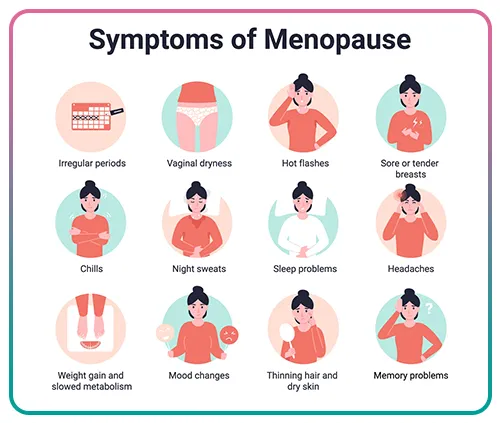
Menopause is a natural phase in a woman’s life that marks the end of her reproductive years. During this time, hormonal changes can lead to a variety of symptoms, including hot flashes, mood swings, and changes in bone density. In fact, menopause is a critical period for bone health, as the loss of estrogen can accelerate bone loss and increase the risk of osteoporosis.
Osteoporosis is a condition that weakens bones, making them more susceptible to fractures and breaks. It is estimated that 1 in 3 women over the age of 50 will experience a fracture due to osteoporosis. Therefore, it is essential for women going through menopause to take proactive steps to maintain strong bones and prevent osteoporosis.
In this article, we will discuss tips and strategies for maintaining strong bones during menopause, as well as answer some frequently asked questions about bone health and menopause.
1. Eat a Balanced Diet
A healthy diet is essential for maintaining strong bones during menopause. Make sure to include foods that are rich in calcium and vitamin D, as these nutrients are crucial for bone health. Good sources of calcium include dairy products, leafy green vegetables, and fortified foods. Vitamin D can be found in fatty fish, egg yolks, and fortified foods.
In addition to calcium and vitamin D, it is important to consume an overall balanced diet that includes a variety of nutrients. Make sure to eat plenty of fruits, vegetables, whole grains, and lean proteins to support overall health and bone strength.
2. Get Regular Exercise
Regular exercise is also important for maintaining strong bones during menopause. Weight-bearing exercises, such as walking, jogging, dancing, and strength training, can help to strengthen bones and reduce the risk of fractures. Aim for at least 30 minutes of moderate-intensity exercise most days of the week.
In addition to weight-bearing exercises, it is also important to include activities that improve balance and flexibility, such as yoga or tai chi. These types of exercises can help to prevent falls and reduce the risk of fractures.
3. Quit Smoking and Limit Alcohol
Smoking and excessive alcohol consumption can have a negative impact on bone health. Smoking can decrease bone density and increase the risk of fractures, while heavy alcohol consumption can interfere with the body’s ability to absorb calcium and other nutrients.
If you smoke, consider quitting, and if you drink alcohol, do so in moderation. Limiting alcohol intake to no more than one drink per day for women can help to protect bone health during menopause.
4. Take Supplements if Needed
In some cases, it may be necessary to take supplements to ensure adequate intake of calcium and vitamin D. Talk to your healthcare provider about whether you should be taking a supplement, and if so, what dose is appropriate for you.
It is important to note that supplements should not be used as a substitute for a healthy diet. They should be used to fill in any gaps in your nutrition and should be taken in conjunction with a balanced diet.
5. Get Regular Bone Density Screenings
Bone density screenings can help to assess your risk of osteoporosis and fractures. Women over the age of 65 should get a bone density test, and women under 65 who have risk factors for osteoporosis should also consider getting screened.
If you are at high risk for osteoporosis, your healthcare provider may recommend medications to help prevent bone loss. These medications can help to increase bone density and reduce the risk of fractures.
Frequently Asked Questions
Q: What is osteoporosis?
A: Osteoporosis is a condition that weakens bones, making them more susceptible to fractures and breaks. It is often called a “silent disease” because there are usually no symptoms until a fracture occurs. Osteoporosis is more common in women, particularly after menopause, due to the loss of estrogen.
Q: How does menopause affect bone health?
A: During menopause, the decline in estrogen levels can accelerate bone loss and increase the risk of osteoporosis. Estrogen plays a key role in maintaining bone density, so the loss of estrogen during menopause can lead to decreased bone mass and increased risk of fractures.
Q: What are some risk factors for osteoporosis?
A: Some common risk factors for osteoporosis include:
– Age: The risk of osteoporosis increases with age.
– Gender: Women are more likely than men to develop osteoporosis.
– Family history: If you have a family history of osteoporosis, you may be at higher risk.
– Low body weight: People with a lower body weight have a higher risk of osteoporosis.
– Smoking: Smoking can decrease bone density and increase the risk of fractures.
– Lack of exercise: Not getting enough exercise can weaken bones and increase the risk of osteoporosis.
Q: How can I prevent osteoporosis during menopause?
A: To prevent osteoporosis during menopause, it is important to eat a balanced diet rich in calcium and vitamin D, get regular exercise, quit smoking, limit alcohol consumption, take supplements if needed, and get regular bone density screenings. These strategies can help to maintain strong bones and reduce the risk of fractures.
Conclusion
Maintaining strong bones during menopause is essential for preventing osteoporosis and reducing the risk of fractures. By following a healthy diet, getting regular exercise, quitting smoking, limiting alcohol, taking supplements if needed, and getting regular bone density screenings, women can support their bone health during this critical time.
If you have any concerns about your bone health during menopause, talk to your healthcare provider. They can help to assess your risk of osteoporosis and provide personalized recommendations for maintaining strong bones.
Remember, it is never too late to start taking care of your bone health. By making simple lifestyle changes and seeking appropriate medical guidance, you can protect your bones and enjoy a healthy, active lifestyle during and after menopause.