Menopause and perimenopause are two stages in a woman’s life that are often misunderstood and confused. While they are both related to the end of a woman’s reproductive years, they are distinct stages with different symptoms and characteristics. Understanding the difference between menopause and perimenopause is important for women to navigate this transition in their lives with knowledge and confidence.
In this article, we will explore the differences between menopause and perimenopause, including their symptoms, causes, and treatments. We will also address common questions and concerns that women may have about these stages of life. By the end of this article, readers will have a better understanding of what to expect during menopause and perimenopause, and how to manage the changes that come with these stages.
What is Perimenopause?
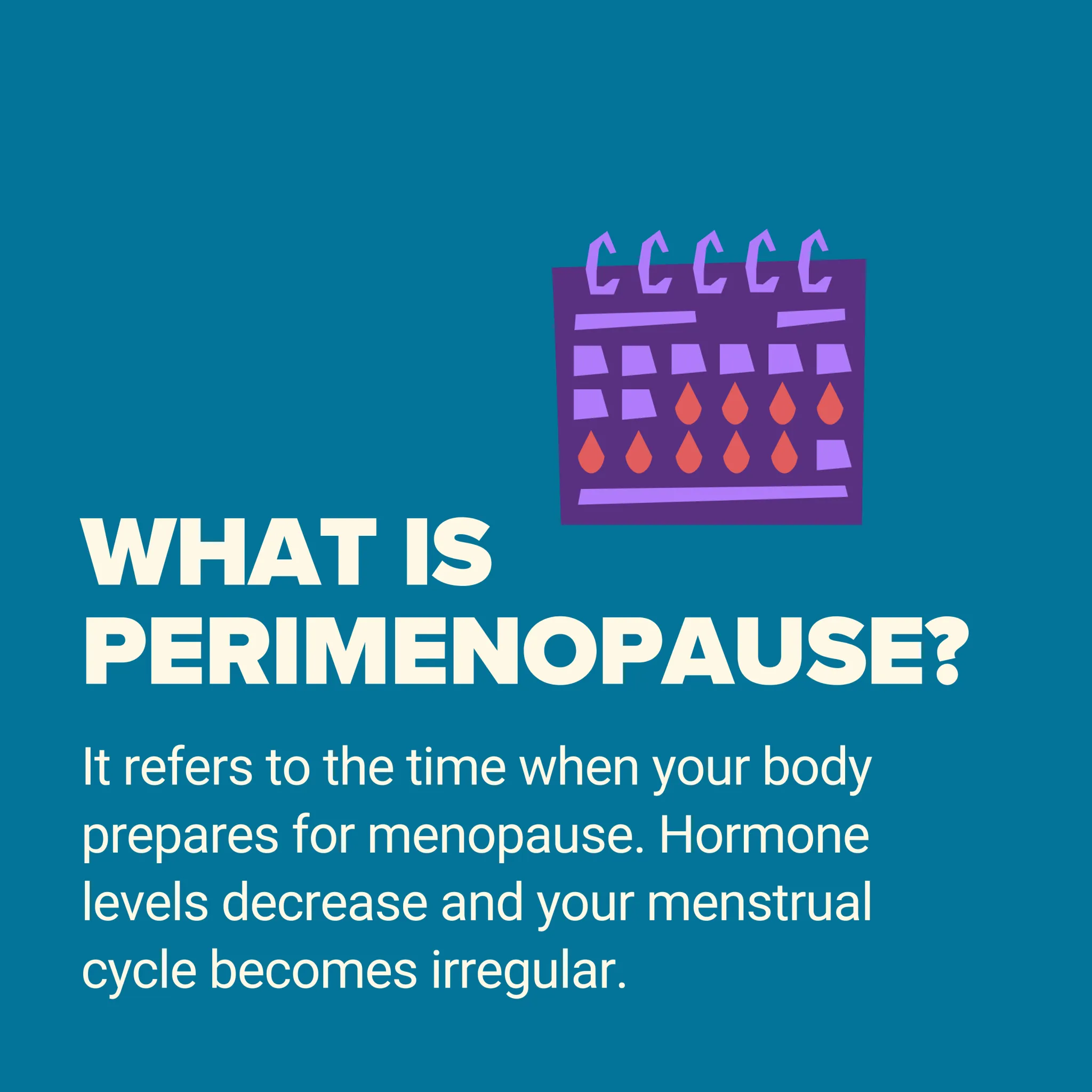
Perimenopause is the stage leading up to menopause, which is the point in a woman’s life when she stops menstruating permanently. Perimenopause typically begins in a woman’s 40s, but can start as early as her 30s. During perimenopause, a woman’s estrogen levels begin to fluctuate, leading to irregular menstrual cycles and a variety of symptoms such as hot flashes, night sweats, mood swings, and sleep disturbances.
Perimenopause can last for several years, with the average duration being around four years. Some women may experience perimenopausal symptoms for a shorter period of time, while others may have symptoms for a longer period. It is important to note that perimenopause is a natural part of the aging process and is not a medical condition that requires treatment.
What is Menopause?
Menopause is the point in a woman’s life when she has not had a menstrual period for 12 consecutive months. Menopause typically occurs in a woman’s late 40s to early 50s, but can happen earlier or later for some women. Once a woman reaches menopause, her ovaries stop producing eggs and her estrogen levels decline significantly. This decline in estrogen can cause a variety of symptoms such as hot flashes, night sweats, vaginal dryness, and mood changes.
Menopause is a natural biological process that marks the end of a woman’s reproductive years. While menopause is a normal part of aging, it can be a challenging time for many women as they navigate the physical and emotional changes that come with this stage of life. It is important for women to seek support and guidance from healthcare providers and loved ones during this transition.
How to Tell the Difference Between Menopause and Perimenopause
While perimenopause and menopause are related stages in a woman’s life, there are key differences between the two that can help differentiate them. Here are some ways to tell the difference between perimenopause and menopause:
1. Menstrual Cycles: In perimenopause, women may experience irregular menstrual cycles, with periods becoming shorter, longer, lighter, or heavier than usual. Some women may skip periods altogether. In menopause, women have not had a menstrual period for 12 consecutive months.
2. Symptoms: Perimenopause is characterized by symptoms such as hot flashes, night sweats, mood swings, and sleep disturbances. These symptoms can vary in intensity and duration. In menopause, women may continue to experience these symptoms, but they may become less frequent and intense over time.
3. Hormone Levels: In perimenopause, estrogen levels fluctuate, leading to changes in menstrual cycles and symptoms. In menopause, estrogen levels decline significantly, leading to the end of menstrual periods and the onset of menopausal symptoms.
4. Age: Perimenopause typically begins in a woman’s 40s, but can start earlier or later for some women. Menopause typically occurs in a woman’s late 40s to early 50s, but can happen earlier or later for some women.
5. Duration: Perimenopause can last for several years, with the average duration being around four years. Menopause is considered to have occurred when a woman has not had a menstrual period for 12 consecutive months.
Treatment Options for Menopause and Perimenopause
While menopause and perimenopause are natural processes that do not require medical treatment, there are options available to help manage symptoms and improve quality of life during this transition. Here are some treatment options for menopause and perimenopause:
1. Hormone Replacement Therapy (HRT): HRT is a treatment that involves taking estrogen and, in some cases, progesterone to replace the hormones that the body is no longer producing. HRT can help relieve symptoms such as hot flashes, night sweats, and vaginal dryness. However, HRT is not suitable for all women and may have risks and side effects.
2. Lifestyle Changes: Making healthy lifestyle choices can help alleviate symptoms of menopause and perimenopause. Eating a balanced diet, exercising regularly, getting enough sleep, and managing stress can all help improve symptoms and overall well-being during this transition.
3. Alternative Therapies: Some women may find relief from menopausal symptoms through alternative therapies such as acupuncture, yoga, and herbal supplements. It is important to consult with a healthcare provider before trying alternative therapies to ensure they are safe and effective.
4. Medications: In some cases, healthcare providers may prescribe medications to help manage symptoms of menopause and perimenopause. These medications may include antidepressants, blood pressure medications, or medications to treat osteoporosis.
5. Support Groups: Connecting with other women who are going through menopause or perimenopause can provide valuable support and guidance during this transition. Support groups can offer a safe space to share experiences, ask questions, and receive emotional support.
FAQs About Menopause and Perimenopause
1. What are the typical age ranges for perimenopause and menopause?
Perimenopause typically begins in a woman’s 40s, but can start earlier or later for some women. Menopause typically occurs in a woman’s late 40s to early 50s, but can happen earlier or later for some women.
2. What are the most common symptoms of perimenopause and menopause?
Common symptoms of perimenopause and menopause include hot flashes, night sweats, mood swings, sleep disturbances, vaginal dryness, and changes in menstrual cycles.
3. How long does perimenopause last?
Perimenopause can last for several years, with the average duration being around four years. Some women may experience perimenopausal symptoms for a shorter period of time, while others may have symptoms for a longer period.
4. Are there any natural remedies for managing symptoms of perimenopause and menopause?
Some women may find relief from symptoms of perimenopause and menopause through natural remedies such as herbal supplements, acupuncture, and yoga. It is important to consult with a healthcare provider before trying natural remedies to ensure they are safe and effective.
5. What are the risks and benefits of hormone replacement therapy (HRT)?
HRT can help relieve symptoms of menopause and perimenopause, but it may have risks and side effects. These risks include an increased risk of blood clots, stroke, and breast cancer. It is important to discuss the risks and benefits of HRT with a healthcare provider before starting treatment.
In conclusion, menopause and perimenopause are natural stages in a woman’s life that mark the end of her reproductive years. While these stages can be challenging for many women, understanding the differences between menopause and perimenopause and seeking support and guidance can help women navigate this transition with knowledge and confidence. By making healthy lifestyle choices, exploring treatment options, and connecting with others who are going through similar experiences, women can manage symptoms and improve quality of life during menopause and perimenopause.