
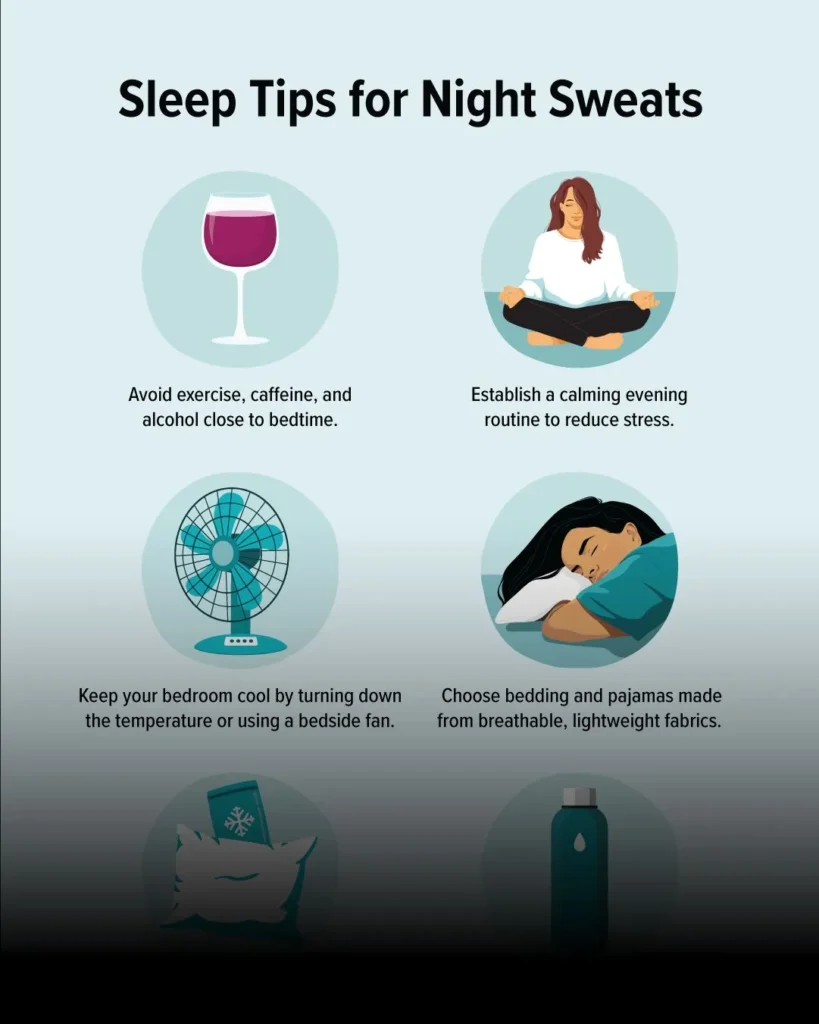
Night sweats can be a frustrating and uncomfortable experience that can disrupt your sleep and leave you feeling tired and overheated. While there are many potential causes for night sweats, including medical conditions like menopause, hyperthyroidism, and infections, there are also natural ways to combat night sweats and improve your sleep quality.
In this article, we will explore some of the natural remedies and lifestyle changes that can help reduce night sweats and promote better sleep. We will also address some frequently asked questions about night sweats and offer tips for managing this common issue.
Understanding Night Sweats
Night sweats are episodes of excessive sweating that occur during sleep. While it is normal to sweat during sleep, especially in warmer environments, night sweats are characterized by excessive sweating that is not related to the ambient temperature. These episodes can be disruptive and uncomfortable, leading to poor sleep quality and daytime fatigue.
There are many potential causes for night sweats, including hormonal imbalances, medications, infections, and underlying medical conditions. Menopause is a common cause of night sweats in women, as hormonal fluctuations can lead to hot flashes and sweating during the night. Hyperthyroidism, infections like tuberculosis or HIV, and certain medications, such as antidepressants and steroids, can also trigger night sweats.
In some cases, night sweats may be a symptom of a more serious underlying medical condition, such as cancer or autoimmune disorders. It is important to talk to your healthcare provider if you are experiencing frequent or severe night sweats, as they can help determine the underlying cause and recommend appropriate treatment.
Natural Ways to Combat Night Sweats and Sleep Better
While there are medical treatments available for night sweats, such as hormone therapy or medications, many people prefer to explore natural remedies and lifestyle changes to manage their symptoms. Here are some natural ways to combat night sweats and improve your sleep quality:
1. Maintain a Cool Sleeping Environment: Keeping your bedroom cool and well-ventilated can help reduce the likelihood of night sweats. Use a fan or air conditioning to lower the temperature in your room, and consider using moisture-wicking sheets and pajamas to help regulate your body temperature.
2. Stay Hydrated: Dehydration can exacerbate night sweats, so it is important to drink plenty of water throughout the day. Avoid caffeine and alcohol, as these substances can dehydrate your body and contribute to night sweats.
3. Practice Relaxation Techniques: Stress and anxiety can trigger night sweats, so practicing relaxation techniques like deep breathing, meditation, or yoga can help reduce your overall stress levels and improve your sleep quality.
4. Avoid Trigger Foods: Certain foods and beverages, such as spicy foods, caffeine, and alcohol, can trigger night sweats in some people. Pay attention to your diet and avoid consuming these trigger foods close to bedtime.
5. Exercise Regularly: Regular exercise can help regulate your body temperature and improve your overall sleep quality. Aim for at least 30 minutes of moderate exercise most days of the week to help reduce night sweats and promote better sleep.
6. Use Natural Remedies: Some people find relief from night sweats by using natural remedies like black cohosh, sage, or evening primrose oil. These herbal supplements may help regulate hormonal imbalances and reduce the frequency and severity of night sweats.
7. Try Acupuncture or Acupressure: Acupuncture and acupressure are traditional Chinese medicine techniques that can help balance your body’s energy and improve your overall health. Some people find relief from night sweats by incorporating these practices into their wellness routine.
8. Practice Good Sleep Hygiene: Establishing a consistent sleep routine and creating a relaxing bedtime routine can help improve your sleep quality and reduce night sweats. Avoid screens and stimulating activities close to bedtime, and create a calm and comfortable sleep environment.
Frequently Asked Questions About Night Sweats
Q: Are night sweats a sign of a serious medical condition?
A: While night sweats can be a symptom of underlying medical conditions, they are often benign and can be managed with lifestyle changes and natural remedies. However, if you are experiencing frequent or severe night sweats, it is important to talk to your healthcare provider to rule out any serious underlying causes.
Q: Can menopause cause night sweats?
A: Yes, menopause is a common cause of night sweats in women. Hormonal fluctuations during menopause can lead to hot flashes and sweating during the night. Hormone therapy or other treatments may help manage these symptoms and improve sleep quality.
Q: Can medications cause night sweats?
A: Yes, certain medications like antidepressants, steroids, and hormone therapies can trigger night sweats as a side effect. If you suspect that your medications are causing your night sweats, talk to your healthcare provider about alternative treatment options.
Q: Are there any natural remedies for night sweats?
A: Yes, there are several natural remedies that may help reduce night sweats, including maintaining a cool sleeping environment, staying hydrated, practicing relaxation techniques, avoiding trigger foods, and using herbal supplements like black cohosh or sage.
Q: When should I see a healthcare provider about my night sweats?
A: If you are experiencing frequent or severe night sweats, or if your night sweats are accompanied by other symptoms like fever, weight loss, or fatigue, it is important to talk to your healthcare provider. They can help determine the underlying cause of your night sweats and recommend appropriate treatment.
In conclusion, night sweats can be a frustrating and uncomfortable experience that can disrupt your sleep and leave you feeling tired and overheated. While there are many potential causes for night sweats, including hormonal imbalances, medications, and underlying medical conditions, there are also natural ways to combat night sweats and improve your sleep quality. By incorporating lifestyle changes, natural remedies, and relaxation techniques into your daily routine, you can reduce the frequency and severity of night sweats and enjoy a more restful night’s sleep. If you are experiencing frequent or severe night sweats, it is important to talk to your healthcare provider to determine the underlying cause and receive appropriate treatment.