Navigating Menopause with Estrogen Replacement Therapy
Menopause is a natural part of the aging process for women, typically occurring in their late 40s to early 50s. During menopause, the body undergoes significant hormonal changes, leading to a variety of symptoms that can impact a woman’s quality of life. One common treatment option for managing these symptoms is estrogen replacement therapy (ERT). In this article, we will explore the benefits of ERT, how to navigate the process of starting and using ERT, and address frequently asked questions about this treatment option.
What is Estrogen Replacement Therapy?
Estrogen replacement therapy is a treatment option that involves supplementing the body with estrogen hormones that are no longer produced in adequate amounts during menopause. Estrogen is a key hormone that plays a crucial role in regulating various bodily functions, including the menstrual cycle, bone health, and heart health. When estrogen levels decline during menopause, women may experience a range of symptoms such as hot flashes, vaginal dryness, mood swings, and sleep disturbances.
There are two main types of ERT: systemic estrogen therapy and local estrogen therapy. Systemic estrogen therapy involves taking estrogen in the form of pills, patches, or topical gels, which are absorbed into the bloodstream and distributed throughout the body. Local estrogen therapy, on the other hand, involves applying estrogen directly to the affected area, such as the vagina, to alleviate symptoms like vaginal dryness and discomfort during intercourse.
Benefits of Estrogen Replacement Therapy
Estrogen replacement therapy can provide numerous benefits for women experiencing menopausal symptoms. Some of the key benefits of ERT include:
1. Relief from hot flashes and night sweats: Estrogen therapy has been shown to effectively reduce the frequency and severity of hot flashes and night sweats, which are common symptoms of menopause that can disrupt sleep and daily activities.
2. Improvement in vaginal health: Estrogen therapy can help alleviate vaginal dryness, itching, and discomfort, as well as improve vaginal elasticity and lubrication, making sexual intercourse more comfortable.
3. Maintenance of bone health: Estrogen plays a crucial role in maintaining bone density and strength. By supplementing the body with estrogen, women can reduce their risk of developing osteoporosis and fractures associated with bone loss.
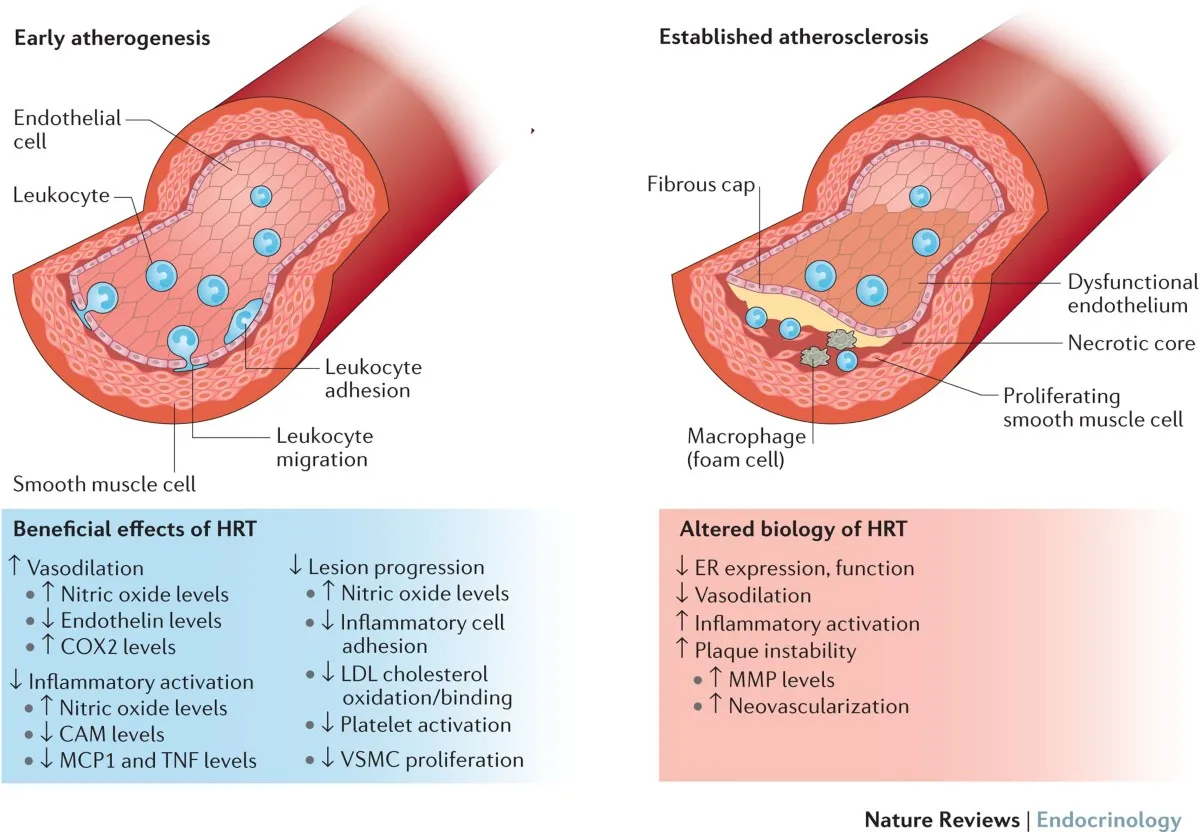
4. Protection against heart disease: Estrogen has been shown to have a protective effect on the cardiovascular system, reducing the risk of heart disease and stroke in women.
5. Improvement in mood and cognitive function: Estrogen therapy can help alleviate mood swings, irritability, and cognitive symptoms such as memory problems and difficulty concentrating.
Navigating Estrogen Replacement Therapy
If you are considering estrogen replacement therapy to manage your menopausal symptoms, it is important to consult with your healthcare provider to determine if this treatment option is right for you. Your healthcare provider will evaluate your medical history, current health status, and individual risk factors to determine the most appropriate form and dosage of estrogen therapy for you.
Before starting ERT, your healthcare provider may recommend undergoing a physical examination, including a pelvic exam and breast exam, as well as blood tests to assess your hormone levels and overall health. It is important to discuss any concerns or questions you may have about ERT with your healthcare provider to ensure that you are well-informed and comfortable with your treatment plan.
Once you have started ERT, it is essential to follow your healthcare provider’s instructions regarding the dosage and schedule of your estrogen therapy. It is also important to attend regular follow-up appointments to monitor your progress and adjust your treatment plan as needed. It is common for women to experience some side effects when starting ERT, such as breast tenderness, bloating, and nausea. These side effects are usually mild and temporary, but if you experience any severe or persistent symptoms, it is important to contact your healthcare provider.
FAQs about Estrogen Replacement Therapy
1. Is estrogen replacement therapy safe for all women?
While estrogen therapy can be beneficial for many women experiencing menopausal symptoms, it is not suitable for everyone. Women with a history of certain medical conditions, such as breast cancer, heart disease, or blood clots, may not be good candidates for ERT. It is important to discuss your medical history and individual risk factors with your healthcare provider before starting estrogen therapy.
2. How long should I take estrogen replacement therapy?
The duration of estrogen therapy can vary depending on your individual needs and health status. Some women may only need to take estrogen for a few years to manage their menopausal symptoms, while others may benefit from long-term treatment to maintain bone health and reduce the risk of chronic conditions like osteoporosis. Your healthcare provider will work with you to determine the most appropriate duration of ERT for your specific situation.
3. Are there any alternatives to estrogen replacement therapy for managing menopausal symptoms?
Yes, there are several non-hormonal treatment options available for managing menopausal symptoms, such as lifestyle modifications, dietary supplements, and non-hormonal medications. These alternatives may be suitable for women who are not able to or prefer not to take estrogen therapy. It is important to discuss these options with your healthcare provider to determine the most appropriate treatment plan for you.
4. Can estrogen replacement therapy increase the risk of certain health conditions?
While estrogen therapy has been shown to provide numerous benefits for women, it is associated with certain risks, such as an increased risk of blood clots, stroke, and breast cancer. Your healthcare provider will assess your individual risk factors and monitor your health closely while you are taking estrogen therapy to minimize these risks. It is essential to attend regular follow-up appointments and report any new or concerning symptoms to your healthcare provider.
In conclusion, navigating menopause with estrogen replacement therapy can help alleviate the bothersome symptoms associated with this life stage and improve your overall quality of life. By working closely with your healthcare provider to determine the most appropriate treatment plan for you, you can effectively manage your menopausal symptoms and maintain your health and well-being during this transition. If you have any questions or concerns about estrogen therapy, do not hesitate to reach out to your healthcare provider for guidance and support.