Navigating the Long-Term Risks of the keto diet: What You Should Know
The ketogenic diet, commonly known as the keto diet, has gained popularity in recent years as a way to lose weight and improve overall health. This high-fat, low-carbohydrate diet has been praised for its ability to help people shed pounds quickly and control blood sugar levels. However, like any diet, the keto diet comes with its own set of risks and potential long-term consequences. In this article, we will explore the potential risks of the keto diet and what you should know before embarking on this dietary journey.
What is the keto diet?
The keto diet is a high-fat, low-carbohydrate diet that aims to put the body into a state of ketosis. Ketosis is a metabolic state in which the body burns fat for fuel instead of carbohydrates. By drastically reducing carbohydrate intake and increasing fat consumption, the body is forced to use stored fat for energy, leading to weight loss.
The typical macronutrient breakdown of the keto diet is 70-75% fat, 20-25% protein, and 5-10% carbohydrates. Foods that are commonly eaten on the keto diet include meat, fish, eggs, dairy, nuts, seeds, and low-carb vegetables. Foods that are restricted on the keto diet include grains, sugar, fruit, and starchy vegetables.
Short-Term Benefits of the keto diet
There are several short-term benefits of the keto diet that have been widely reported by those who follow it. Some of these benefits include:
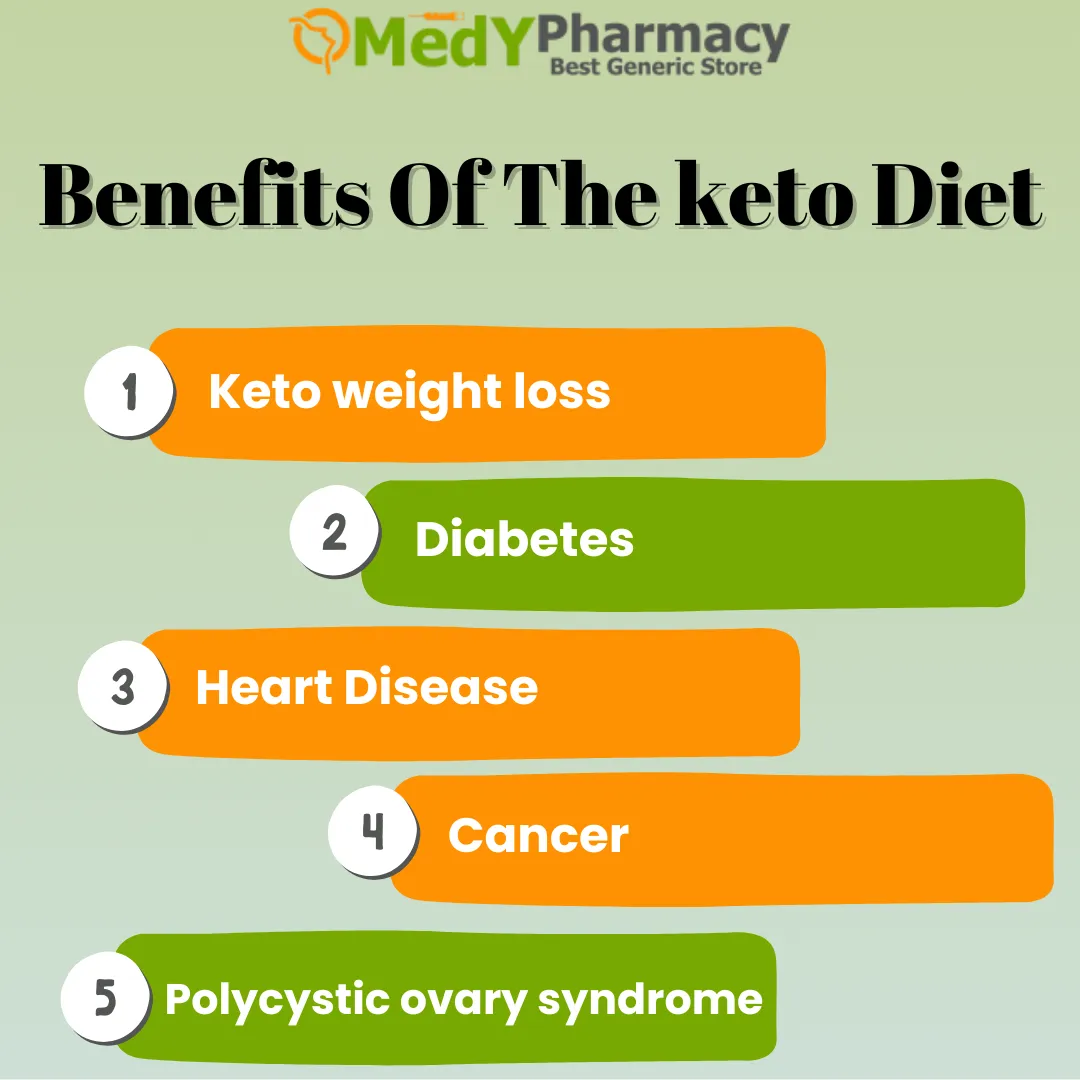
1. Weight Loss: One of the primary reasons people choose the keto diet is for its ability to promote rapid weight loss. By restricting carbohydrates and increasing fat intake, the body is forced to burn stored fat for energy, leading to weight loss.
2. Improved Blood Sugar Control: The keto diet has been shown to help improve blood sugar levels in people with diabetes. By reducing carbohydrate intake, the body produces less insulin, which can help stabilize blood sugar levels.
3. Increased Energy Levels: Many people report feeling more energized and focused while on the keto diet. This is likely due to the stable blood sugar levels and steady supply of energy from fat.
4. Reduced Inflammation: The keto diet has been shown to reduce inflammation in the body, which can help improve overall health and reduce the risk of chronic diseases.
Long-Term Risks of the keto diet
While the keto diet has many short-term benefits, there are also potential long-term risks that should be considered before starting this diet. Some of the risks associated with the keto diet include:
1. Nutrient Deficiencies: Because the keto diet restricts many high-carbohydrate foods, it can be difficult to get an adequate intake of essential nutrients such as fiber, vitamins, and minerals. This can lead to nutrient deficiencies over time, which can have negative effects on overall health.
2. Increased Risk of Heart Disease: The keto diet is high in saturated fat, which has been associated with an increased risk of heart disease. While some studies have shown that the keto diet can improve cholesterol levels in the short term, the long-term effects on heart health are still unknown.
3. Kidney Damage: The high protein intake on the keto diet can put additional stress on the kidneys, leading to potential kidney damage over time. People with pre-existing kidney conditions should be especially cautious when following the keto diet.
4. Disordered Eating Patterns: The restrictive nature of the keto diet can lead to disordered eating patterns and an unhealthy relationship with food. Some people may develop an obsession with counting macros and calories, which can lead to mental health issues.
5. Increased Risk of Bone Loss: The keto diet has been shown to increase the risk of bone loss and osteoporosis, especially in women. This is likely due to the low intake of calcium-rich foods on the keto diet.
Navigating the Risks of the keto diet
While the keto diet can be an effective way to lose weight and improve certain health markers in the short term, it is important to be aware of the potential risks and long-term consequences of this diet. To minimize the risks of the keto diet, consider the following tips:
1. Focus on Quality Fats: Instead of loading up on processed and saturated fats, focus on incorporating healthy fats such as avocados, nuts, seeds, and olive oil into your diet. These fats are rich in nutrients and can help support overall health.
2. Monitor Your Nutrient Intake: Keep track of your nutrient intake and consider taking a multivitamin or mineral supplement to ensure you are getting all the essential nutrients your body needs.
3. Stay Hydrated: The keto diet can lead to dehydration, so make sure you are drinking plenty of water throughout the day to stay hydrated.
4. Listen to Your Body: Pay attention to how your body responds to the keto diet and make adjustments as needed. If you are experiencing negative side effects or symptoms, it may be time to reevaluate your diet.
5. Consider Cycling: Instead of following the keto diet long-term, consider cycling in and out of ketosis to minimize the potential risks associated with this diet. This can help prevent nutrient deficiencies and support long-term health.
FAQs
Q: Is the keto diet safe for everyone?
A: The keto diet may not be safe for everyone, especially those with certain medical conditions such as kidney disease or pancreatitis. It is important to consult with a healthcare provider before starting the keto diet to ensure it is safe for you.
Q: Can I do the keto diet long-term?
A: While some people may choose to follow the keto diet long-term, it is important to be aware of the potential risks and consequences of this diet. Consider cycling in and out of ketosis to minimize the risks associated with the keto diet.
Q: What are some potential side effects of the keto diet?
A: Some potential side effects of the keto diet include fatigue, constipation, bad breath, and nutrient deficiencies. These side effects can vary from person to person and may improve over time as the body adjusts to ketosis.
Q: How can I minimize the risks of the keto diet?
A: To minimize the risks of the keto diet, focus on incorporating healthy fats, monitoring your nutrient intake, staying hydrated, listening to your body, and considering cycling in and out of ketosis.
In conclusion, the keto diet can be an effective way to lose weight and improve certain health markers in the short term. However, it is important to be aware of the potential risks and long-term consequences of this diet. By understanding the risks associated with the keto diet and taking steps to minimize them, you can navigate this dietary journey with confidence and make informed decisions about your health and well-being.