Menopause is a natural biological process that marks the end of a woman’s reproductive years. It typically occurs in women between the ages of 45 and 55, but can also happen earlier or later. During menopause, the body undergoes hormonal changes that can lead to a variety of symptoms, including hot flashes, night sweats, mood swings, and sleep disturbances. For many women, these symptoms can be uncomfortable and disruptive to daily life.
In recent years, there has been a growing interest in finding new treatments for menopause symptoms that are safe and effective. Clinical studies have played a crucial role in advancing our understanding of menopause and identifying potential new therapies. In this article, we will explore some of the latest research on menopause symptoms and the new hope that these studies offer for women experiencing menopause.
Understanding Menopause Symptoms
Menopause is defined as the cessation of menstruation for 12 consecutive months. It is a natural part of the aging process and is caused by a decline in the production of estrogen and progesterone, two hormones that play a key role in regulating the menstrual cycle. As these hormone levels decrease, women may experience a range of symptoms that can vary in severity and duration.
Some of the most common symptoms of menopause include:
Hot flashes: A sudden feeling of warmth or heat that spreads throughout the body, often accompanied by flushing and sweating.
Night sweats: Episodes of excessive sweating during the night that can disrupt sleep and lead to fatigue.
Mood swings: Changes in mood, such as irritability, anxiety, or depression, that can be triggered by hormonal fluctuations.
Sleep disturbances: Difficulty falling asleep or staying asleep, which can lead to fatigue and impaired cognitive function.
Vaginal dryness: Reduced lubrication in the vaginal area, which can cause discomfort during sexual intercourse.
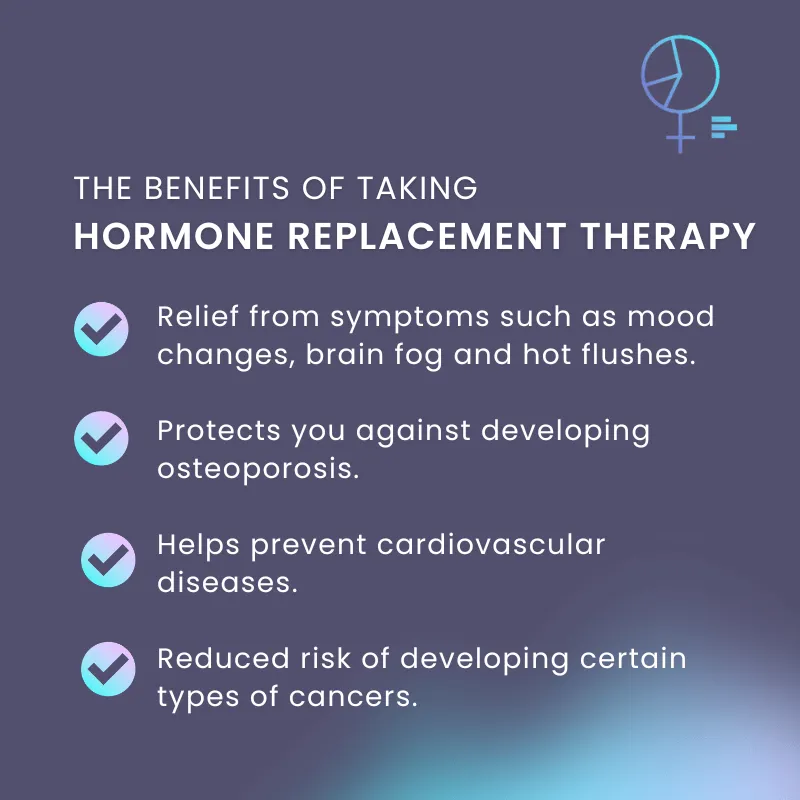
These symptoms can have a significant impact on a woman’s quality of life and may require treatment to alleviate discomfort and improve well-being. While hormone replacement therapy (HRT) has traditionally been used to manage menopause symptoms, recent studies have raised concerns about its long-term safety and effectiveness. As a result, researchers have been exploring alternative treatments that may offer similar benefits with fewer risks.
New Hope for Menopause Symptoms
One of the most promising new treatments for menopause symptoms is selective estrogen receptor modulators (SERMs). These drugs work by selectively targeting estrogen receptors in the body, which can help to alleviate symptoms without increasing the risk of certain cancers or other health issues associated with traditional HRT.
Clinical studies have shown that SERMs can be effective in reducing hot flashes, night sweats, and other menopause symptoms. For example, a recent study published in the Journal of Clinical Endocrinology and Metabolism found that women who took a SERM called bazedoxifene experienced a significant reduction in hot flashes and night sweats compared to those who took a placebo. The researchers also noted that bazedoxifene was well-tolerated and did not increase the risk of endometrial hyperplasia, a condition that can lead to uterine cancer.
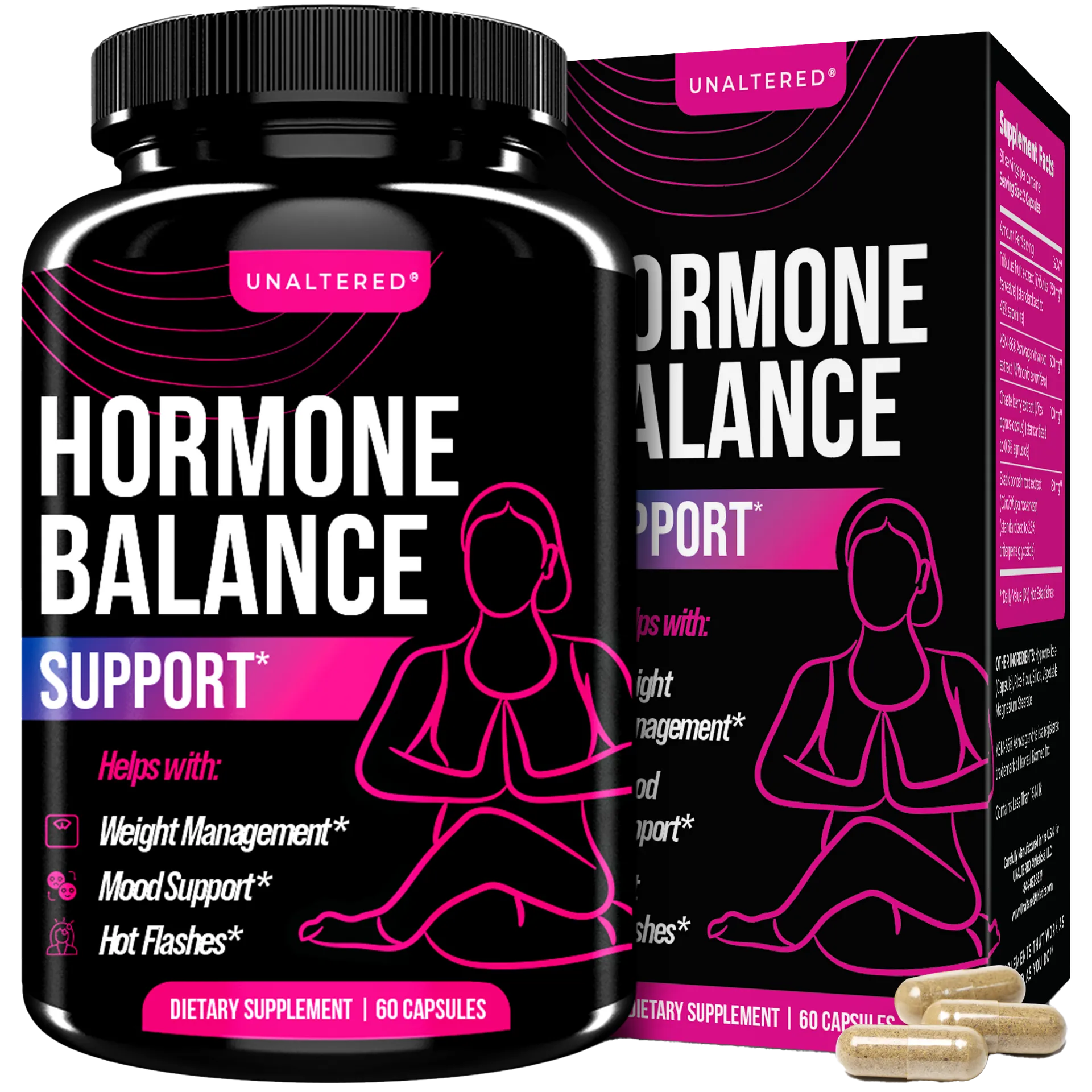
In addition to SERMs, other new treatments for menopause symptoms are also being explored in clinical trials. For example, some researchers are investigating the use of botanical supplements, such as black cohosh and red clover, which have been used for centuries in traditional medicine to alleviate menopause symptoms. While more research is needed to confirm their effectiveness, early studies have shown promising results.
Another area of research that is gaining attention is the role of lifestyle factors in managing menopause symptoms. Studies have shown that regular exercise, a healthy diet, and stress management techniques can help to reduce the severity of hot flashes, improve sleep quality, and enhance overall well-being during menopause. By making simple changes to their lifestyle, women may be able to alleviate symptoms and improve their quality of life without the need for medication.
FAQs about Menopause Symptoms
1. What are the most common menopause symptoms?
The most common menopause symptoms include hot flashes, night sweats, mood swings, sleep disturbances, and vaginal dryness. These symptoms can vary in severity and duration from woman to woman.
2. How long do menopause symptoms typically last?
Menopause symptoms can last for several years, with most women experiencing symptoms for an average of four to five years. However, some women may continue to experience symptoms for a longer period of time.
3. What are the treatment options for menopause symptoms?
Treatment options for menopause symptoms include hormone replacement therapy (HRT), selective estrogen receptor modulators (SERMs), botanical supplements, and lifestyle changes. It is important to discuss treatment options with a healthcare provider to determine the best approach for your individual needs.
4. Are there any natural remedies for menopause symptoms?
Some women find relief from menopause symptoms by using natural remedies such as black cohosh, red clover, and soy products. However, it is important to consult with a healthcare provider before using any natural remedies to ensure their safety and effectiveness.
5. Can menopause symptoms be prevented?
While menopause is a natural process that cannot be prevented, women can take steps to alleviate symptoms and improve their quality of life during this transition. Adopting a healthy lifestyle, including regular exercise, a balanced diet, and stress management techniques, can help to reduce the severity of menopause symptoms and promote overall well-being.
In conclusion, menopause is a natural phase of life that can be accompanied by a variety of symptoms that can impact a woman’s quality of life. However, there is new hope for managing menopause symptoms through innovative treatments such as SERMs, botanical supplements, and lifestyle changes. By staying informed about the latest research and discussing treatment options with a healthcare provider, women can find relief from menopause symptoms and embrace this new chapter of their lives with confidence and vitality.