
Reignite the Flame: How to Enhance Libido During Menopause
Menopause is a natural part of a woman’s life cycle, marking the end of her reproductive years. It typically occurs in a woman’s late 40s to early 50s and is characterized by a decrease in estrogen levels, which can lead to a variety of symptoms including hot flashes, night sweats, mood swings, and decreased libido.
One of the most common complaints among women going through menopause is a decrease in sexual desire and arousal. This can be distressing for both the woman experiencing it and her partner, as it can lead to feelings of inadequacy, frustration, and a strain on the relationship.
However, it’s important to remember that a decrease in libido during menopause is a normal and common occurrence, and there are steps that can be taken to enhance and reignite the flame of desire. In this article, we will explore the causes of decreased libido during menopause, as well as various strategies and treatments that can help enhance sexual desire and arousal during this stage of life.
Causes of Decreased Libido During Menopause
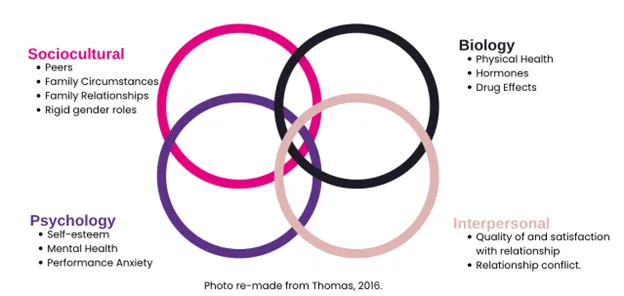
There are several factors that can contribute to a decrease in libido during menopause. The most common cause is the decrease in estrogen levels that occurs during this time. Estrogen is a hormone that plays a key role in maintaining sexual desire and arousal, so when levels drop, it can lead to a decrease in libido.
Other factors that can contribute to decreased libido during menopause include:
1. Physical changes: Menopause can bring about physical changes that can affect a woman’s self-esteem and body image, such as weight gain, changes in skin and hair, and vaginal dryness.
2. Hormonal imbalances: In addition to decreased estrogen levels, fluctuations in other hormones such as testosterone and progesterone can also impact libido.
3. Emotional factors: Menopause can be a challenging time emotionally, as women may be dealing with feelings of loss, grief, anxiety, and depression. These emotional factors can also affect libido.
4. Relationship issues: Menopause can put a strain on relationships, as partners may struggle to communicate effectively about changes in libido and sexual desire. This can lead to feelings of frustration, resentment, and disconnection.
Strategies to Enhance Libido During Menopause
While a decrease in libido during menopause can be distressing, there are steps that can be taken to enhance sexual desire and arousal during this stage of life. Here are some strategies that may help:
1. Communicate with your partner: Open and honest communication with your partner is essential when it comes to addressing changes in libido. Talk about your feelings, desires, and concerns, and work together to find ways to enhance your intimacy and connection.
2. Prioritize self-care: Taking care of yourself physically, emotionally, and mentally is crucial for enhancing libido during menopause. This can include getting regular exercise, eating a healthy diet, getting enough sleep, and managing stress through relaxation techniques such as meditation and yoga.
3. Address physical changes: Menopause can bring about physical changes that can impact libido, such as vaginal dryness. Talk to your healthcare provider about treatment options for these symptoms, such as hormone therapy, lubricants, and moisturizers.
4. Explore alternative therapies: Some women find relief from menopausal symptoms and an increase in libido through alternative therapies such as acupuncture, herbal supplements, and massage therapy. Talk to your healthcare provider about these options and see if they may be right for you.
5. Try new sexual experiences: Menopause can be a time of exploration and discovery when it comes to sex and intimacy. Try new sexual experiences, positions, and activities with your partner to reignite the flame of desire and enhance your connection.
6. Seek counseling: If changes in libido during menopause are causing distress or strain on your relationship, consider seeking counseling from a therapist who specializes in sexual health. Therapy can help you address underlying issues and develop strategies for enhancing intimacy and communication.
7. Consider hormone therapy: For some women, hormone therapy may be a helpful option for enhancing libido during menopause. Talk to your healthcare provider about the risks and benefits of hormone therapy and whether it may be a suitable option for you.
FAQs
Q: Is a decrease in libido during menopause normal?
A: Yes, a decrease in libido during menopause is a normal and common occurrence. Changes in hormone levels, physical changes, emotional factors, and relationship issues can all contribute to a decrease in sexual desire and arousal during this stage of life.
Q: What can I do to enhance libido during menopause?
A: There are several strategies that can help enhance libido during menopause, including communicating with your partner, prioritizing self-care, addressing physical changes, exploring alternative therapies, trying new sexual experiences, seeking counseling, and considering hormone therapy.
Q: Can hormone therapy help enhance libido during menopause?
A: Hormone therapy may be a helpful option for enhancing libido during menopause for some women. Talk to your healthcare provider about the risks and benefits of hormone therapy and whether it may be a suitable option for you.
Q: How can I address physical changes that are impacting libido during menopause?
A: Talk to your healthcare provider about treatment options for physical changes that are impacting libido during menopause, such as vaginal dryness. Options may include hormone therapy, lubricants, and moisturizers.
Q: What should I do if changes in libido during menopause are causing distress or strain on my relationship?
A: If changes in libido during menopause are causing distress or strain on your relationship, consider seeking counseling from a therapist who specializes in sexual health. Therapy can help you address underlying issues and develop strategies for enhancing intimacy and communication.
In conclusion, a decrease in libido during menopause is a normal and common occurrence, but it doesn’t have to mean the end of a satisfying sex life. By communicating with your partner, prioritizing self-care, addressing physical changes, exploring alternative therapies, trying new sexual experiences, seeking counseling, and considering hormone therapy, you can enhance libido and reignite the flame of desire during this stage of life. Remember, menopause is a time of transformation and discovery, and with the right support and strategies, you can navigate this transition with grace and confidence.