Say Goodbye to Night Sweats: The Best Natural Treatments
Night sweats, also known as nocturnal hyperhidrosis, can be a frustrating and uncomfortable experience for many people. Whether it’s due to hormonal changes, medication side effects, or underlying health conditions, night sweats can disrupt your sleep and leave you feeling drained and irritable the next day. While there are medications and other treatments available to help manage night sweats, many people prefer to explore natural remedies to alleviate their symptoms. In this article, we will discuss some of the best natural treatments for night sweats and how they can help you find relief.
1. Stay Cool
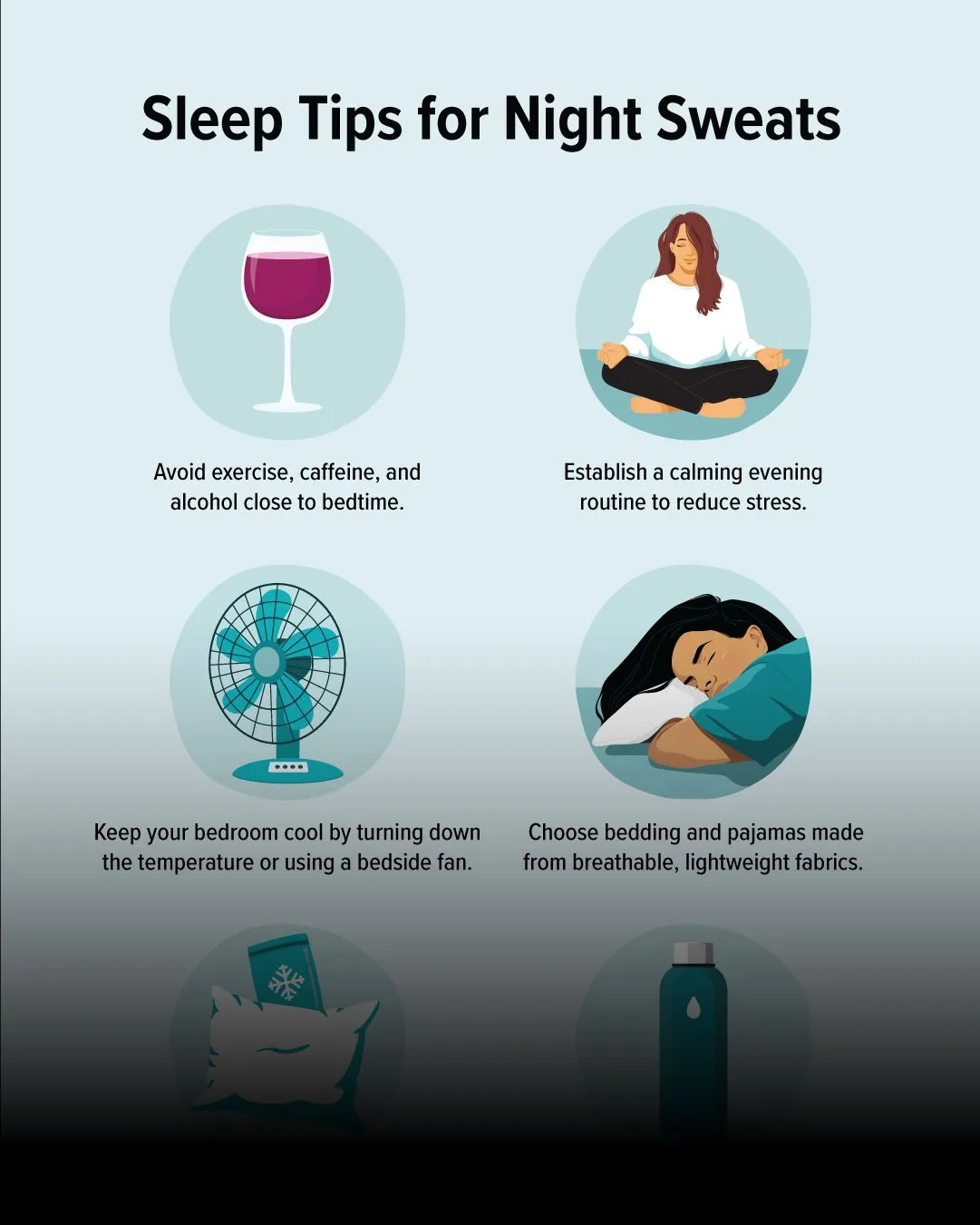
One of the most effective ways to reduce night sweats is to keep your bedroom cool and well-ventilated. Use lightweight, breathable bedding and consider using a fan or air conditioning to help regulate your body temperature. Avoid heavy blankets and pajamas, which can trap heat and make you sweat more. You can also try using moisture-wicking sheets and pillowcases to help absorb excess sweat and keep you dry throughout the night.
2. Stay Hydrated
Dehydration can exacerbate night sweats, so it’s important to drink plenty of water throughout the day. Aim to drink at least eight glasses of water a day, and avoid caffeine and alcohol, which can dehydrate your body and make you sweat more. You can also try drinking herbal teas like chamomile or peppermint, which have cooling properties and can help regulate your body temperature.
3. Practice Relaxation Techniques
Stress and anxiety can trigger night sweats, so it’s important to find ways to relax and unwind before bed. Practice deep breathing exercises, meditation, or yoga to help calm your mind and body. You can also try taking a warm bath with Epsom salts or essential oils like lavender, which can help soothe your muscles and promote relaxation.
4. Eat a Balanced Diet
Certain foods and beverages can trigger night sweats, so it’s important to pay attention to your diet and make healthy choices. Avoid spicy foods, caffeine, and alcohol, which can increase your body temperature and make you sweat more. Instead, focus on eating a balanced diet rich in fruits, vegetables, whole grains, and lean proteins. You can also try incorporating cooling foods like cucumber, watermelon, and mint into your meals to help reduce night sweats.
5. Exercise Regularly
Regular exercise can help regulate your body temperature and reduce night sweats. Aim to get at least 30 minutes of moderate exercise most days of the week, such as walking, biking, or swimming. Avoid exercising close to bedtime, as this can raise your body temperature and make you more likely to sweat during the night. You can also try incorporating relaxation exercises like tai chi or qigong into your routine, which can help calm your mind and body.
6. Try Natural Supplements
There are a number of natural supplements that can help reduce night sweats, including black cohosh, dong quai, and red clover. These herbs have estrogen-like properties that can help balance hormonal fluctuations and reduce sweating. You can also try taking vitamin E, which has antioxidant properties and can help regulate your body temperature. Be sure to talk to your healthcare provider before starting any new supplements, especially if you are taking medications or have underlying health conditions.
7. Get Plenty of Sleep
Lack of sleep can worsen night sweats, so it’s important to prioritize your sleep hygiene and create a relaxing bedtime routine. Aim to get at least seven to eight hours of quality sleep each night, and avoid caffeine, alcohol, and electronics before bed. Keep your bedroom cool, dark, and quiet, and consider using a white noise machine or earplugs to help block out any disturbances. If you continue to experience night sweats despite trying these natural treatments, be sure to talk to your healthcare provider to rule out any underlying health conditions.
FAQs
1. What causes night sweats?
Night sweats can be caused by a number of factors, including hormonal changes, medication side effects, and underlying health conditions. Hormonal fluctuations, such as those experienced during menopause or perimenopause, can trigger night sweats as the body adjusts to changing estrogen levels. Certain medications, such as antidepressants, steroids, and pain relievers, can also cause night sweats as a side effect. Underlying health conditions like thyroid disorders, infections, and cancer can also lead to night sweats, so it’s important to talk to your healthcare provider if you are experiencing persistent or severe sweating at night.
2. Are night sweats a sign of menopause?
Night sweats are a common symptom of menopause, as the body’s estrogen levels decline and fluctuate. Many women experience night sweats and hot flashes during perimenopause and menopause, which can disrupt their sleep and leave them feeling tired and irritable. If you are experiencing night sweats along with other symptoms like irregular periods, mood swings, and vaginal dryness, it may be a sign that you are entering menopause. Talk to your healthcare provider about ways to manage your symptoms and navigate this transition with grace and ease.
3. Can stress cause night sweats?
Stress and anxiety can trigger night sweats, as the body’s fight-or-flight response kicks in and raises your heart rate and body temperature. Chronic stress can disrupt your sleep and make you more susceptible to night sweats, so it’s important to find ways to relax and unwind before bed. Practice deep breathing exercises, meditation, or yoga to help calm your mind and body, and consider talking to a therapist or counselor if you are feeling overwhelmed. By managing your stress levels and prioritizing self-care, you can reduce your risk of experiencing night sweats and improve your overall well-being.
4. How can I prevent night sweats naturally?
There are several natural ways to prevent night sweats and reduce their frequency and intensity. Stay cool by keeping your bedroom well-ventilated and using lightweight, breathable bedding. Stay hydrated by drinking plenty of water throughout the day and avoiding caffeine and alcohol, which can dehydrate your body. Practice relaxation techniques like deep breathing, meditation, or yoga to help calm your mind and body before bed. Eat a balanced diet rich in fruits, vegetables, whole grains, and lean proteins, and avoid spicy foods, caffeine, and alcohol, which can trigger night sweats. Exercise regularly to regulate your body temperature and reduce stress, and consider trying natural supplements like black cohosh, dong quai, and red clover to help balance hormonal fluctuations. Get plenty of sleep by prioritizing your sleep hygiene and creating a relaxing bedtime routine. If you continue to experience night sweats despite trying these natural treatments, be sure to talk to your healthcare provider to rule out any underlying health conditions and explore other treatment options.
In conclusion, night sweats can be a challenging and uncomfortable experience, but there are natural treatments available to help alleviate your symptoms and improve your quality of life. By staying cool, staying hydrated, practicing relaxation techniques, eating a balanced diet, exercising regularly, trying natural supplements, and getting plenty of sleep, you can reduce your risk of experiencing night sweats and enjoy a restful night’s sleep. If you continue to experience night sweats despite trying these natural treatments, be sure to talk to your healthcare provider to rule out any underlying health conditions and explore other treatment options. With the right support and guidance, you can say goodbye to night sweats and wake up feeling refreshed and rejuvenated each morning.