Strategies for Meeting Your Fiber Needs on a keto diet
The ketogenic diet has gained popularity in recent years for its potential to aid in weight loss and improve overall health. However, one common concern for those following a keto diet is meeting their fiber needs. Fiber is an essential nutrient that plays a crucial role in digestion, gut health, and overall well-being. In this article, we will discuss strategies for meeting your fiber needs on a keto diet, as well as answer some frequently asked questions about fiber and the ketogenic diet.
What is Fiber and Why is it Important?
Fiber is a type of carbohydrate that the body cannot digest. It is found in plant-based foods such as fruits, vegetables, whole grains, nuts, and seeds. There are two main types of fiber: soluble fiber, which dissolves in water and helps to lower cholesterol and regulate blood sugar levels, and insoluble fiber, which does not dissolve in water and helps to promote regular bowel movements.
Fiber is important for a number of reasons. It helps to promote satiety and reduce hunger, which can aid in weight loss. Fiber also plays a key role in digestion, as it helps to regulate bowel movements and promote a healthy gut microbiome. Additionally, fiber has been linked to a reduced risk of chronic diseases such as heart disease, diabetes, and certain types of cancer.
Meeting Your Fiber Needs on a keto diet
While the ketogenic diet is low in carbohydrates, it is still possible to meet your fiber needs by including a variety of fiber-rich foods in your diet. Here are some strategies for meeting your fiber needs on a keto diet:
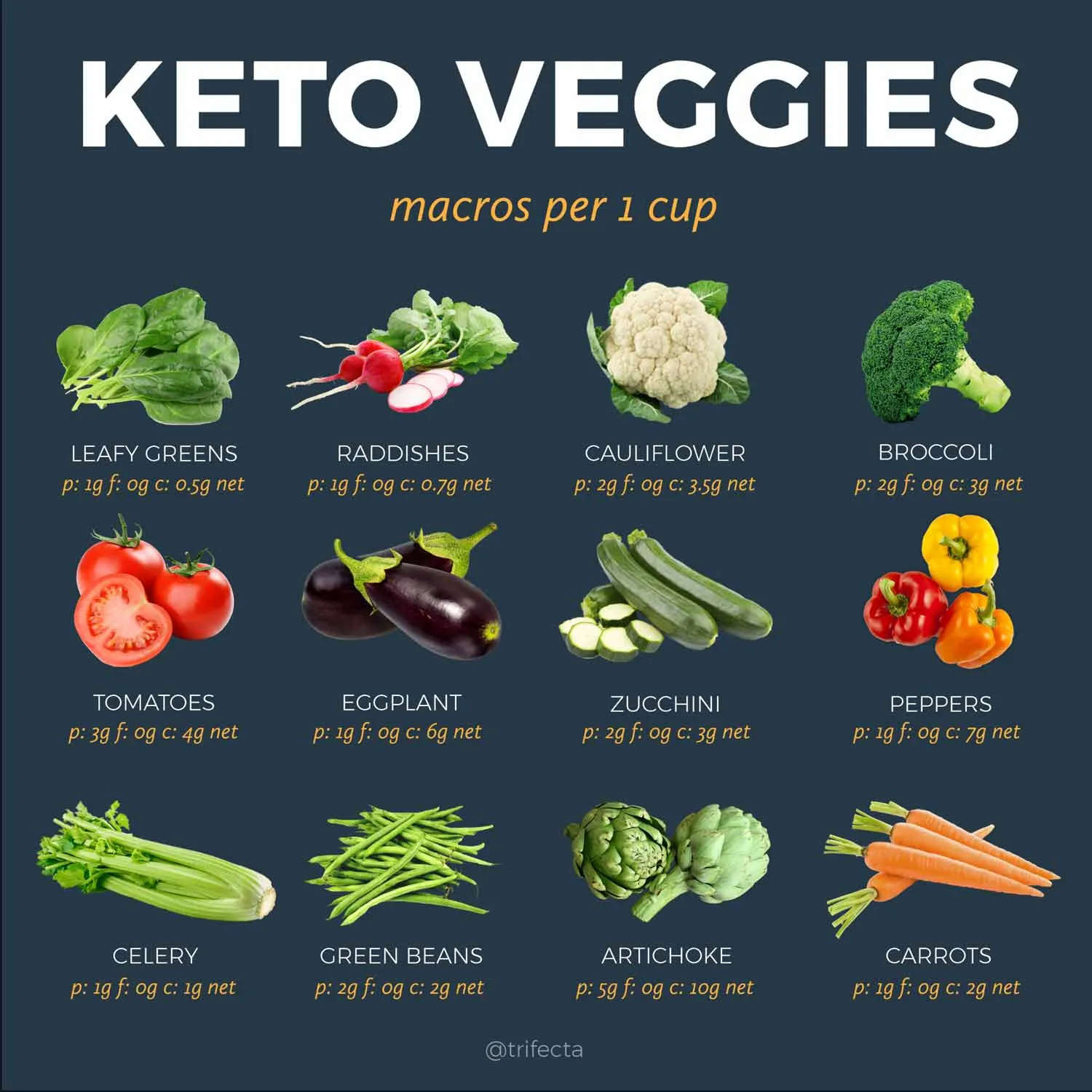
1. Include Low-Carb Vegetables: Vegetables such as leafy greens, broccoli, cauliflower, zucchini, and bell peppers are low in carbs and high in fiber. These vegetables can be incorporated into salads, stir-fries, soups, and side dishes to help increase your fiber intake.
2. Incorporate Nuts and Seeds: Nuts and seeds are a good source of fiber and healthy fats. Include nuts such as almonds, walnuts, and macadamia nuts, as well as seeds such as chia seeds, flaxseeds, and pumpkin seeds in your diet to increase your fiber intake.
3. Choose Low-Carb Fruits: While most fruits are high in carbohydrates, there are some low-carb options that are also high in fiber. Berries such as raspberries, blackberries, and strawberries are good choices for those following a keto diet.
4. Use Fiber Supplements: If you are having trouble meeting your fiber needs through food alone, you may consider using a fiber supplement. Psyllium husk, acacia fiber, and glucomannan are all popular fiber supplements that can help to increase your fiber intake.
5. Experiment with Keto-Friendly Recipes: There are many keto-friendly recipes available that are high in fiber. Look for recipes that include ingredients such as coconut flour, almond flour, and flaxseed meal to increase the fiber content of your meals.
Frequently Asked Questions About Fiber and the Ketogenic Diet
Q: Can you get enough fiber on a keto diet?
A: Yes, it is possible to meet your fiber needs on a keto diet by including a variety of fiber-rich foods in your meals. By choosing low-carb vegetables, nuts and seeds, and low-carb fruits, you can easily increase your fiber intake while following a ketogenic diet.
Q: How much fiber do I need each day?
A: The recommended daily intake of fiber varies depending on age, gender, and activity level. Most adults should aim to consume between 25-38 grams of fiber per day. However, individual needs may vary, so it is best to consult with a healthcare provider to determine the appropriate amount of fiber for your specific needs.
Q: What are the best sources of fiber on a keto diet?
A: Some of the best sources of fiber on a keto diet include low-carb vegetables such as leafy greens, broccoli, and cauliflower, nuts and seeds such as almonds, chia seeds, and flaxseeds, and low-carb fruits such as berries. These foods are not only high in fiber but also low in carbohydrates, making them ideal choices for those following a ketogenic diet.
Q: Can fiber supplements be used on a keto diet?
A: Yes, fiber supplements can be used on a keto diet to help increase your fiber intake. However, it is important to choose a fiber supplement that is low in carbohydrates and does not contain added sugars or fillers. Psyllium husk, acacia fiber, and glucomannan are all good options for those following a ketogenic diet.
In conclusion, meeting your fiber needs on a keto diet is possible by including a variety of fiber-rich foods in your meals. By choosing low-carb vegetables, nuts and seeds, low-carb fruits, and fiber supplements, you can easily increase your fiber intake while following a ketogenic diet. Remember to consult with a healthcare provider to determine the appropriate amount of fiber for your specific needs, and experiment with keto-friendly recipes to keep your meals interesting and satisfying.