Stress Management Techniques for Women Going Through Menopause
Menopause is a natural stage in a woman’s life that marks the end of her reproductive years. It is a time of significant hormonal changes that can lead to a variety of symptoms, including hot flashes, mood swings, and insomnia. These physical and emotional changes can be stressful and overwhelming for many women. In this article, we will discuss stress management techniques specifically tailored for women going through menopause.
1. Understand the Menopausal Transition
The first step in managing stress during menopause is to understand the changes happening in your body. Menopause is a gradual process that can last for several years. It is important to recognize that the symptoms you are experiencing are a result of hormonal fluctuations and are a normal part of the aging process. By acknowledging and accepting these changes, you can better cope with the stress they may bring.
2. Practice Relaxation Techniques
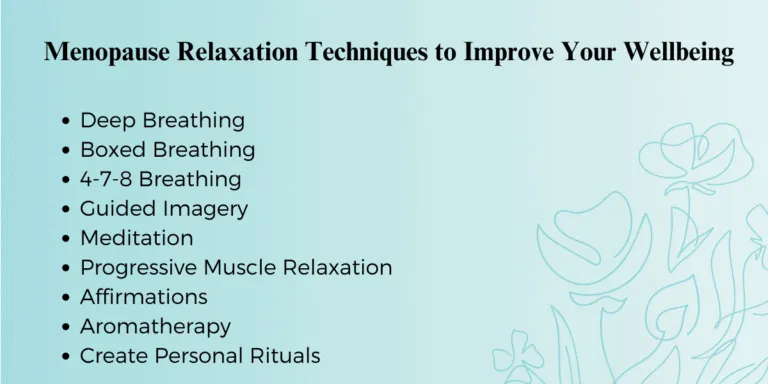
One of the most effective ways to manage stress during menopause is to practice relaxation techniques. Deep breathing exercises, meditation, yoga, and progressive muscle relaxation can all help calm the mind and body, reducing stress and anxiety. These techniques can also help improve sleep quality, which is often disrupted during menopause.
3. Stay Active
Regular physical activity is essential for managing stress and improving overall well-being during menopause. Exercise has been shown to reduce the severity of menopausal symptoms, including hot flashes and mood swings. Aim for at least 30 minutes of moderate-intensity exercise most days of the week, such as walking, swimming, or cycling. Exercise releases endorphins, which are natural mood boosters that can help alleviate stress.
4. Eat a Healthy Diet
A healthy diet can also play a significant role in managing stress during menopause. Avoiding caffeine, alcohol, and sugary foods can help stabilize blood sugar levels and reduce mood swings. Instead, focus on a balanced diet rich in fruits, vegetables, whole grains, and lean proteins. Foods high in omega-3 fatty acids, such as salmon and walnuts, can also help reduce inflammation and improve mood.
5. Get Plenty of Sleep
Sleep disturbances are common during menopause and can contribute to stress and anxiety. Establish a bedtime routine that promotes relaxation, such as taking a warm bath or reading a book before bed. Keep your bedroom cool, dark, and quiet to create a conducive sleep environment. If you are still having trouble sleeping, talk to your healthcare provider about potential treatment options.
6. Seek Support
It is important to seek support from friends, family, or a therapist during this challenging time. Talking about your feelings and experiences with others can help alleviate stress and provide a sense of connection and understanding. Joining a support group for women going through menopause can also be beneficial, as it allows you to share your concerns and learn from others who are going through similar experiences.
7. Practice Self-Care
Self-care is crucial for managing stress during menopause. Take time for yourself each day to engage in activities that bring you joy and relaxation, such as reading, gardening, or listening to music. Treat yourself to a massage or a spa day to pamper yourself and reduce tension. Setting boundaries and saying no to additional responsibilities can also help prevent burnout and overwhelm.
8. Consider Hormone Therapy
For some women, hormone therapy may be a viable option for managing menopausal symptoms and reducing stress. Hormone therapy can help alleviate hot flashes, mood swings, and insomnia by replacing the hormones that are declining during menopause. Talk to your healthcare provider to discuss the risks and benefits of hormone therapy and determine if it is the right choice for you.
FAQs
Q: Can stress worsen menopausal symptoms?
A: Yes, stress can exacerbate menopausal symptoms such as hot flashes, mood swings, and insomnia. High levels of stress can also impact your overall well-being and increase the risk of developing chronic health conditions. It is important to prioritize stress management techniques to improve your quality of life during menopause.
Q: Are there natural remedies for managing stress during menopause?
A: Yes, there are several natural remedies that can help reduce stress during menopause. These include herbal supplements such as black cohosh and red clover, which have been shown to alleviate menopausal symptoms. Other natural remedies include acupuncture, aromatherapy, and mindfulness meditation.
Q: How long do menopausal symptoms typically last?
A: Menopausal symptoms can last for several years, with the average duration being around four to five years. However, some women may experience symptoms for a shorter or longer period of time. It is important to remember that menopause is a natural process and that symptoms will eventually subside as your body adjusts to the hormonal changes.
Q: Can stress during menopause impact my mental health?
A: Yes, chronic stress during menopause can have a negative impact on your mental health. It can contribute to anxiety, depression, and mood disorders, which can further exacerbate menopausal symptoms. It is important to seek support and practice stress management techniques to protect your mental well-being during this challenging time.
In conclusion, managing stress during menopause is essential for maintaining your overall well-being and quality of life. By incorporating relaxation techniques, staying active, eating a healthy diet, getting plenty of sleep, seeking support, practicing self-care, and considering hormone therapy, you can effectively cope with the physical and emotional changes that come with menopause. Remember to be patient and kind to yourself during this transitional period and prioritize self-care to navigate this stage of life with grace and resilience.