
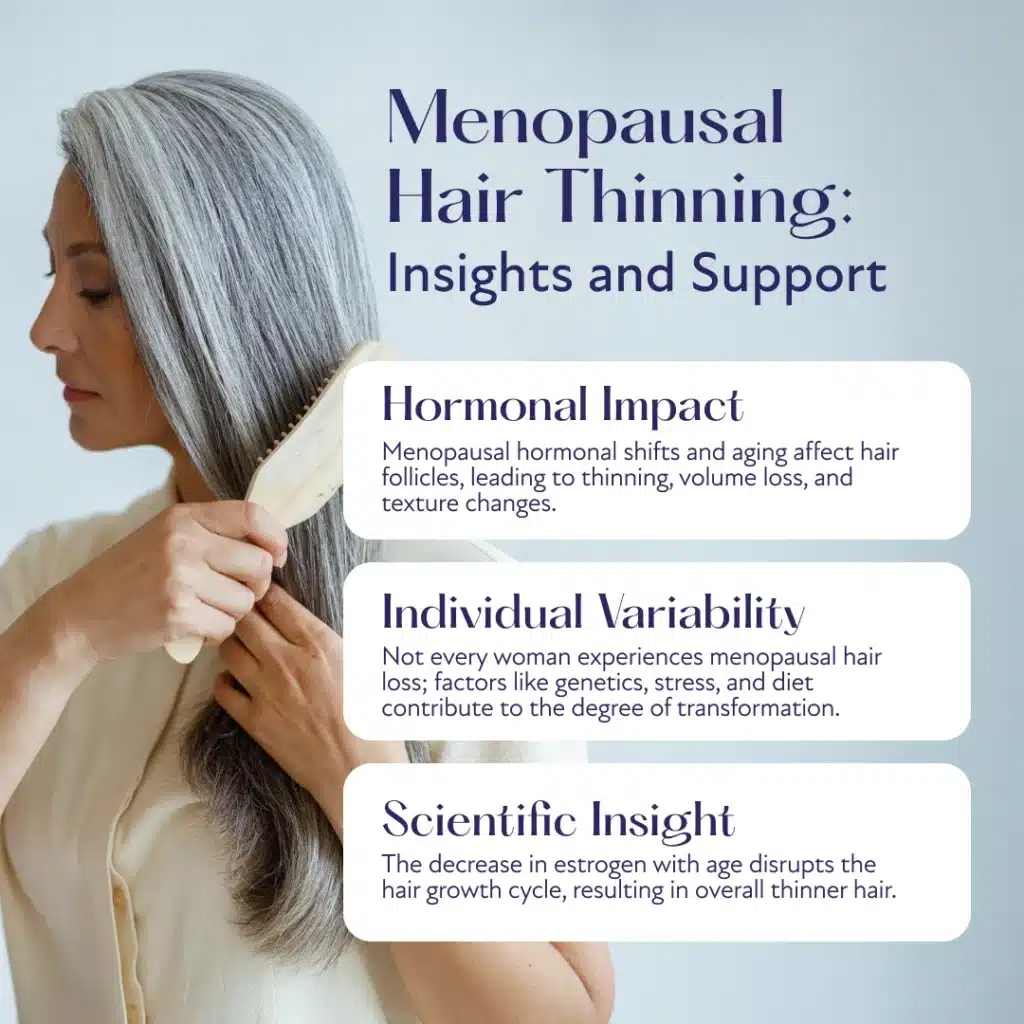
Menopause is a natural biological process that every woman goes through as she ages. It marks the end of her menstrual cycles and fertility. While menopause is a normal part of a woman’s life, it can bring about a variety of physical and emotional changes. One common symptom that many women experience during menopause is thinning hair. This can be a distressing and frustrating experience for many women, as hair is often seen as a symbol of femininity and beauty. In this article, we will explore the relationship between menopause and thinning hair, as well as provide information on how women can manage this symptom.
What Causes Thinning Hair During Menopause?
There are several factors that can contribute to thinning hair during menopause. One of the main culprits is hormonal changes. During menopause, a woman’s levels of estrogen and progesterone – two key hormones that play a role in hair growth – decrease. This hormonal imbalance can lead to hair loss and thinning.
Another factor that can contribute to thinning hair during menopause is aging. As women age, their hair follicles can become less productive, resulting in thinner and weaker hair. Additionally, women may also experience changes in their hair texture during menopause, such as dryness or brittleness, which can make hair more prone to breakage.
Stress is another common factor that can contribute to thinning hair during menopause. The hormonal changes that occur during menopause can trigger stress responses in the body, which can lead to hair loss. Additionally, stress can also contribute to other factors that can cause thinning hair, such as poor nutrition or lack of sleep.
How Can Women Manage Thinning Hair During Menopause?
While thinning hair during menopause can be distressing, there are several ways that women can manage this symptom and promote healthy hair growth. Here are some tips for managing thinning hair during menopause:
1. Maintain a Healthy Diet: Eating a balanced diet that is rich in vitamins, minerals, and nutrients can help promote healthy hair growth. Foods that are high in protein, iron, and omega-3 fatty acids are especially beneficial for hair health.
2. Practice Stress Management Techniques: Managing stress through techniques such as meditation, yoga, or deep breathing exercises can help reduce the impact of stress on hair loss.
3. Use Hair Care Products Specifically for Thinning Hair: There are many hair care products on the market that are specifically formulated to help promote hair growth and prevent thinning. Look for products that contain ingredients such as biotin, keratin, or minoxidil.
4. Avoid Heat Styling and Harsh Chemical Treatments: Heat styling tools, such as flat irons and curling irons, can damage hair and contribute to thinning. Additionally, harsh chemical treatments, such as perms or straightening treatments, can weaken hair follicles and lead to hair loss.
5. Consult a Healthcare Professional: If thinning hair during menopause is severe or persistent, it is important to consult a healthcare professional. They can help determine the underlying cause of hair loss and recommend appropriate treatments, such as hormone replacement therapy or prescription medications.
FAQs
1. Is thinning hair during menopause permanent?
Thinning hair during menopause can be a temporary or permanent condition, depending on the underlying cause. In many cases, thinning hair during menopause is due to hormonal changes and can improve over time with proper treatment. However, if thinning hair is caused by genetic factors or other health conditions, it may be permanent.
2. Can hormone replacement therapy help with thinning hair during menopause?
Hormone replacement therapy (HRT) can help alleviate some of the symptoms of menopause, including thinning hair. By restoring hormone levels to normal, HRT can help promote healthy hair growth. However, HRT is not suitable for all women and may have potential risks and side effects. It is important to consult a healthcare professional before starting HRT.
3. Are there any natural remedies for thinning hair during menopause?
There are several natural remedies that may help promote healthy hair growth during menopause. These include taking supplements such as biotin or omega-3 fatty acids, using essential oils such as rosemary or lavender, and practicing scalp massage techniques. While these remedies may help improve the appearance of thinning hair, it is important to consult a healthcare professional before trying any new treatments.
4. Can menopause cause other changes in hair besides thinning?
In addition to thinning hair, menopause can also cause other changes in hair, such as dryness, brittleness, or changes in texture. These changes are often due to hormonal fluctuations and aging. Maintaining a healthy diet, using gentle hair care products, and practicing stress management techniques can help alleviate these symptoms and promote healthy hair growth.
In conclusion, thinning hair during menopause is a common symptom that many women experience as they age. While this can be a distressing and frustrating experience, there are several ways that women can manage this symptom and promote healthy hair growth. By maintaining a healthy diet, practicing stress management techniques, using hair care products specifically for thinning hair, and consulting a healthcare professional, women can help alleviate the impact of thinning hair during menopause and maintain healthy, beautiful hair.