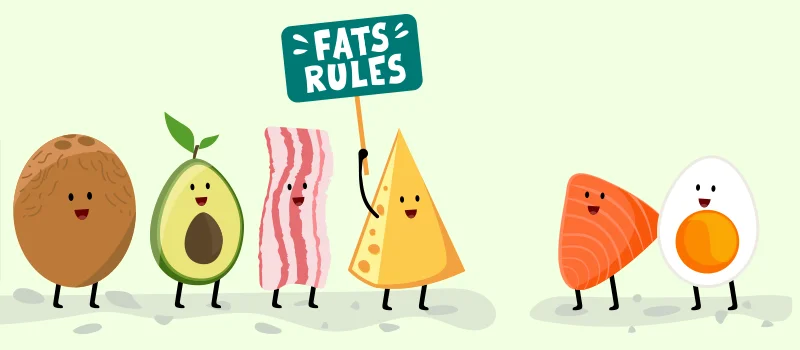
The Benefits and Drawbacks of the keto diet
The ketogenic diet, commonly known as the keto diet, is a high-fat, low-carbohydrate diet that has gained popularity in recent years for its potential health benefits. The diet works by forcing the body to enter a state of ketosis, where it burns fat for energy instead of carbohydrates. While the keto diet has been praised for its ability to promote weight loss and improve certain health conditions, it also has its drawbacks. In this article, we will examine the benefits and drawbacks of the keto diet, as well as address some frequently asked questions about this popular eating plan.
Benefits of the keto diet
1. weight loss: One of the main reasons people turn to the keto diet is for weight loss. By drastically reducing carbohydrate intake and increasing fat consumption, the body is forced to burn fat for fuel, leading to rapid weight loss for many individuals.
2. Improved Energy Levels: Many people report feeling more energized and mentally sharp on the keto diet. This is likely due to the stable blood sugar levels that come from eating a low-carb, high-fat diet.
3. Better Blood Sugar Control: The keto diet has been shown to help improve insulin sensitivity and lower blood sugar levels in individuals with type 2 diabetes. This can lead to better overall blood sugar control and a reduced risk of complications associated with diabetes.
4. Reduced Inflammation: Some studies suggest that the keto diet may help reduce inflammation in the body, which can lead to a number of health benefits, including a lower risk of chronic diseases such as heart disease and cancer.
5. Improved Brain Function: The keto diet has been shown to have neuroprotective effects and may help improve cognitive function in individuals with neurological disorders such as epilepsy and Alzheimer’s disease.
Drawbacks of the keto diet
1. Nutrient Deficiencies: Because the keto diet restricts many foods that are rich in essential nutrients, such as fruits, whole grains, and legumes, some individuals may be at risk for nutrient deficiencies if they do not carefully plan their meals.
2. Difficulty Sustaining: The keto diet can be difficult to maintain in the long term due to its restrictive nature. Many people find it challenging to stick to such a low-carb diet for an extended period of time.
3. Potential Side Effects: Some individuals may experience side effects when first starting the keto diet, such as headaches, fatigue, and constipation. These symptoms are often referred to as the “keto flu” and usually resolve within a few days to a week as the body adjusts to burning fat for fuel.
4. Increased Risk of Heart Disease: The keto diet is high in saturated fats, which can raise cholesterol levels and increase the risk of heart disease in some individuals. It is important to choose healthy fats, such as avocados, nuts, and olive oil, while on the keto diet to minimize this risk.
5. Social Isolation: The keto diet can be challenging to follow in social situations, as many foods commonly found at gatherings and restaurants are high in carbohydrates. This can make it difficult to stick to the diet when dining out or attending social events.
Frequently Asked Questions about the keto diet
1. How long does it take to enter ketosis on the keto diet?
It typically takes 2-7 days of following a ketogenic diet to enter ketosis, depending on individual factors such as carbohydrate intake and activity level.
2. Can I still exercise while on the keto diet?
Yes, it is possible to exercise while on the keto diet. However, some individuals may experience a decrease in performance initially due to the body adapting to burning fat for fuel instead of carbohydrates. This usually improves over time as the body becomes more efficient at using fat for energy.
3. Is the keto diet safe for everyone?
The keto diet may not be suitable for everyone, especially individuals with certain medical conditions such as pancreatitis, liver disease, or gallbladder disease. It is important to consult with a healthcare provider before starting the keto diet to ensure that it is safe for you.
4. Can I cheat on the keto diet?
While occasional indulgences are generally okay, cheating on the keto diet too frequently can prevent the body from entering or maintaining ketosis. It is important to be mindful of your carbohydrate intake and strive to stick to the diet as closely as possible for best results.
5. Are there any long-term studies on the effects of the keto diet?
While there is limited research on the long-term effects of the keto diet, some studies suggest that it may be beneficial for weight loss and certain health conditions when followed under the guidance of a healthcare provider. More research is needed to fully understand the potential benefits and drawbacks of the keto diet over the long term.
In conclusion, the keto diet has both benefits and drawbacks that should be carefully considered before starting this eating plan. While it may help promote weight loss, improve energy levels, and provide other health benefits, it is important to be aware of the potential nutrient deficiencies, side effects, and challenges associated with following a low-carb, high-fat diet. Consulting with a healthcare provider or registered dietitian before starting the keto diet is recommended to ensure that it is safe and appropriate for your individual needs and goals.