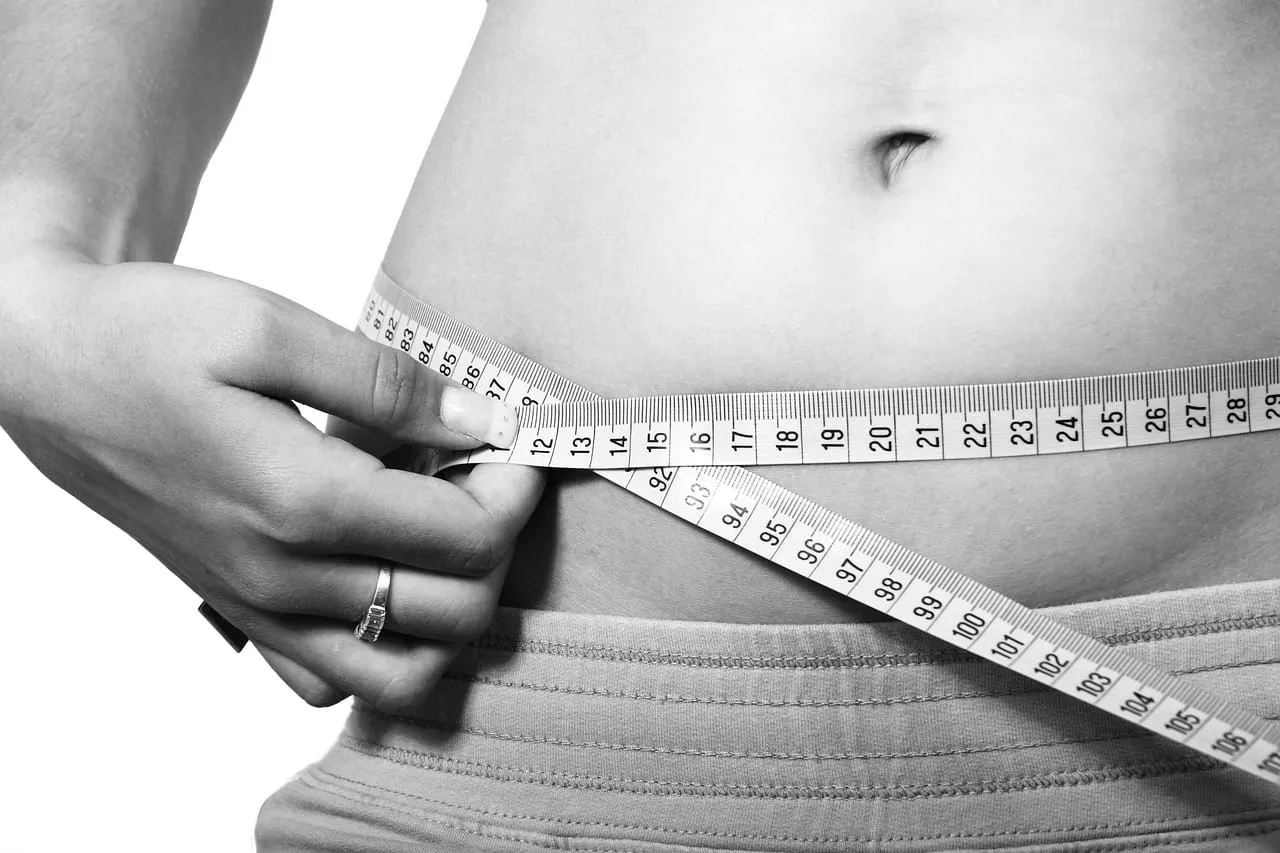
Menopause is a natural phase in a woman’s life that usually occurs in her late 40s to early 50s. It marks the end of her menstrual cycles and is characterized by hormonal changes that can lead to various symptoms such as hot flashes, night sweats, mood swings, and weight gain.
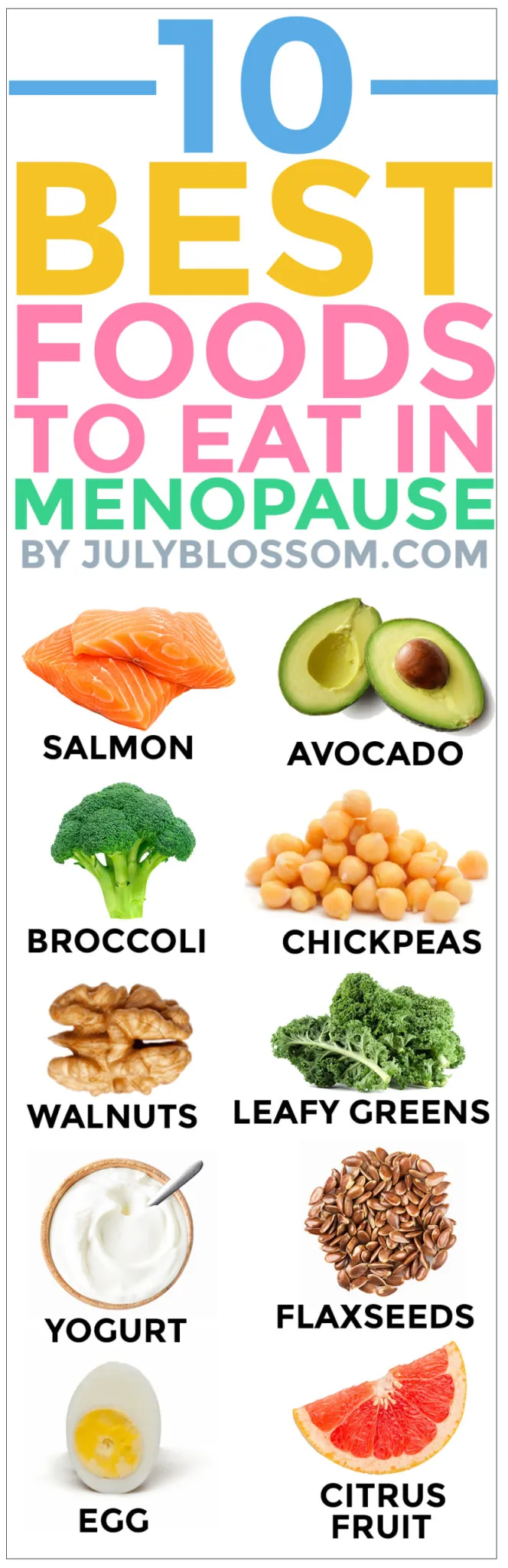
One of the key aspects of managing menopausal symptoms is through proper nutrition. Eating a well-balanced diet can help alleviate symptoms and support overall health during this transition. In this article, we will discuss the best foods to eat during menopause, as recommended by a nutritionist.
1. Whole Grains
Whole grains are an excellent source of fiber, which can help regulate digestion and prevent constipation – a common issue during menopause. They also provide a steady source of energy and can help stabilize blood sugar levels, reducing the risk of mood swings and fatigue. Some examples of whole grains include oats, brown rice, quinoa, and whole wheat.
2. Fruits and Vegetables
Fruits and vegetables are rich in vitamins, minerals, and antioxidants that can help support the immune system and reduce inflammation in the body. They are also low in calories and high in fiber, making them a great option for weight management during menopause. Aim to include a variety of colorful fruits and vegetables in your diet to ensure you are getting a wide range of nutrients.
3. Lean Protein
Protein is essential for muscle repair and maintenance, as well as hormone production. Opt for lean sources of protein such as poultry, fish, tofu, beans, and lentils. These foods can help keep you feeling full and satisfied, reducing the risk of overeating and weight gain.
4. Healthy Fats
Healthy fats, such as those found in avocados, nuts, seeds, and olive oil, are important for hormone production and brain health. They can also help reduce inflammation in the body and support heart health. Be sure to include these sources of healthy fats in your diet in moderation.
5. Calcium-Rich Foods
During menopause, women are at an increased risk of osteoporosis due to hormonal changes that can lead to bone loss. Consuming calcium-rich foods such as dairy products, fortified plant-based milks, and leafy green vegetables can help support bone health and reduce the risk of fractures.
6. Probiotic Foods
Probiotic foods, such as yogurt, kefir, sauerkraut, and kimchi, contain beneficial bacteria that can help support gut health and digestion. They can also help alleviate bloating and other digestive issues that may be exacerbated during menopause.
7. Hydrating Foods
Staying hydrated is crucial during menopause, as hormonal changes can lead to increased water retention and bloating. Consuming hydrating foods such as cucumbers, watermelon, and celery can help support hydration levels and reduce bloating.
In addition to these specific food recommendations, it is important to focus on overall healthy eating habits during menopause. This includes:
– Eating regular meals and snacks to maintain stable blood sugar levels
– Avoiding processed and sugary foods that can exacerbate hormonal imbalances
– Limiting caffeine and alcohol intake, as they can disrupt sleep and aggravate hot flashes
– Including physical activity in your daily routine to support weight management and overall well-being
FAQs
Q: Are there any foods to avoid during menopause?
A: While there are no specific foods that need to be completely avoided during menopause, it is important to limit certain foods that can exacerbate symptoms. This includes processed foods, sugary snacks, caffeine, and alcohol. These foods can disrupt hormone balance, increase inflammation in the body, and worsen symptoms such as hot flashes and mood swings.
Q: Can supplements help alleviate menopausal symptoms?
A: Some women may benefit from taking supplements during menopause to support their overall health. This includes supplements such as calcium, vitamin D, and omega-3 fatty acids, which can help support bone health, immune function, and heart health. It is important to consult with a healthcare provider or nutritionist before starting any new supplements to ensure they are safe and appropriate for your individual needs.
Q: How can I maintain a healthy weight during menopause?
A: Maintaining a healthy weight during menopause can be challenging due to hormonal changes that can lead to weight gain. To support weight management, focus on eating a well-balanced diet that includes lean protein, whole grains, fruits, and vegetables. Be mindful of portion sizes and avoid emotional eating. Incorporating regular physical activity into your routine can also help support weight loss and overall well-being.
In conclusion, eating a well-balanced diet rich in whole grains, fruits, vegetables, lean protein, healthy fats, calcium-rich foods, probiotic foods, and hydrating foods can help support overall health and alleviate menopausal symptoms. By focusing on nutrition and healthy eating habits, women can navigate the transition of menopause with greater ease and comfort. Remember to consult with a healthcare provider or nutritionist for personalized recommendations that are tailored to your individual needs and health goals.