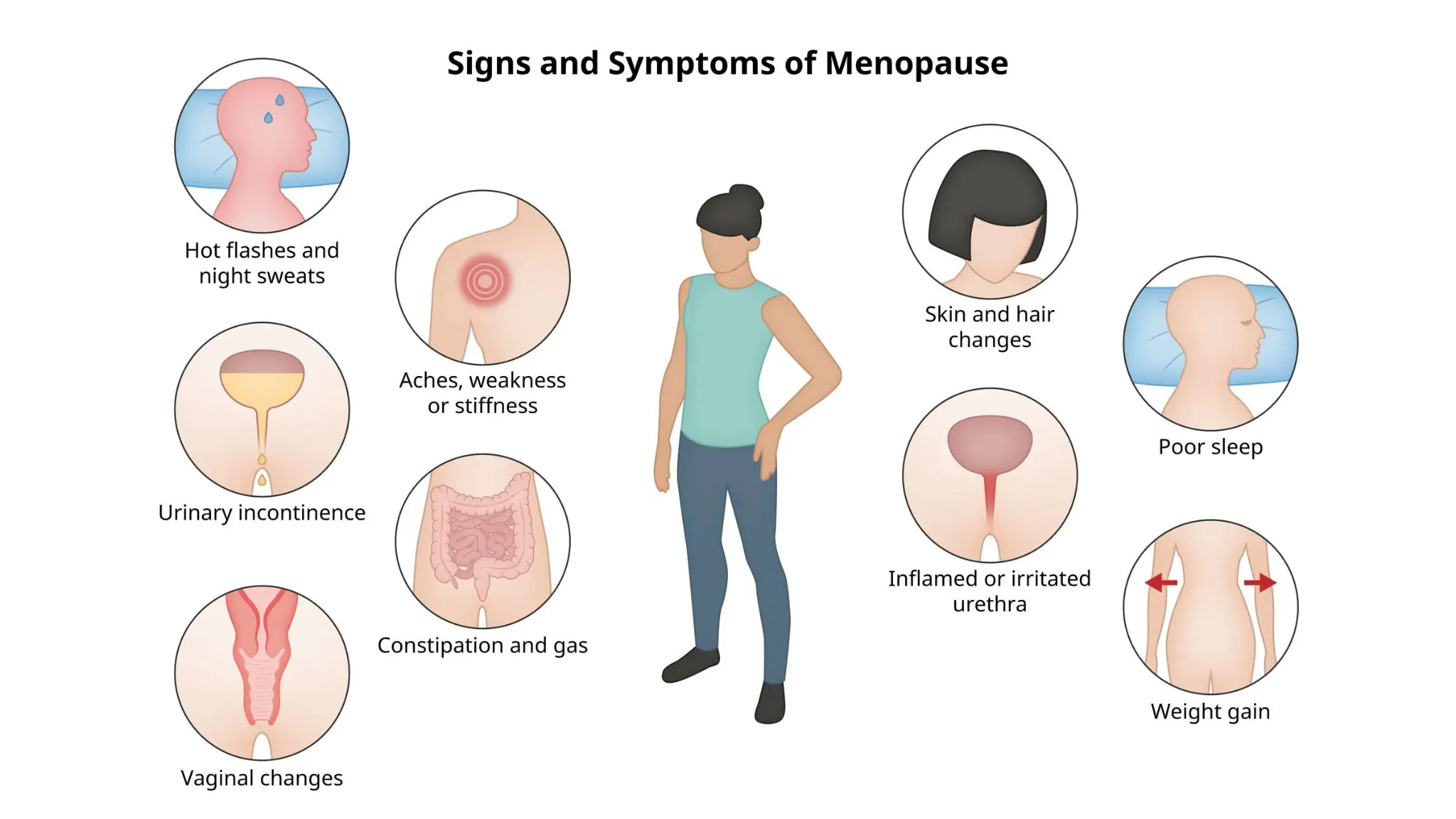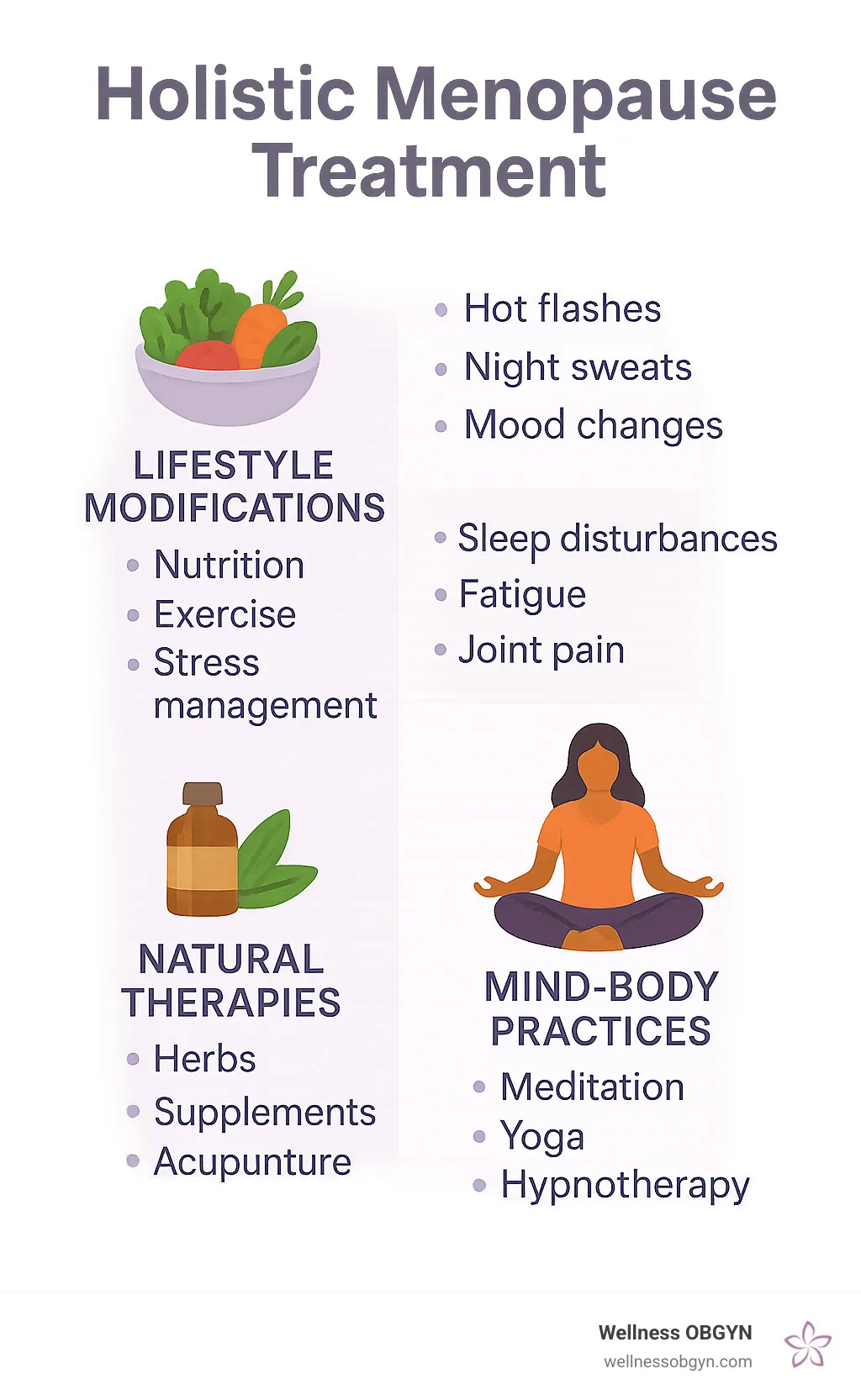
Menopause is a natural biological process that all women go through as they age. It marks the end of a woman’s reproductive years, typically occurring in the late 40s or early 50s. Menopause is characterized by a significant decrease in estrogen levels, which can lead to a variety of symptoms, including hot flashes, night sweats, mood swings, and vaginal dryness.
While menopause is a normal and natural part of a woman’s life, the symptoms can be uncomfortable and disruptive. Many women seek relief from these symptoms through natural remedies, which can help alleviate the discomfort without the need for hormonal treatments or medications.
In this article, we will explore some of the best natural remedies for menopause, including lifestyle changes, dietary supplements, and herbal remedies. We will also provide tips for managing menopausal symptoms and answer frequently asked questions about menopause and natural remedies.
Lifestyle Changes
One of the most effective ways to manage menopausal symptoms is through lifestyle changes. Making simple adjustments to your daily routine can help alleviate the discomfort associated with menopause. Here are some lifestyle changes that may help:
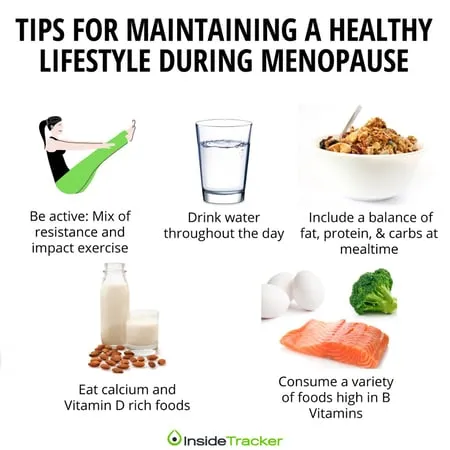
1. Exercise regularly: Regular physical activity can help reduce hot flashes, improve mood, and promote better sleep. Aim for at least 30 minutes of moderate exercise most days of the week.
2. Eat a healthy diet: A balanced diet rich in fruits, vegetables, whole grains, and lean proteins can help reduce menopausal symptoms. Avoiding caffeine, alcohol, and spicy foods may also help alleviate hot flashes.
3. Get plenty of rest: Adequate sleep is essential for managing menopausal symptoms. Aim for 7-9 hours of quality sleep each night to help reduce hot flashes and improve mood.
4. Manage stress: Stress can exacerbate menopausal symptoms, so it’s important to find healthy ways to manage stress. Practices such as yoga, meditation, deep breathing, and mindfulness can help reduce stress and promote relaxation.
5. Stay hydrated: Drinking plenty of water can help alleviate hot flashes and maintain overall health during menopause. Aim for at least 8-10 glasses of water per day.
Dietary Supplements
In addition to lifestyle changes, dietary supplements can also help manage menopausal symptoms. Various vitamins, minerals, and herbs have been shown to alleviate symptoms such as hot flashes, mood swings, and vaginal dryness. Here are some dietary supplements that may help:
1. Black cohosh: Black cohosh is a popular herbal remedy for menopause that has been shown to reduce hot flashes and night sweats. It may also help improve mood and promote better sleep.
2. Soy isoflavones: Soy isoflavones are plant compounds that mimic estrogen in the body, which can help alleviate menopausal symptoms. They are commonly found in soy products such as tofu, soy milk, and edamame.
3. Vitamin D: Vitamin D is essential for bone health and may help reduce the risk of osteoporosis during menopause. It may also help alleviate mood swings and fatigue.
4. Magnesium: Magnesium is a mineral that plays a crucial role in muscle and nerve function. It may help reduce hot flashes, improve sleep, and alleviate mood swings during menopause.
5. Omega-3 fatty acids: Omega-3 fatty acids are essential fats that have anti-inflammatory properties. They may help reduce hot flashes, improve mood, and promote heart health during menopause.
Herbal Remedies
In addition to dietary supplements, herbal remedies can also help alleviate menopausal symptoms. Many herbs have been used for centuries to treat menopause and promote hormonal balance. Here are some herbal remedies that may help:
1. Dong quai: Dong quai is a traditional Chinese herb that has been used for centuries to treat menopausal symptoms. It may help reduce hot flashes, night sweats, and mood swings.
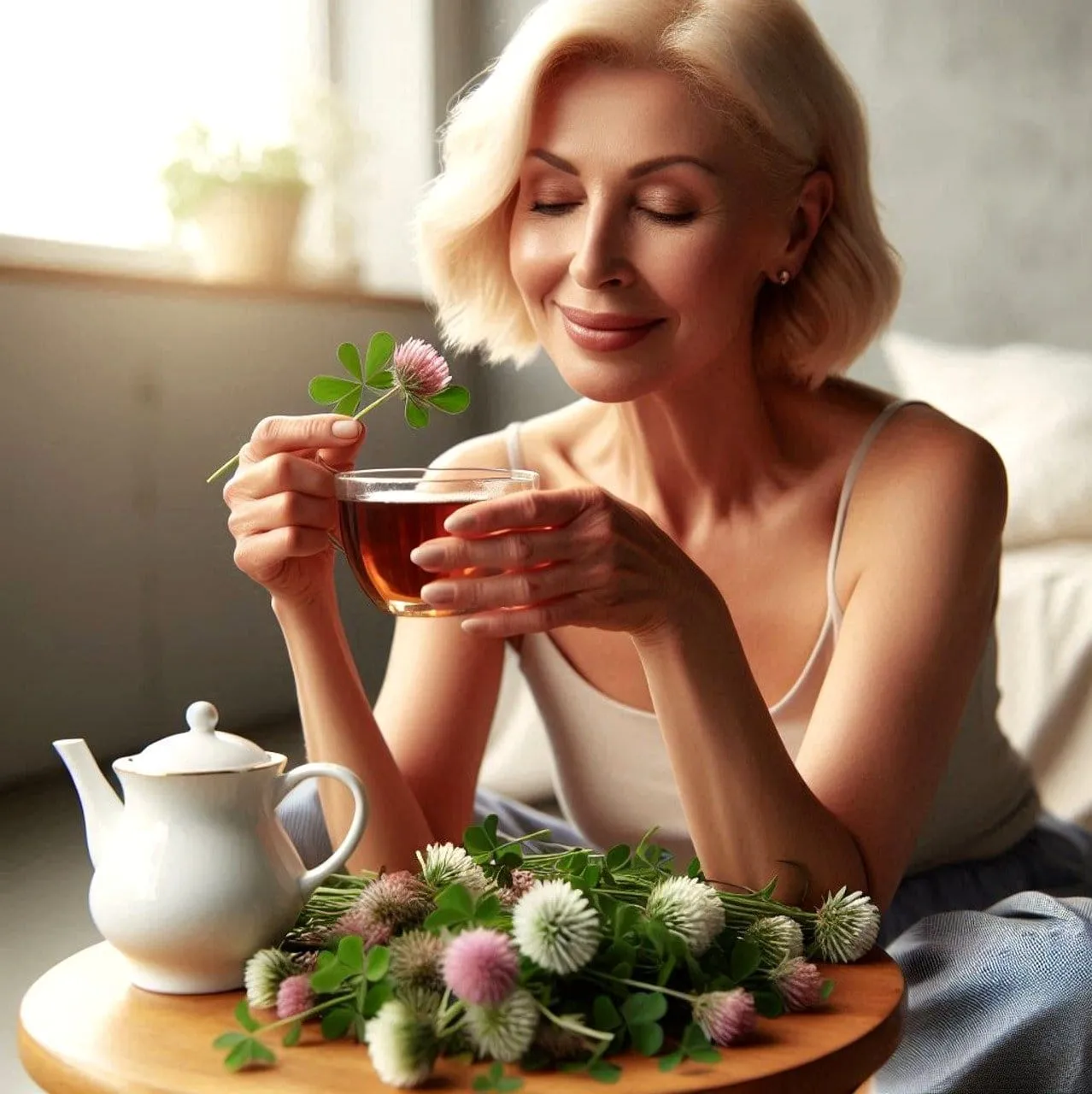
2. Red clover: Red clover is a plant that contains isoflavones, which can help alleviate menopausal symptoms. It may also help improve bone health and reduce the risk of osteoporosis.
3. Ginseng: Ginseng is a popular herbal remedy that has been shown to reduce hot flashes, improve mood, and promote overall well-being during menopause.
4. Chasteberry: Chasteberry is a herb that may help balance hormones and alleviate symptoms such as hot flashes and mood swings. It may also help improve sleep and reduce anxiety.
5. St. John’s wort: St. John’s wort is a herb that is commonly used to treat mood disorders such as depression and anxiety. It may help alleviate mood swings and promote emotional well-being during menopause.
Tips for Managing Menopausal Symptoms
In addition to lifestyle changes, dietary supplements, and herbal remedies, there are several other tips for managing menopausal symptoms. These tips can help alleviate discomfort and promote overall well-being during menopause. Here are some tips for managing menopausal symptoms:
1. Practice relaxation techniques: Stress can exacerbate menopausal symptoms, so it’s important to find healthy ways to relax and unwind. Practices such as yoga, meditation, deep breathing, and mindfulness can help reduce stress and promote relaxation.
2. Stay cool: Hot flashes are a common symptom of menopause, so it’s important to stay cool and comfortable. Dress in layers, use a fan or air conditioner, and avoid hot and spicy foods to help reduce hot flashes.
3. Stay active: Regular physical activity can help reduce menopausal symptoms such as hot flashes, mood swings, and fatigue. Aim for at least 30 minutes of moderate exercise most days of the week.
4. Stay hydrated: Drinking plenty of water can help alleviate hot flashes and maintain overall health during menopause. Aim for at least 8-10 glasses of water per day.
5. Talk to your healthcare provider: If you are experiencing severe menopausal symptoms, it’s important to talk to your healthcare provider. They can help determine the best course of action for managing your symptoms and may recommend hormone therapy or other treatments.
FAQs
Q: What is menopause?
A: Menopause is a natural biological process that marks the end of a woman’s reproductive years. It typically occurs in the late 40s or early 50s and is characterized by a significant decrease in estrogen levels.
Q: What are the symptoms of menopause?
A: Menopause is associated with a variety of symptoms, including hot flashes, night sweats, mood swings, vaginal dryness, and fatigue. Other symptoms may include weight gain, insomnia, and changes in libido.
Q: What are the best natural remedies for menopause?
A: Some of the best natural remedies for menopause include lifestyle changes, dietary supplements, and herbal remedies. Lifestyle changes such as regular exercise, a healthy diet, and stress management can help alleviate symptoms. Dietary supplements such as black cohosh, soy isoflavones, and vitamin D may also help reduce symptoms. Herbal remedies such as dong quai, red clover, and ginseng can help balance hormones and alleviate symptoms.
Q: Are there any risks associated with natural remedies for menopause?
A: While natural remedies are generally considered safe, some may have risks or side effects. It’s important to talk to your healthcare provider before starting any new supplement or herbal remedy, especially if you have underlying health conditions or are taking medications.
Q: How long do menopausal symptoms last?
A: Menopausal symptoms can vary in duration and intensity from woman to woman. Some women may experience symptoms for a few months to a few years, while others may experience symptoms for a decade or more. It’s important to talk to your healthcare provider if you are experiencing severe or prolonged symptoms.
In conclusion, menopause is a natural and inevitable part of a woman’s life, but the symptoms can be uncomfortable and disruptive. Fortunately, there are many natural remedies available to help alleviate the discomfort associated with menopause. Lifestyle changes, dietary supplements, and herbal remedies can all help manage menopausal symptoms and promote overall well-being. By making simple adjustments to your daily routine and incorporating natural remedies into your lifestyle, you can find relief from menopausal symptoms and enjoy a healthier, happier menopausal transition.