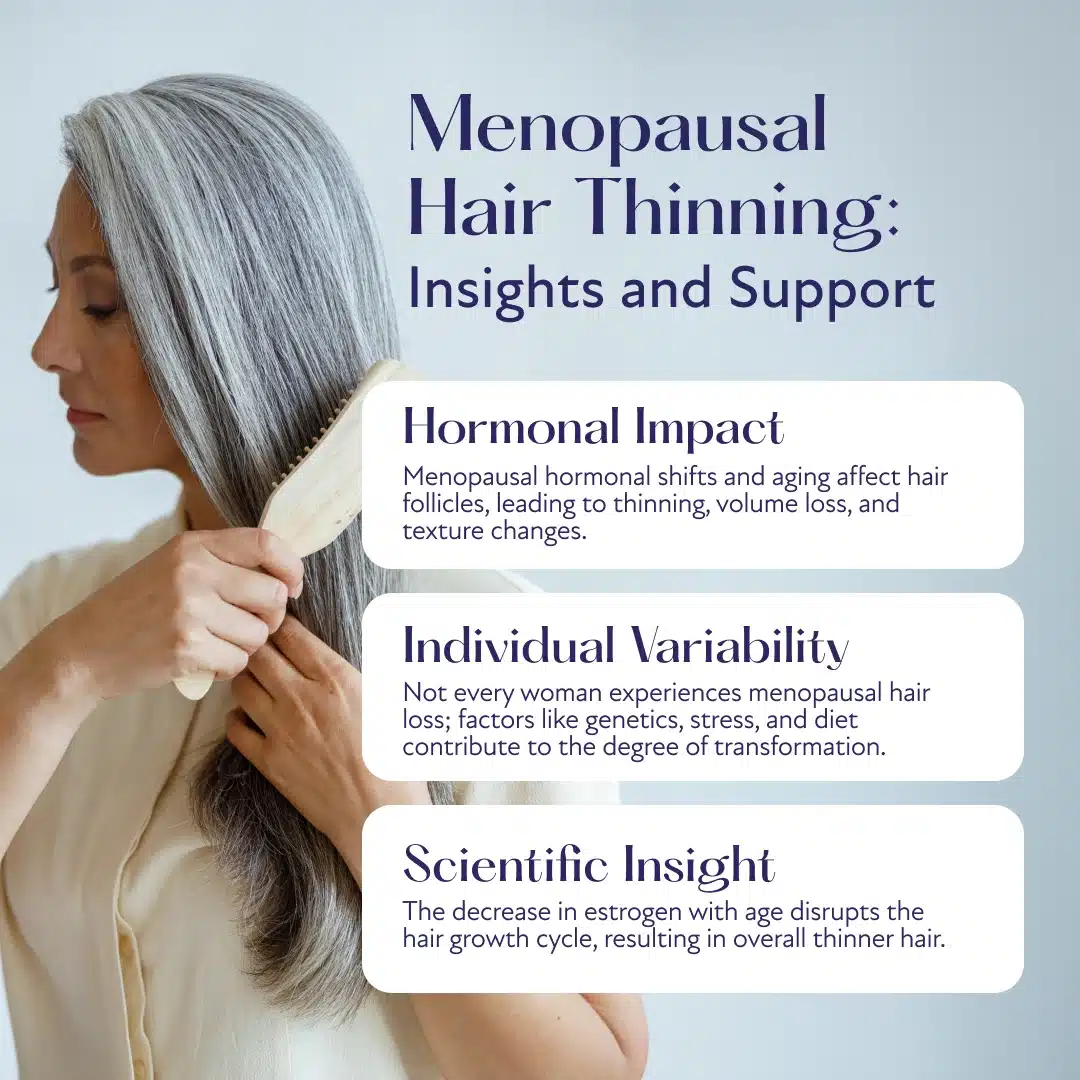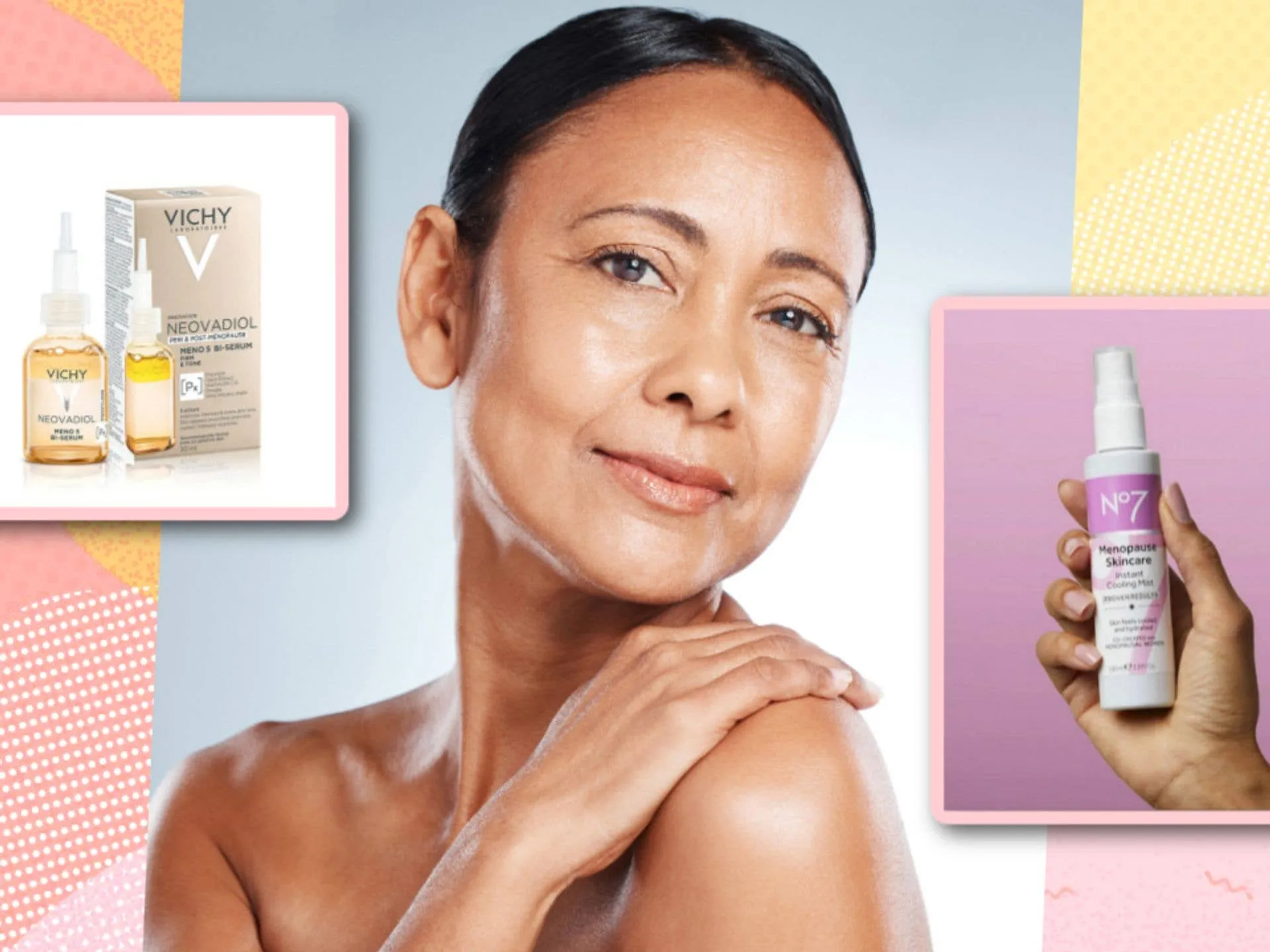
Menopause is a natural phase in a woman’s life that marks the end of her reproductive years. Along with hormonal changes, menopause can also bring about changes in the skin. Menopausal skin tends to become drier, thinner, and more prone to wrinkles and sagging. However, with the right products and practices, women can maintain healthy and radiant skin during this transitional period.
In this article, we will explore the best products and practices for menopausal skin, as well as answer some frequently asked questions about skincare during menopause.
Best Products for Menopausal Skin
1. Moisturizer: One of the most important products for menopausal skin is a good moisturizer. Look for a moisturizer that is rich in hydrating ingredients such as hyaluronic acid, glycerin, and ceramides. These ingredients help to hydrate and plump the skin, reducing the appearance of fine lines and wrinkles.
2. Retinol: Retinol is a derivative of vitamin A that is known for its anti-aging properties. It helps to stimulate collagen production, improve skin texture, and reduce the appearance of fine lines and wrinkles. Retinol can be harsh on sensitive skin, so start with a lower concentration and gradually increase it as your skin becomes accustomed to it.
3. Sunscreen: Sun protection is crucial for menopausal skin, as the skin becomes more susceptible to sun damage. Look for a broad-spectrum sunscreen with an SPF of at least 30 and apply it every day, even on cloudy days. This will help to protect your skin from harmful UV rays and prevent premature aging.
4. Antioxidants: Antioxidants such as vitamin C and E help to protect the skin from free radical damage, which can accelerate the aging process. Look for serums or moisturizers that contain these ingredients to help keep your skin looking youthful and radiant.
5. Hydrating Masks: Menopausal skin can benefit from a hydrating mask once or twice a week. Look for masks that contain ingredients like hyaluronic acid, aloe vera, and glycerin to hydrate and plump the skin, leaving it looking refreshed and rejuvenated.
Best Practices for Menopausal Skin
1. Gentle Cleansing: Menopausal skin can become more sensitive and prone to irritation, so it’s important to use a gentle cleanser that won’t strip the skin of its natural oils. Look for a mild, non-foaming cleanser that cleanses the skin without drying it out.
2. Hydration: Hydration is key for menopausal skin, so make sure to drink plenty of water throughout the day to keep your skin hydrated from the inside out. You can also use a humidifier in your home to add moisture to the air, which can help to hydrate your skin.
3. Healthy Diet: A balanced diet rich in fruits, vegetables, and lean proteins can help to nourish your skin from the inside out. Foods high in antioxidants such as berries, leafy greens, and nuts can help to protect your skin from damage and keep it looking healthy and radiant.
4. Regular Exercise: Exercise is not only good for your overall health, but it can also benefit your skin. Regular exercise helps to improve circulation, which can help to deliver essential nutrients to your skin and promote a healthy glow.
5. Stress Management: Menopause can be a stressful time for many women, and stress can take a toll on your skin. Practice stress-reducing techniques such as meditation, yoga, or deep breathing exercises to help keep your skin looking healthy and radiant.
FAQs
Q: Can menopausal skin benefit from exfoliation?
A: Yes, exfoliation can help to remove dead skin cells and promote cell turnover, which can help to improve the texture and tone of menopausal skin. However, be gentle with exfoliation and avoid harsh scrubs that can irritate the skin.
Q: Are hormonal changes during menopause responsible for changes in the skin?
A: Yes, hormonal changes during menopause can lead to a decrease in collagen production, which can result in thinner, drier, and more wrinkled skin. Estrogen levels also decline during menopause, which can affect the skin’s elasticity and hydration.
Q: Can menopausal skin benefit from professional treatments?
A: Yes, professional treatments such as chemical peels, microdermabrasion, and laser therapy can help to improve the texture and tone of menopausal skin. It’s important to consult with a skincare professional to determine which treatment is best suited for your skin type and concerns.
Q: How long does menopausal skin typically last?
A: Menopausal skin can last for several years, with the average duration being around 4-5 years. However, the effects of menopausal skin can vary from person to person, so it’s important to adapt your skincare routine to meet the changing needs of your skin.
In conclusion, menopausal skin requires special care and attention to maintain its health and vitality. By using the right products and practices, women can keep their skin looking youthful and radiant during this transitional period. Remember to consult with a skincare professional if you have any concerns or questions about your skincare routine during menopause.