Hot flashes are a common symptom experienced by many women during menopause. These sudden feelings of intense heat, sweating, and flushing can be uncomfortable and disruptive to daily life. While hot flashes are a natural part of the menopausal transition, there are steps that can be taken to help manage and reduce their frequency and severity. One such approach is through the use of vitamins and supplements that have been shown to help combat hot flashes. In this article, we will explore the best vitamins to combat hot flashes, how they work, and how to incorporate them into your daily routine.
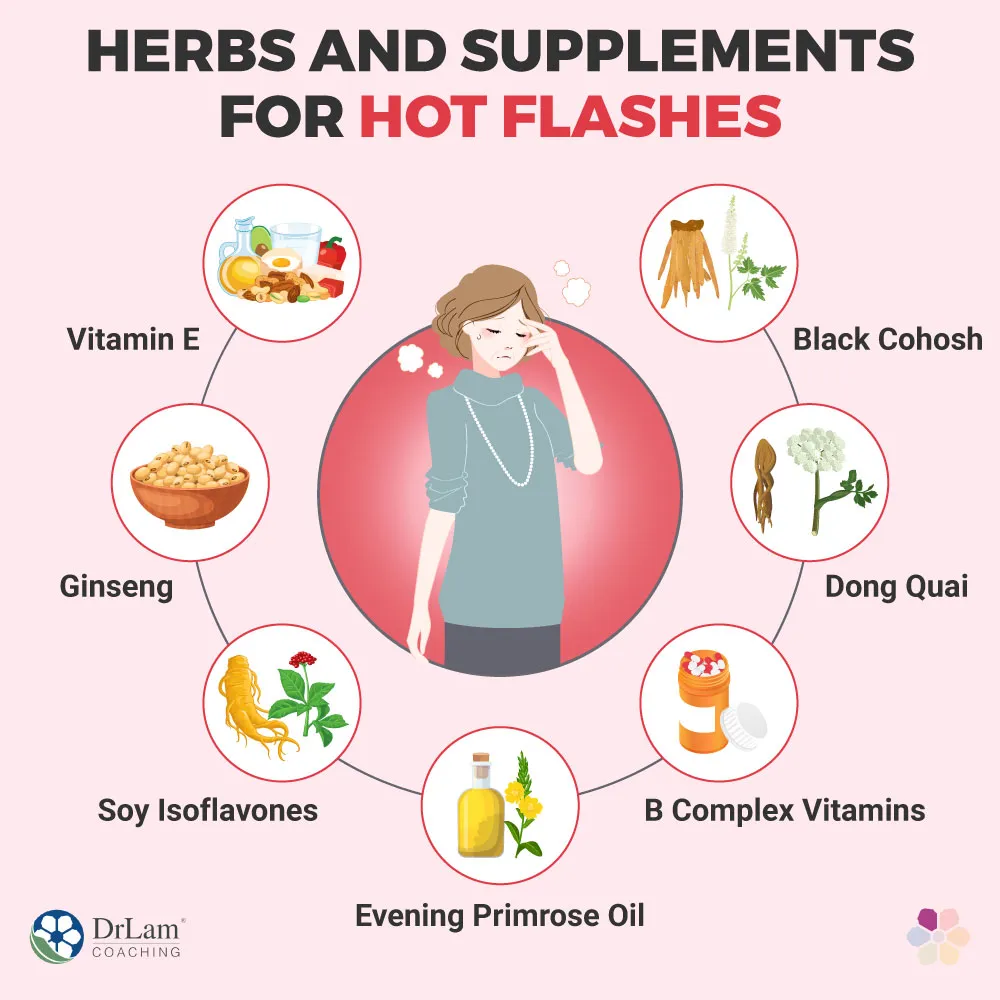
Vitamin E
Vitamin E is a powerful antioxidant that has been studied for its potential to reduce the frequency and severity of hot flashes. One study published in the journal Menopause found that women who took vitamin E supplements experienced a significant reduction in hot flash frequency compared to those who took a placebo. Vitamin E works by helping to regulate the body’s production of estrogen, a hormone that plays a key role in menopausal symptoms. In addition to its potential benefits for hot flashes, vitamin E is also important for overall skin health and can help to improve the appearance of aging skin.
To incorporate vitamin E into your routine, consider taking a daily supplement or increasing your intake of vitamin E-rich foods such as almonds, sunflower seeds, and spinach. It is important to talk to your healthcare provider before starting any new supplement regimen, as vitamin E can interact with certain medications and medical conditions.
Vitamin D
Vitamin D is another important nutrient that may help to ease hot flashes during menopause. Research has shown that women with low levels of vitamin D are more likely to experience severe hot flashes. Vitamin D plays a key role in regulating hormone levels and may help to support overall hormonal balance in the body. In addition to its potential benefits for hot flashes, vitamin D is important for bone health and immune function.
To increase your vitamin D levels, consider spending time outdoors in the sunlight, as the body produces vitamin D in response to sunlight exposure. You can also incorporate vitamin D-rich foods such as fatty fish, eggs, and fortified dairy products into your diet. If you have low levels of vitamin D, your healthcare provider may recommend a vitamin D supplement to help bring your levels back into a healthy range.
Vitamin B6
Vitamin B6, also known as pyridoxine, is a water-soluble vitamin that may help to reduce the frequency and severity of hot flashes. Research has shown that vitamin B6 can help to regulate estrogen levels in the body, which may in turn help to alleviate menopausal symptoms such as hot flashes. In addition to its potential benefits for hot flashes, vitamin B6 is important for energy production, brain function, and immune health.
To increase your intake of vitamin B6, consider incorporating foods such as chickpeas, salmon, and bananas into your diet. You can also talk to your healthcare provider about taking a vitamin B6 supplement to help support hormonal balance and reduce hot flashes.
Magnesium
Magnesium is an essential mineral that plays a key role in over 300 enzymatic reactions in the body, including those involved in hormone regulation. Research has shown that magnesium may help to reduce the frequency and severity of hot flashes by supporting hormonal balance and reducing stress levels. In addition to its potential benefits for hot flashes, magnesium is important for bone health, muscle function, and cardiovascular health.
To increase your magnesium intake, consider incorporating magnesium-rich foods such as almonds, spinach, and avocado into your diet. You can also talk to your healthcare provider about taking a magnesium supplement to help support hormonal balance and reduce hot flashes.
Black Cohosh
Black cohosh is a medicinal herb that has been used for centuries to help alleviate menopausal symptoms, including hot flashes. Research has shown that black cohosh may help to reduce the frequency and severity of hot flashes by acting on the body’s hormonal system. While the exact mechanism of action is not fully understood, black cohosh is believed to help regulate estrogen levels in the body, which can in turn help to alleviate menopausal symptoms.
To incorporate black cohosh into your routine, consider taking a standardized black cohosh supplement that has been shown to be safe and effective for menopausal symptoms. It is important to talk to your healthcare provider before starting any new supplement regimen, as black cohosh can interact with certain medications and medical conditions.
Soy Isoflavones
Soy isoflavones are plant compounds that are structurally similar to estrogen and may help to alleviate menopausal symptoms such as hot flashes. Research has shown that soy isoflavones may help to reduce the frequency and severity of hot flashes by acting on the body’s hormonal system. In addition to their potential benefits for hot flashes, soy isoflavones are also important for heart health and bone health.
To increase your intake of soy isoflavones, consider incorporating soy-based foods such as tofu, edamame, and soy milk into your diet. You can also talk to your healthcare provider about taking a soy isoflavone supplement to help support hormonal balance and reduce hot flashes.
FAQs
Q: Are vitamins and supplements safe to take for hot flashes?
A: In general, vitamins and supplements are safe to take for hot flashes when used as directed. However, it is important to talk to your healthcare provider before starting any new supplement regimen, as certain vitamins and supplements can interact with medications and medical conditions. Your healthcare provider can help you determine the best approach for managing hot flashes based on your individual needs and health history.
Q: How long does it take for vitamins and supplements to work for hot flashes?
A: The time it takes for vitamins and supplements to work for hot flashes can vary depending on the individual and the specific supplement being taken. Some women may notice a reduction in hot flash frequency and severity within a few weeks of starting a new supplement regimen, while others may take longer to see results. It is important to be patient and consistent with your supplement routine in order to maximize the potential benefits for hot flashes.
Q: Can vitamins and supplements help to prevent hot flashes?
A: While vitamins and supplements can help to reduce the frequency and severity of hot flashes, they may not be able to prevent hot flashes entirely. Hot flashes are a natural part of the menopausal transition and can be influenced by a variety of factors, including hormonal changes, stress, and lifestyle habits. In addition to taking vitamins and supplements, it is important to adopt healthy lifestyle practices such as eating a balanced diet, staying active, and managing stress in order to help reduce the frequency and severity of hot flashes.
Q: Are there any side effects associated with taking vitamins and supplements for hot flashes?
A: In general, vitamins and supplements are safe to take for hot flashes when used as directed. However, some individuals may experience mild side effects such as digestive upset or allergic reactions when taking certain supplements. It is important to talk to your healthcare provider before starting any new supplement regimen in order to minimize the risk of side effects and ensure that the supplements are safe and appropriate for your individual needs.
Q: Can vitamins and supplements interact with medications for hot flashes?
A: Some vitamins and supplements can interact with medications for hot flashes, so it is important to talk to your healthcare provider before starting any new supplement regimen. Certain supplements may interact with medications such as hormone replacement therapy or antidepressants, potentially affecting their effectiveness or causing unwanted side effects. Your healthcare provider can help you determine the best approach for managing hot flashes based on your individual needs and health history.
In conclusion, vitamins and supplements can be a valuable tool for managing and reducing hot flashes during menopause. By incorporating key nutrients such as vitamin E, vitamin D, vitamin B6, magnesium, black cohosh, and soy isoflavones into your routine, you may be able to help support hormonal balance and reduce the frequency and severity of hot flashes. It is important to talk to your healthcare provider before starting any new supplement regimen, as certain vitamins and supplements can interact with medications and medical conditions. With the right approach, you can take steps to help alleviate hot flashes and improve your overall quality of life during the menopausal transition.