The ketogenic diet, or keto diet, has gained immense popularity in recent years for its ability to promote weight loss and improve overall health. However, many people make mistakes when following the keto diet that can hinder their progress and prevent them from achieving their desired results. In this article, we will discuss some of the biggest keto diet mistakes and provide tips on how to correct them to ensure success on the keto diet.
1. Not Eating Enough Fat
One of the key principles of the keto diet is to consume a high amount of healthy fats while keeping carbohydrate intake low. Many people make the mistake of not eating enough fat on the keto diet, which can lead to feelings of hunger, low energy levels, and difficulty sticking to the diet.
To correct this mistake, focus on incorporating healthy fats into each meal, such as avocados, nuts, seeds, olive oil, and coconut oil. Make sure to include a source of fat in each meal to help keep you feeling full and satisfied throughout the day.
2. Eating Too Many Carbs
Another common mistake on the keto diet is consuming too many carbs, which can prevent the body from entering ketosis, a state where the body burns fat for fuel instead of carbohydrates. To correct this mistake, track your carb intake and aim to consume less than 50 grams of carbs per day to stay in ketosis.
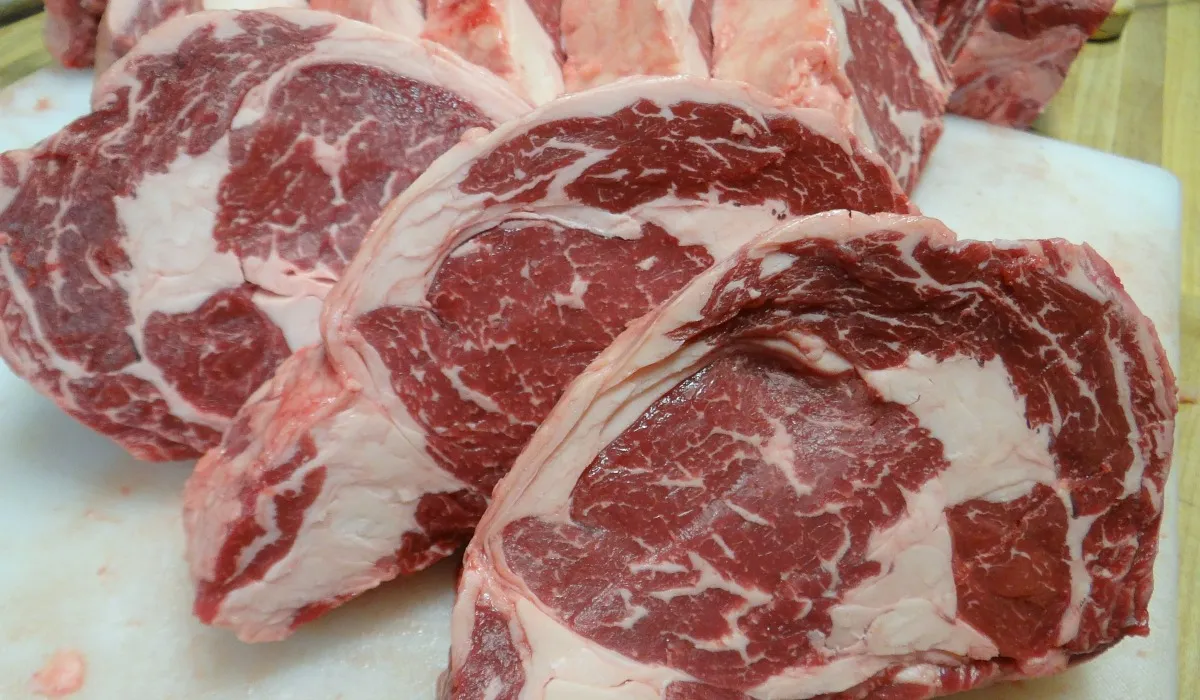
Focus on eating low-carb, high-fat foods such as meat, fish, eggs, cheese, and non-starchy vegetables. Avoid high-carb foods such as bread, pasta, rice, and sugary snacks to help keep your carb intake low and promote ketosis.
3. Not Eating Enough Vegetables
While the keto diet is high in fat and moderate in protein, it is essential to include plenty of vegetables in your diet to ensure you are getting a variety of nutrients and fiber. Many people make the mistake of not eating enough vegetables on the keto diet, which can lead to nutrient deficiencies and digestive issues.
To correct this mistake, aim to include a variety of non-starchy vegetables in your meals, such as leafy greens, broccoli, cauliflower, zucchini, and peppers. These vegetables are low in carbs and high in fiber, vitamins, and minerals, making them an essential part of a healthy keto diet.
4. Not Drinking Enough Water
Staying hydrated is crucial on the keto diet, as the body excretes more water when in ketosis. Many people make the mistake of not drinking enough water on the keto diet, which can lead to dehydration, headaches, and fatigue.
To correct this mistake, aim to drink at least 8-10 glasses of water per day, or more if you are active or live in a hot climate. You can also include electrolyte-rich beverages such as bone broth or electrolyte supplements to help replenish lost minerals and stay hydrated on the keto diet.
5. Not Planning Ahead
One of the biggest mistakes people make on the keto diet is not planning ahead and being unprepared when it comes to meals and snacks. This can lead to making poor food choices, falling off track, and feeling overwhelmed with the diet.
To correct this mistake, take the time to plan your meals and snacks in advance, so you always have keto-friendly options on hand. Stock your kitchen with healthy fats, proteins, and low-carb vegetables, and prepare meals in bulk to save time and stay on track with the keto diet.
FAQs
Q: How long does it take to see results on the keto diet?
A: Results on the keto diet can vary depending on individual factors such as metabolism, activity level, and adherence to the diet. Some people may see results within a few days to a week of starting the keto diet, while others may take longer to enter ketosis and start seeing weight loss and other health benefits.
Q: Can I have cheat days on the keto diet?
A: While some people may choose to have occasional cheat days on the keto diet, it is generally not recommended, as it can disrupt ketosis and hinder progress. If you do choose to have a cheat day, try to keep it to a minimum and focus on getting back on track with the keto diet as soon as possible.
Q: Is the keto diet safe for everyone to follow?
A: The keto diet is generally safe for most people to follow, but it may not be suitable for everyone, especially those with certain medical conditions such as diabetes, kidney disease, or eating disorders. It is always best to consult with a healthcare provider before starting any new diet or lifestyle changes to ensure it is safe for you.
In conclusion, the keto diet can be an effective way to promote weight loss and improve overall health, but it is essential to avoid common mistakes that can hinder progress and prevent you from achieving your desired results. By focusing on eating enough fat, limiting carb intake, including plenty of vegetables, staying hydrated, and planning ahead, you can correct these mistakes and set yourself up for success on the keto diet. Remember to consult with a healthcare provider before starting the keto diet to ensure it is safe and appropriate for you.