The Effects of Alcohol on Ketosis: What You Need to Consider
Introduction
The ketogenic diet has gained popularity in recent years for its ability to help individuals lose weight and improve their overall health. By drastically reducing carbohydrate intake and increasing fat consumption, the body enters a state of ketosis, where it burns fat for fuel instead of glucose. However, many people wonder how alcohol consumption fits into this low-carb, high-fat diet. In this article, we will explore the effects of alcohol on ketosis and what you need to consider when incorporating it into your ketogenic lifestyle.
Understanding Ketosis
Before delving into the effects of alcohol on ketosis, it’s important to understand what ketosis is and how it works. Ketosis is a metabolic state in which the body breaks down fat into ketones, which are then used as a primary source of energy instead of glucose. This process occurs when the body’s carbohydrate intake is significantly reduced, forcing it to rely on fat for fuel.
When following a ketogenic diet, individuals typically consume no more than 20-50 grams of net carbs per day, with the majority of calories coming from fats and a moderate amount of protein. This low-carb, high-fat approach helps the body enter and maintain ketosis, leading to weight loss and other health benefits.
Effects of Alcohol on Ketosis
Alcohol is often considered the fourth macronutrient, as it contains calories but provides no essential nutrients. When consumed, alcohol is metabolized by the liver and converted into acetate, a form of energy that can be used by the body. However, alcohol consumption can affect ketosis in several ways:
1. Alcohol is metabolized before fat: When alcohol is consumed, the body prioritizes metabolizing it over other nutrients, including fat. This means that the liver will process alcohol first, potentially slowing down fat burning and ketone production.
2. Alcohol can disrupt fat metabolism: Alcohol consumption can disrupt the body’s ability to efficiently burn fat for fuel, which is essential for maintaining ketosis. This can lead to a temporary halt in weight loss and potentially kick individuals out of ketosis.
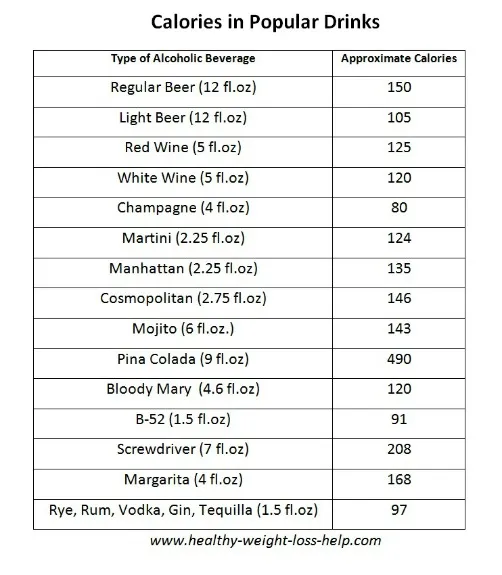
3. Alcohol contains hidden carbs: Many alcoholic beverages, such as beer, wine, and mixed drinks, contain hidden carbohydrates that can quickly add up and hinder ketosis. Even a small amount of carbs can affect blood sugar levels and insulin response, potentially derailing ketosis.
4. Alcohol can lower inhibitions: Alcohol consumption can lower inhibitions and lead to poor food choices, such as high-carb snacks or meals. This can further disrupt ketosis and hinder progress on the ketogenic diet.
What You Need to Consider
If you choose to consume alcohol while following a ketogenic diet, there are several factors to consider to minimize its impact on ketosis:
1. Choose low-carb alcoholic beverages: Opt for spirits such as vodka, gin, tequila, or whiskey, which have zero carbs and are less likely to affect ketosis. Avoid sugary mixers and opt for soda water or diet soda instead.
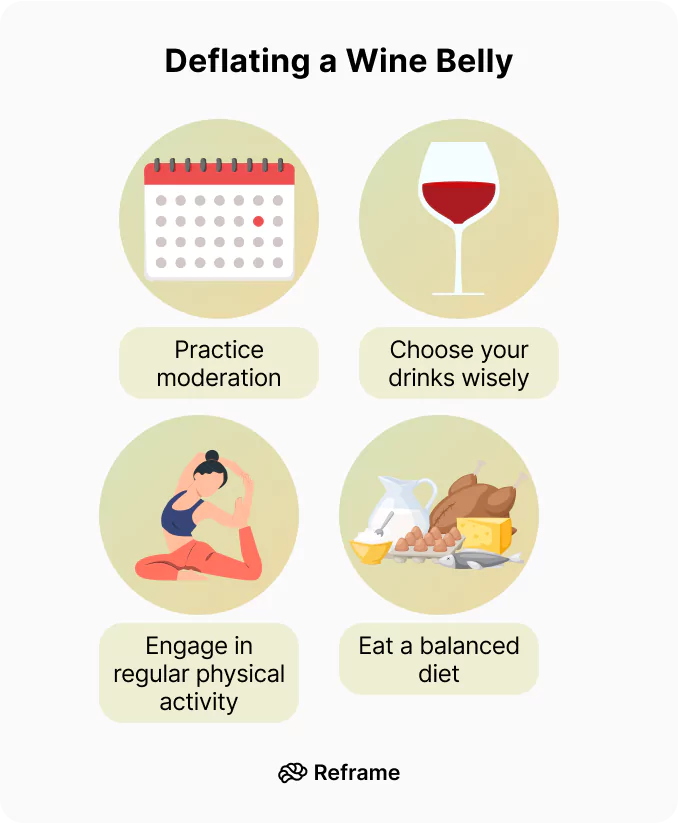
2. Limit your intake: Moderation is key when consuming alcohol on a ketogenic diet. Limit your intake to one or two drinks per sitting and avoid binge drinking, which can have a more significant impact on ketosis.
3. Plan ahead: If you know you will be consuming alcohol, plan your meals and snacks accordingly to stay within your daily carb limit. Focus on high-fat, low-carb options to help offset the potential impact of alcohol on ketosis.
4. Stay hydrated: Alcohol can dehydrate the body, so be sure to drink plenty of water before, during, and after consuming alcohol. Hydration is essential for overall health and can help mitigate the effects of alcohol on ketosis.
5. Monitor your ketone levels: If you regularly test your ketone levels using urine strips or a blood ketone meter, continue to monitor them when consuming alcohol. This can help you understand how alcohol affects your ketosis and make adjustments as needed.
FAQs
Q: Can I drink beer or wine on a ketogenic diet?
A: While beer and wine contain carbohydrates, you can still enjoy them in moderation on a ketogenic diet. Opt for light beers or dry wines with lower carb counts, and be mindful of portion sizes.
Q: Will alcohol kick me out of ketosis?
A: Alcohol consumption can temporarily halt fat burning and ketone production, but it is unlikely to kick you out of ketosis completely. Focus on low-carb options and moderate your intake to minimize its impact.
Q: How does alcohol affect weight loss on a ketogenic diet?
A: Alcohol contains empty calories and can disrupt fat metabolism, potentially slowing down weight loss on a ketogenic diet. Monitor your intake and make adjustments as needed to continue seeing progress.
Q: Can I drink on a ketogenic diet if I have a high tolerance?
A: Even individuals with a high tolerance for alcohol should exercise caution when consuming it on a ketogenic diet. Alcohol can still affect ketosis and weight loss, so moderation is key.
Conclusion
In conclusion, alcohol consumption can have an impact on ketosis and weight loss when following a ketogenic diet. While it is possible to enjoy alcohol in moderation, it is essential to be mindful of its effects and make informed choices to minimize its impact. By choosing low-carb options, limiting your intake, and staying hydrated, you can still enjoy a drink or two while maintaining ketosis. Remember to listen to your body, monitor your ketone levels, and make adjustments as needed to continue seeing progress on your ketogenic journey. Cheers to a healthy and balanced lifestyle!