
The keto diet and Exercise: How to Maximize Your Workouts
Introduction
The keto diet has gained popularity in recent years for its ability to help people lose weight and improve their overall health. This high-fat, low-carb diet has been shown to be effective in helping people shed excess pounds and improve their metabolic health. However, many people are unsure how to incorporate exercise into their keto lifestyle in order to maximize their workouts and see the best results. In this article, we will explore how to effectively combine the keto diet with exercise in order to achieve your fitness goals.
What is the keto diet?
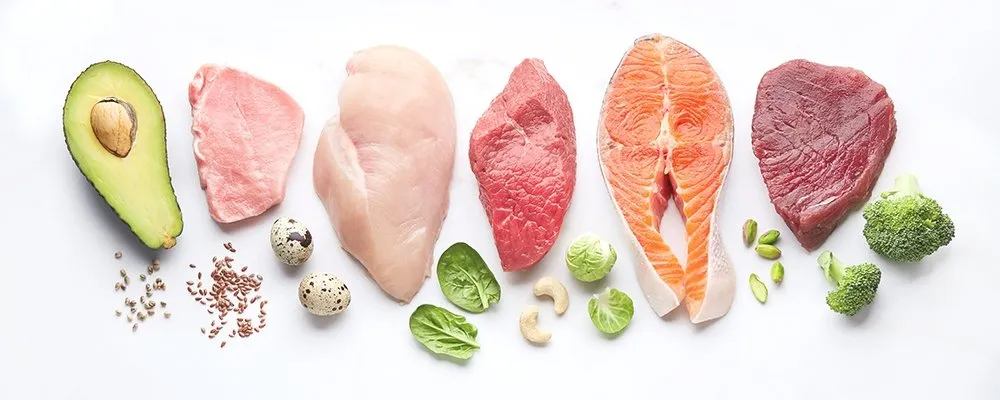
The ketogenic diet, or keto diet for short, is a high-fat, low-carb diet that has been shown to be effective in helping people lose weight and improve their overall health. The diet focuses on consuming foods that are high in fats and low in carbohydrates in order to put the body into a state of ketosis. Ketosis is a metabolic state in which the body burns fat for fuel instead of carbohydrates, leading to weight loss and improved energy levels.
On the keto diet, you will typically consume around 70-75% of your daily calories from fats, 20-25% from protein, and only 5-10% from carbohydrates. This means that you will need to cut out foods such as bread, pasta, rice, and sugary snacks in order to stay in ketosis.
How Does the keto diet Affect Exercise Performance?
Many people are concerned that following a keto diet may negatively impact their exercise performance. However, research has shown that the keto diet can actually improve athletic performance in some cases. When the body is in ketosis, it becomes more efficient at burning fat for fuel, which can help improve endurance and stamina during exercise.
Additionally, some studies have shown that the keto diet can help with weight loss, which can lead to improved performance in activities such as running, cycling, and weightlifting. However, it is important to note that everyone is different, and some people may experience a temporary decrease in performance when first starting the keto diet. This is often referred to as the “keto flu” and can include symptoms such as fatigue, headaches, and irritability. However, these symptoms typically subside after a few days as the body adjusts to using fat for fuel.
How to Maximize Your Workouts on the keto diet
If you are following the keto diet and want to maximize your workouts, there are a few key things to keep in mind. Here are some tips to help you get the most out of your exercise routine while on the keto diet:
1. Stay Hydrated: One of the most important things to remember when exercising on the keto diet is to stay hydrated. Dehydration can lead to decreased performance and can make it harder for your body to burn fat for fuel. Make sure to drink plenty of water before, during, and after your workouts to keep your body properly hydrated.
2. Eat Enough Protein: While the keto diet is high in fats, it is also important to make sure you are getting enough protein to support muscle growth and repair. Aim to consume around 1.2-1.7 grams of protein per kilogram of body weight per day to help maintain muscle mass and improve exercise performance.
3. Include Carbohydrates Around Your Workouts: While the keto diet is low in carbohydrates, it can be beneficial to include some carbs around your workouts to help fuel your muscles and improve performance. Consuming a small amount of carbs before or after your workouts can help replenish glycogen stores and provide your body with the energy it needs to perform at its best.
4. Focus on High-Intensity Workouts: High-intensity interval training (HIIT) can be particularly effective for people following the keto diet. HIIT workouts involve short bursts of intense exercise followed by periods of rest or low-intensity exercise. This type of workout can help improve fat burning and metabolic efficiency, making it a great option for those on the keto diet.
5. Listen to Your Body: It is important to listen to your body and adjust your workouts as needed while on the keto diet. If you are feeling fatigued or experiencing a decrease in performance, it may be a sign that you need to adjust your diet or training routine. Be sure to consult with a healthcare provider or fitness professional if you have any concerns about your exercise routine on the keto diet.
FAQs
Q: Can I build muscle on the keto diet?
A: Yes, it is possible to build muscle on the keto diet. Consuming enough protein and engaging in regular resistance training can help support muscle growth and repair. However, it may take longer to build muscle on the keto diet compared to a higher-carb diet due to the lower insulin levels and reduced glycogen stores.
Q: How can I prevent muscle loss on the keto diet?
A: To prevent muscle loss on the keto diet, it is important to consume enough protein and engage in regular resistance training. Protein is essential for muscle growth and repair, so be sure to include sources of protein such as meat, fish, eggs, and dairy in your diet. Additionally, incorporating resistance training exercises into your workout routine can help maintain muscle mass while on the keto diet.
Q: Is it safe to exercise while on the keto diet?
A: Yes, it is safe to exercise while on the keto diet. In fact, many people find that they have improved energy levels and endurance when exercising on the keto diet. However, it is important to listen to your body and adjust your workouts as needed. If you are experiencing any negative side effects or a decrease in performance, it may be a sign that you need to make adjustments to your diet or training routine.
Conclusion
In conclusion, the keto diet can be a great way to lose weight and improve your overall health. By following the tips outlined in this article, you can maximize your workouts and achieve your fitness goals while on the keto diet. Remember to stay hydrated, eat enough protein, include carbohydrates around your workouts, focus on high-intensity exercise, and listen to your body to ensure you are getting the most out of your workouts on the keto diet. With the right approach, you can see great results and enjoy improved performance and energy levels while following the keto diet.