The Lowdown on Keto Flu Symptoms: What to Expect and How to Cope
The ketogenic diet has gained immense popularity in recent years for its potential to promote weight loss and improve overall health. However, one common side effect that many people experience when starting the keto diet is the dreaded “keto flu.” Keto flu refers to a collection of symptoms that can occur when the body transitions from burning carbohydrates for fuel to burning fat instead. In this article, we will explore what keto flu is, what symptoms to expect, and how to cope with it.
What is Keto Flu?
Keto flu is a term used to describe the collection of symptoms that some people experience when they first start the ketogenic diet. The symptoms are typically temporary and usually subside within a week or two as the body adjusts to using fat for fuel instead of carbohydrates. Keto flu is not a true flu virus, but rather a set of symptoms that can mimic the flu.
The main cause of keto flu is the drastic reduction in carbohydrates in the diet. When you consume fewer carbs, your body goes into a state of ketosis, where it starts burning fat for fuel instead of glucose. This transition can cause a range of symptoms as your body adapts to using fat as its primary source of energy.
Symptoms of Keto Flu
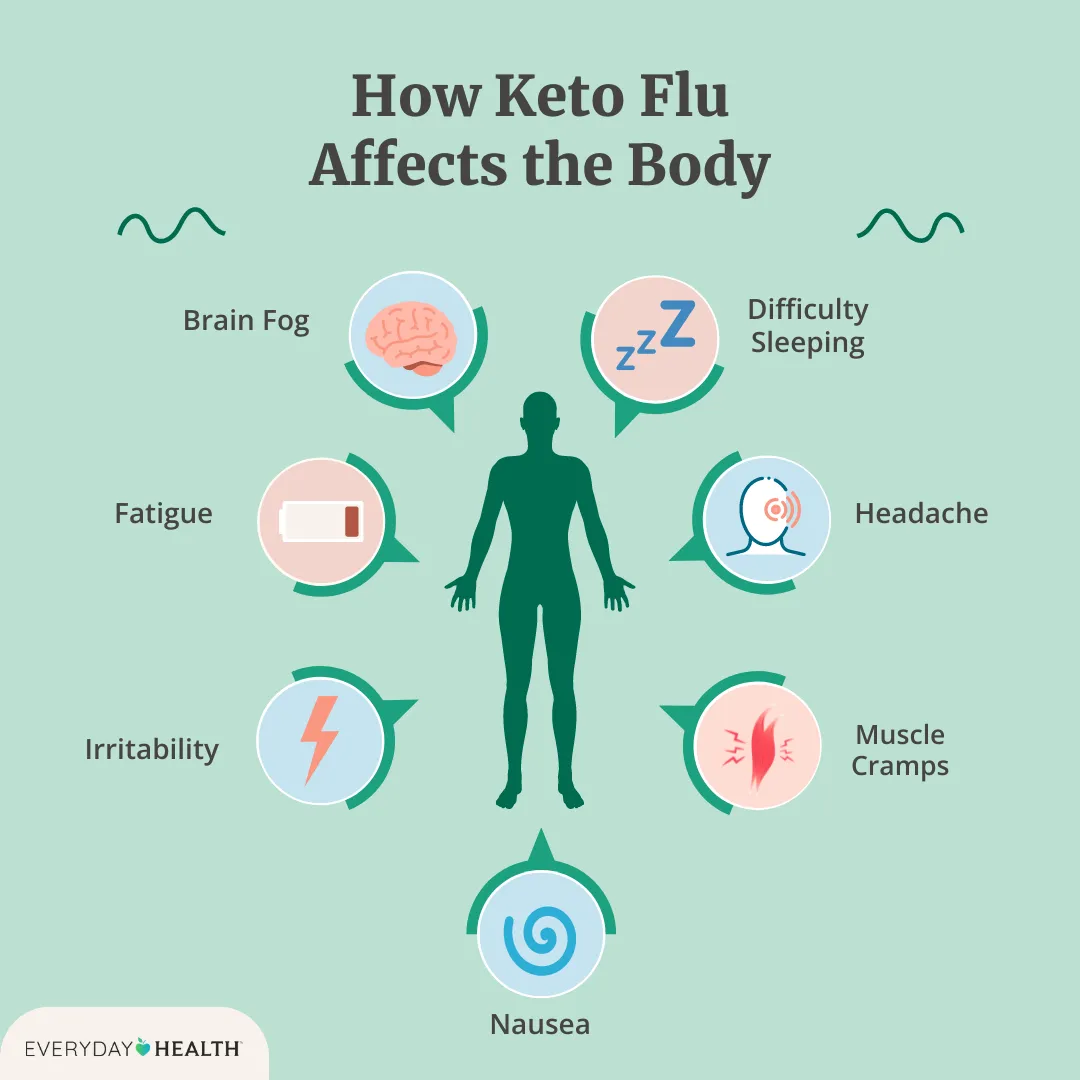
The symptoms of keto flu can vary from person to person, but some common ones include:
– Fatigue: Many people experience extreme tiredness and lack of energy when first starting the keto diet.
– Headaches: Some people may experience headaches as their body adjusts to the change in fuel source.
– Nausea: Nausea and stomach discomfort can occur as the body adapts to the new diet.
– Dizziness: Some people may feel lightheaded or dizzy as their body adjusts to the changes in fuel.
– Muscle cramps: Electrolyte imbalances can lead to muscle cramps and discomfort.
– Irritability: Changes in diet can affect mood and lead to irritability or mood swings.
– Difficulty concentrating: Some people may experience brain fog or difficulty focusing as their body adapts to the new diet.
How to Cope with Keto Flu
While keto flu can be unpleasant, there are several strategies you can use to help alleviate symptoms and make the transition to the ketogenic diet more comfortable:
– Stay hydrated: Drink plenty of water to help flush out toxins and keep your body hydrated.
– Increase electrolytes: Make sure to consume enough sodium, potassium, and magnesium to help prevent muscle cramps and other symptoms.
– Eat enough fat: Make sure to consume enough healthy fats to keep you feeling full and satisfied.
– Get enough sleep: Adequate rest is essential for your body to recover and adapt to the changes in diet.
– Gradually reduce carbs: If you are experiencing severe symptoms, you may want to gradually reduce your carb intake instead of cutting them out completely.
– Listen to your body: Pay attention to how you are feeling and adjust your diet and lifestyle accordingly.
– Consult a healthcare professional: If you are experiencing severe or persistent symptoms, it is important to consult a healthcare professional for guidance and support.
FAQs
Q: How long does keto flu last?
A: Keto flu typically lasts for about a week or two as the body adjusts to using fat for fuel. Symptoms usually subside as the body enters a state of ketosis.
Q: Can I prevent keto flu?
A: While it is difficult to completely prevent keto flu, you can help alleviate symptoms by staying hydrated, increasing electrolytes, and gradually reducing carbs.
Q: What are some keto-friendly foods to help with keto flu symptoms?
A: Some keto-friendly foods that can help alleviate symptoms of keto flu include avocado, nuts, seeds, and leafy greens.
Q: Can keto flu be dangerous?
A: While keto flu is generally not dangerous, severe symptoms can occur in some individuals. It is important to consult a healthcare professional if you are experiencing severe or persistent symptoms.
Q: How can I tell the difference between keto flu and the actual flu?
A: Keto flu symptoms are typically milder than those of the actual flu. If you are experiencing severe symptoms such as high fever, body aches, and respiratory symptoms, it is more likely to be the actual flu.
In conclusion, keto flu is a common side effect that many people experience when starting the ketogenic diet. By understanding what to expect and how to cope with symptoms, you can make the transition to the keto diet more comfortable and successful. Remember to stay hydrated, increase electrolytes, and listen to your body to help alleviate symptoms and make the most of your keto journey.