Fiber is an essential nutrient that is often overlooked when following a low-carb diet. Many people focus solely on reducing their carbohydrate intake, but fiber plays a crucial role in overall health and can have several surprising benefits when included in a low-carb diet. In this article, we will explore the importance of fiber, its benefits on a low-carb diet, and answer some frequently asked questions about fiber and low-carb diets.
What is Fiber?
Fiber is a type of carbohydrate that the body cannot digest. It is found in plant-based foods such as fruits, vegetables, whole grains, nuts, and seeds. There are two main types of fiber: soluble fiber, which dissolves in water, and insoluble fiber, which does not dissolve in water. Both types of fiber are important for overall health and can have numerous benefits when included in a low-carb diet.
The Surprising Benefits of Fiber on a Low-Carb Diet
1. Improved Digestive Health
Fiber plays a crucial role in digestive health by promoting regular bowel movements and preventing constipation. Soluble fiber helps to soften stool and make it easier to pass, while insoluble fiber adds bulk to stool and helps move it through the digestive tract. Including fiber in a low-carb diet can help prevent digestive issues such as constipation and bloating, and promote overall gut health.
2. Weight Management
Fiber is known to help with weight management by promoting feelings of fullness and reducing appetite. High-fiber foods take longer to digest, which can help control hunger and prevent overeating. Including fiber in a low-carb diet can help you feel satisfied and prevent cravings for high-carb, calorie-dense foods, ultimately leading to weight loss or weight maintenance.
3. Blood Sugar Control
Fiber plays a key role in regulating blood sugar levels by slowing down the absorption of sugar into the bloodstream. Soluble fiber can help stabilize blood sugar levels and prevent spikes and crashes, which is particularly important for individuals following a low-carb diet. Including fiber-rich foods in a low-carb diet can help prevent blood sugar fluctuations and improve insulin sensitivity.
4. Heart Health
Fiber has been shown to have numerous benefits for heart health, including lowering cholesterol levels, reducing inflammation, and improving blood pressure. Soluble fiber can help lower LDL cholesterol levels and reduce the risk of heart disease, while insoluble fiber can help lower blood pressure and reduce the risk of stroke. Including fiber in a low-carb diet can help improve heart health and reduce the risk of cardiovascular disease.
5. Improved Gut Microbiome
Fiber is known to promote the growth of beneficial bacteria in the gut, which can have numerous benefits for overall health. A healthy gut microbiome is essential for digestion, nutrient absorption, immune function, and mental health. Including fiber in a low-carb diet can help nourish the gut microbiome and promote a healthy balance of bacteria, leading to improved overall health and well-being.
Frequently Asked Questions about Fiber and Low-Carb Diets
Q: Can I get enough fiber on a low-carb diet?
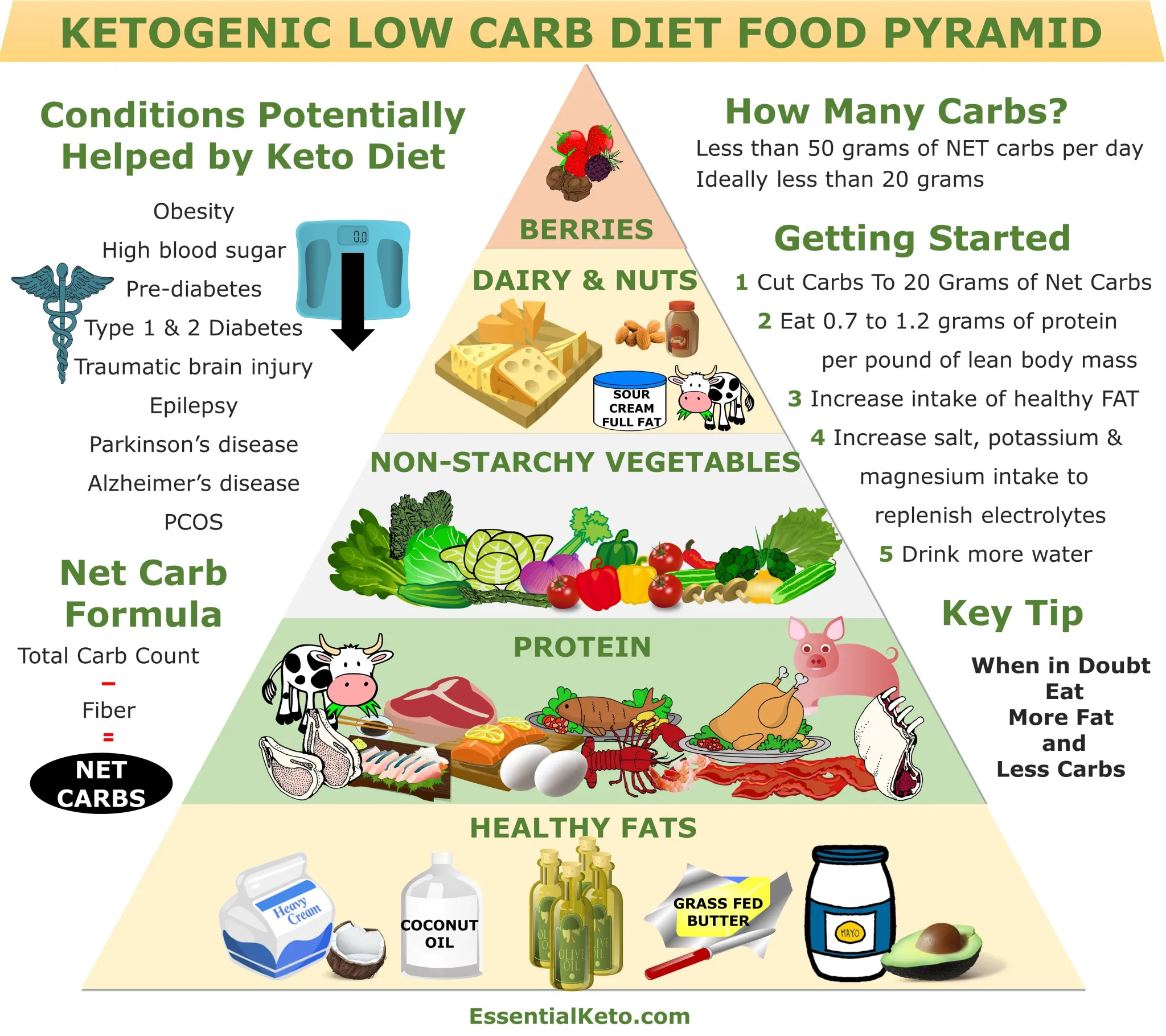
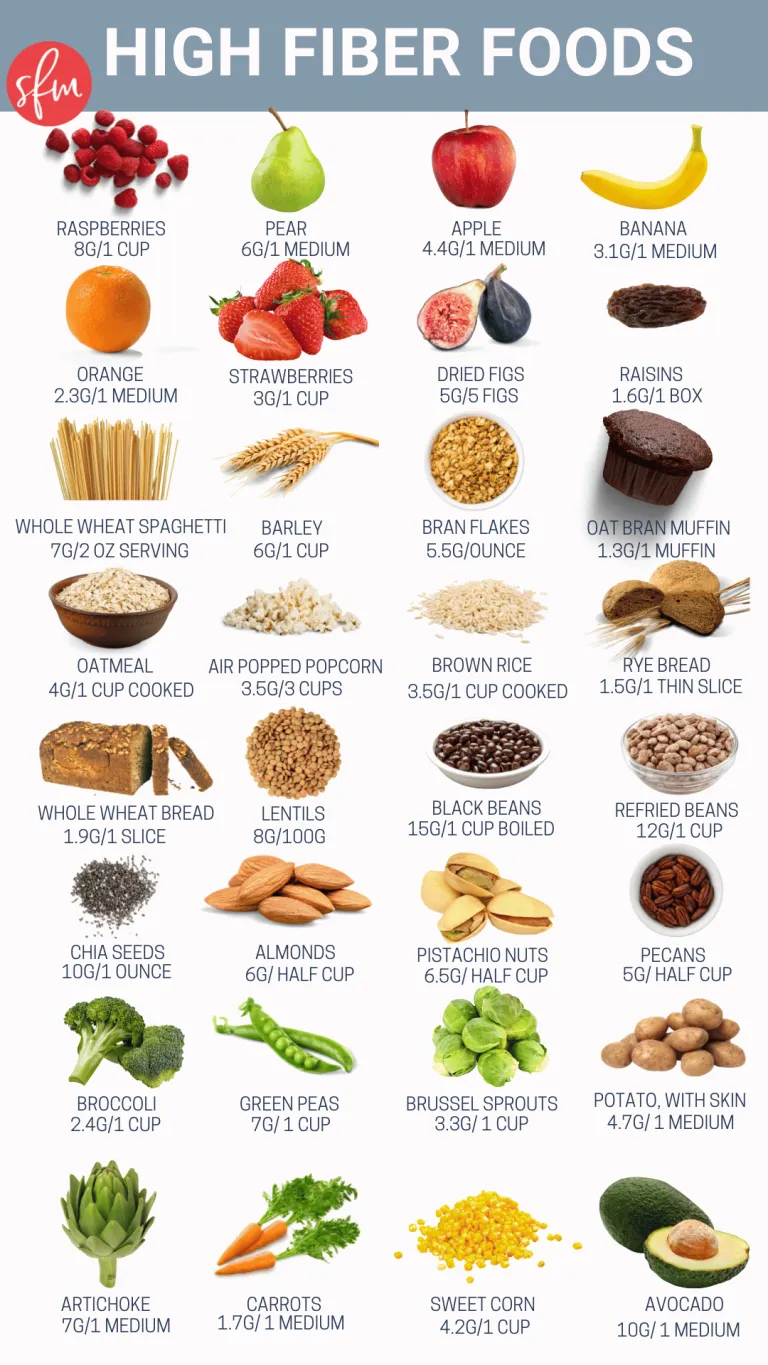
A: Yes, it is possible to get enough fiber on a low-carb diet by including a variety of fiber-rich foods such as vegetables, fruits, nuts, seeds, and whole grains. It is important to choose high-fiber, low-carb foods to ensure you are meeting your fiber needs while following a low-carb diet.
Q: How much fiber should I aim for on a low-carb diet?
A: The recommended daily intake of fiber is 25-30 grams for adults. It is important to aim for this amount of fiber when following a low-carb diet to ensure you are meeting your nutritional needs and reaping the benefits of fiber.
Q: Are there any side effects of increasing fiber intake on a low-carb diet?
A: Some people may experience digestive issues such as bloating, gas, or stomach cramps when increasing fiber intake, especially if they are not used to consuming high-fiber foods. It is important to gradually increase fiber intake and drink plenty of water to help prevent these side effects.
Q: Can I take fiber supplements on a low-carb diet?
A: While it is best to get fiber from whole foods, fiber supplements can be an option for some people to help meet their fiber needs on a low-carb diet. It is important to choose a high-quality, natural fiber supplement and follow the recommended dosage to avoid any potential side effects.
In conclusion, fiber is an essential nutrient that can have several surprising benefits when included in a low-carb diet. From improved digestive health to weight management, blood sugar control, heart health, and a healthy gut microbiome, fiber plays a crucial role in overall health and well-being. By including fiber-rich foods in a low-carb diet and meeting your daily fiber needs, you can reap the benefits of fiber and enjoy a healthier, more balanced diet.