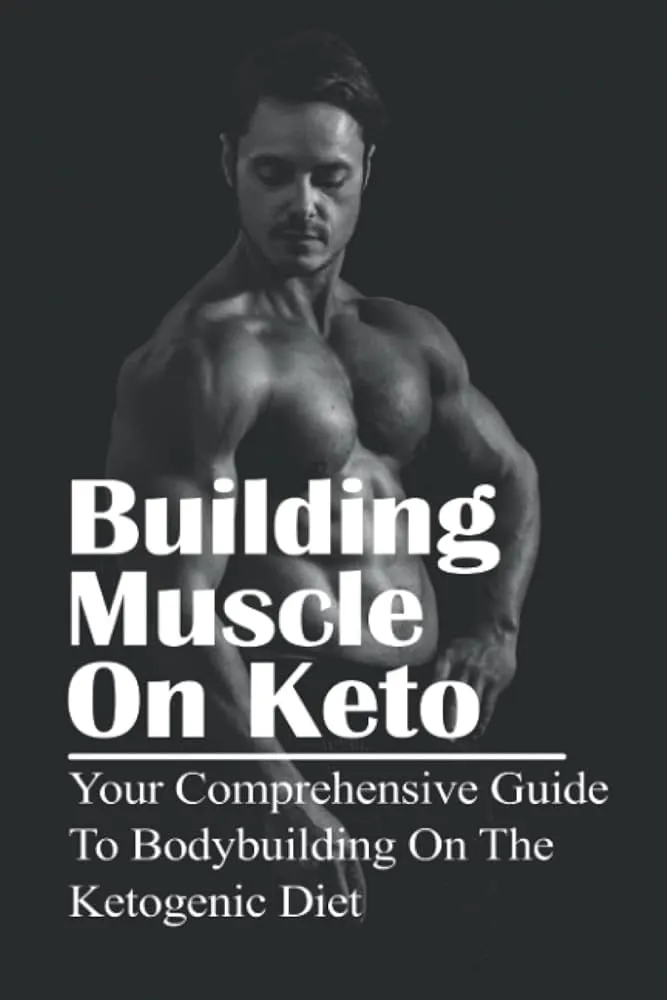
The Ultimate Guide to Building Muscle on a keto diet
Introduction
Building muscle on a keto diet may seem counterintuitive to some, as the traditional belief is that carbohydrates are necessary for muscle growth. However, with the right approach, it is absolutely possible to build muscle while following a ketogenic diet. In this comprehensive guide, we will explore the key principles of building muscle on a keto diet, including nutrition, exercise, supplementation, and recovery. We will also address common misconceptions and provide practical tips for maximizing muscle growth on a ketogenic diet.
Nutrition
The ketogenic diet is a high-fat, moderate-protein, low-carbohydrate diet that is designed to put the body into a state of ketosis, where it burns fat for fuel instead of glucose. This can be a highly effective way to lose weight and improve metabolic health, but it can also be a powerful tool for building muscle.
Protein
Protein is essential for muscle growth, repair, and maintenance. While the keto diet is not a high-protein diet like some other muscle-building diets, it is still important to consume an adequate amount of protein to support muscle growth. Aim for around 1.2-1.7 grams of protein per kilogram of body weight per day, depending on your activity level and muscle-building goals.
Sources of protein on a keto diet include meat, poultry, fish, eggs, and dairy products. Protein shakes and bars can also be convenient options for increasing protein intake. Be sure to choose high-quality, minimally processed sources of protein to support muscle growth and overall health.
Fat
Fat is the primary fuel source on a keto diet, providing sustained energy for workouts and muscle recovery. Including healthy fats in your diet can also help to support hormonal balance, reduce inflammation, and improve overall health. Good sources of healthy fats on a keto diet include avocados, nuts, seeds, olive oil, and coconut oil.
Carbohydrates
While the keto diet is low in carbohydrates, it is still important to include some carbohydrates in your diet to support muscle glycogen stores and provide energy for intense workouts. Aim to consume around 20-50 grams of carbohydrates per day from non-starchy vegetables, nuts, seeds, and low-sugar fruits like berries.
Timing
Timing your meals and snacks around your workouts can help to optimize muscle growth and recovery on a keto diet. Aim to consume a combination of protein and carbohydrates within 30 minutes to 2 hours of finishing your workout to replenish glycogen stores and support muscle repair. Eating a meal or snack with protein before bed can also help to promote muscle growth and recovery overnight.
Supplementation
While a well-balanced keto diet can provide all the nutrients you need for muscle growth, some supplements may be helpful for optimizing performance and recovery. Here are a few supplements to consider adding to your regimen:
Creatine: Creatine is a naturally occurring compound that helps to increase muscle energy production, improve strength, and enhance muscle growth. Taking 3-5 grams of creatine monohydrate per day can help to support muscle growth on a keto diet.
Branched-chain amino acids (BCAAs): BCAAs are essential amino acids that are important for muscle protein synthesis, recovery, and growth. Taking BCAAs before or after workouts can help to support muscle growth and reduce muscle soreness.
Beta-alanine: Beta-alanine is an amino acid that helps to increase muscle endurance, reduce fatigue, and improve workout performance. Taking 2-5 grams of beta-alanine per day can help to support muscle growth on a keto diet.
FAQs
Q: Can you build muscle on a keto diet?
A: Yes, it is absolutely possible to build muscle on a keto diet with the right approach to nutrition, exercise, supplementation, and recovery. By following the principles outlined in this guide, you can effectively support muscle growth while following a ketogenic diet.
Q: How much protein should I consume on a keto diet for muscle growth?
A: Aim for around 1.2-1.7 grams of protein per kilogram of body weight per day to support muscle growth on a keto diet. Adjust your protein intake based on your activity level, muscle-building goals, and individual needs.
Q: Should I cycle in and out of ketosis to build muscle?
A: While some people may benefit from cycling in and out of ketosis for muscle-building purposes, it is not necessary for everyone. If you prefer to stay in a state of ketosis for the majority of the time, you can still build muscle effectively by following the principles outlined in this guide.
Q: Can I still consume carbohydrates on a keto diet for muscle growth?
A: Yes, it is important to include some carbohydrates in your diet to support muscle glycogen stores and provide energy for intense workouts on a keto diet. Aim to consume around 20-50 grams of carbohydrates per day from non-starchy vegetables, nuts, seeds, and low-sugar fruits.
Conclusion
Building muscle on a keto diet requires a strategic approach to nutrition, exercise, supplementation, and recovery. By following the principles outlined in this guide, you can effectively support muscle growth while following a ketogenic diet. Remember to prioritize protein, include healthy fats, consume some carbohydrates, time your meals around workouts, and consider adding supplements to optimize muscle growth and performance. With consistency, dedication, and patience, you can achieve your muscle-building goals on a keto diet.