The Ultimate Guide to Keto Weight Loss: Everything You Need to Know
Introduction
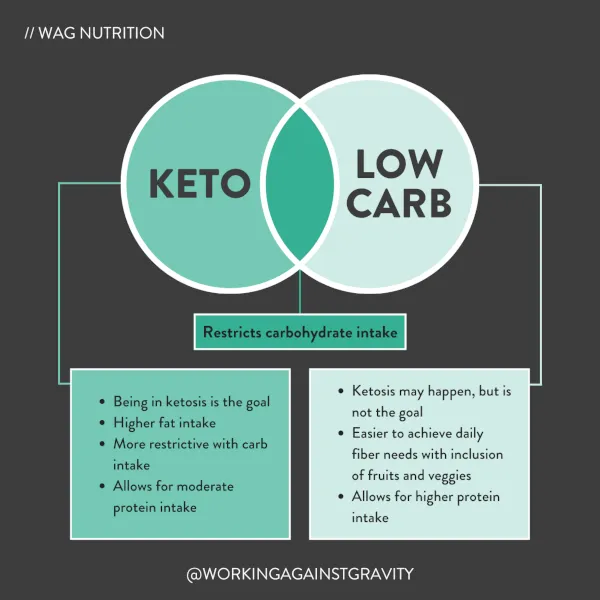
Keto, short for ketogenic, is a popular diet that has gained widespread attention for its effectiveness in promoting weight loss. The keto diet is a low-carb, high-fat diet that involves drastically reducing your carbohydrate intake and replacing it with healthy fats. This forces your body to enter a state of ketosis, where it burns fat for fuel instead of carbohydrates. In this article, we will explore everything you need to know about keto weight loss, including how it works, the benefits and potential risks, tips for success, and a FAQ section to address common questions and concerns.
How Does Keto Weight Loss Work?
The keto diet works by drastically reducing your carbohydrate intake and increasing your consumption of healthy fats. When you restrict your carb intake, your body is forced to burn fat for fuel instead of glucose. This process, known as ketosis, can lead to rapid weight loss as your body breaks down stored fat for energy.
To achieve ketosis, you typically need to consume less than 50 grams of carbohydrates per day. This means cutting out sugary foods, grains, and starchy vegetables, and focusing on high-fat, low-carb foods like avocados, nuts, seeds, and fatty fish. By following a strict keto diet, you can train your body to become a fat-burning machine and shed excess pounds.
Benefits of Keto Weight Loss
There are many benefits to following a keto diet for weight loss, including:
1. Rapid weight loss: By entering ketosis, your body burns fat for fuel, leading to quick and noticeable weight loss.
2. Reduced appetite: The high-fat content of the keto diet can help keep you feeling full and satisfied, reducing cravings and overeating.
3. Improved energy levels: Many people report feeling more energized and focused on a keto diet, as their bodies are no longer relying on carbs for energy.
4. Better blood sugar control: The keto diet can help stabilize blood sugar levels and reduce insulin resistance, which may be beneficial for people with diabetes or prediabetes.
5. Improved cholesterol levels: Some studies have shown that the keto diet can lead to improvements in cholesterol levels, including increased HDL (good) cholesterol and decreased LDL (bad) cholesterol.
Risks of Keto Weight Loss
While the keto diet can be an effective way to lose weight, it is not without its risks. Some potential risks of following a keto diet for weight loss include:
1. Nutrient deficiencies: Cutting out certain food groups like fruits, grains, and legumes can lead to nutrient deficiencies if you’re not careful to include a variety of nutrient-dense foods in your diet.
2. Keto flu: Some people experience flu-like symptoms when first starting a keto diet, including fatigue, headaches, and irritability. These symptoms usually subside after a few days as your body adjusts to burning fat for fuel.
3. Digestive issues: The high-fat content of the keto diet can sometimes cause digestive issues like constipation or diarrhea, especially if you’re not getting enough fiber from vegetables and other sources.
4. Potential long-term health effects: Some experts have raised concerns about the potential long-term effects of following a high-fat, low-carb diet, including increased risk of heart disease and other chronic conditions.
Tips for Success on Keto Weight Loss
If you’re considering trying the keto diet for weight loss, here are some tips to help you succeed:
1. Plan ahead: Stock your kitchen with keto-friendly foods like avocados, nuts, seeds, and fatty fish, and plan your meals in advance to ensure you’re getting the right balance of nutrients.
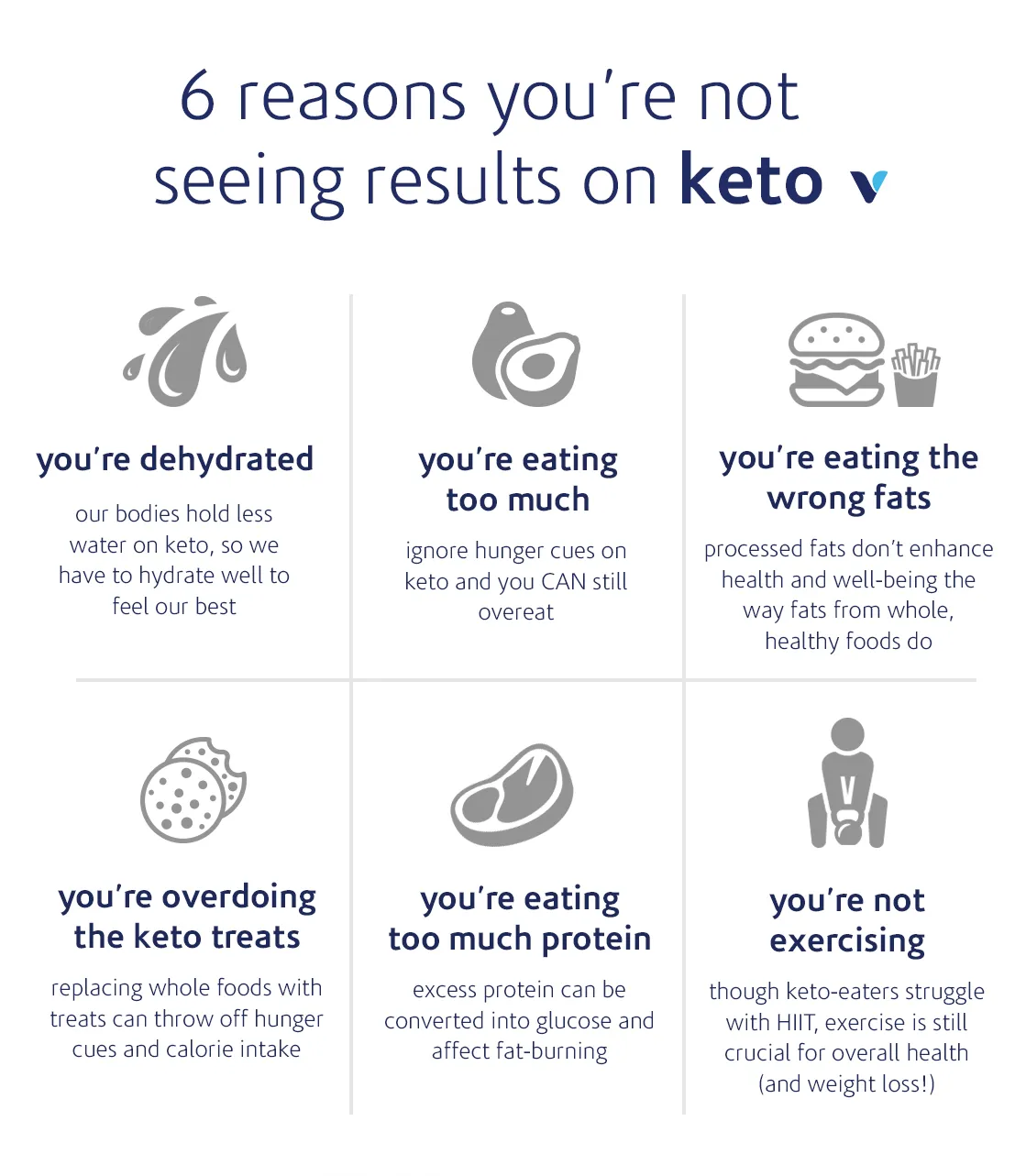
2. Stay hydrated: Drinking plenty of water is important on a keto diet, as it can help prevent dehydration and support your body’s fat-burning processes.
3. Monitor your macros: Tracking your macronutrient intake (carbs, fats, and proteins) can help you stay on track and ensure you’re in ketosis.
4. Listen to your body: Pay attention to how you feel on the keto diet and make adjustments as needed to ensure you’re getting the nutrients your body needs.
5. Be patient: Weight loss on a keto diet can vary from person to person, so be patient and consistent with your diet and exercise routine.
FAQs
Q: Is the keto diet safe for everyone?
A: The keto diet is generally safe for most people, but it may not be suitable for everyone, especially those with certain medical conditions like diabetes or high blood pressure. It’s always best to consult with a healthcare provider before starting a new diet to ensure it’s safe for you.
Q: Can I exercise on a keto diet?
A: Yes, you can exercise on a keto diet, but it may take some time for your body to adjust to using fat for fuel instead of carbs. Some people find that their performance initially suffers on a keto diet, but over time, many report increased endurance and energy levels during workouts.
Q: Will I gain weight back once I stop the keto diet?
A: Many people do gain weight back once they stop the keto diet, especially if they return to their previous eating habits. To maintain weight loss long-term, it’s important to adopt healthy eating and exercise habits that you can stick with even after you’ve reached your goal weight.
Q: Are there any side effects of the keto diet?
A: Some people may experience side effects when first starting a keto diet, including the keto flu, digestive issues, and changes in mood or energy levels. These side effects are usually temporary and can be minimized by staying hydrated, getting enough electrolytes, and eating a well-balanced diet.
Q: How long does it take to see results on a keto diet?
A: The timeline for weight loss on a keto diet can vary from person to person, but many people start to see results within the first few weeks of starting the diet. Some people may experience rapid weight loss initially, followed by a plateau or slower progress as their bodies adjust to burning fat for fuel.
Conclusion
The keto diet can be an effective way to lose weight and improve your overall health, but it’s important to approach it with caution and make sure you’re getting the nutrients your body needs. By following the tips and guidelines in this article, you can maximize your chances of success on a keto diet and achieve your weight loss goals. Remember to consult with a healthcare provider before starting any new diet or exercise program, and listen to your body to ensure you’re getting the support you need to thrive on a keto diet. With dedication and persistence, you can harness the power of ketosis to transform your body and achieve lasting weight loss success.