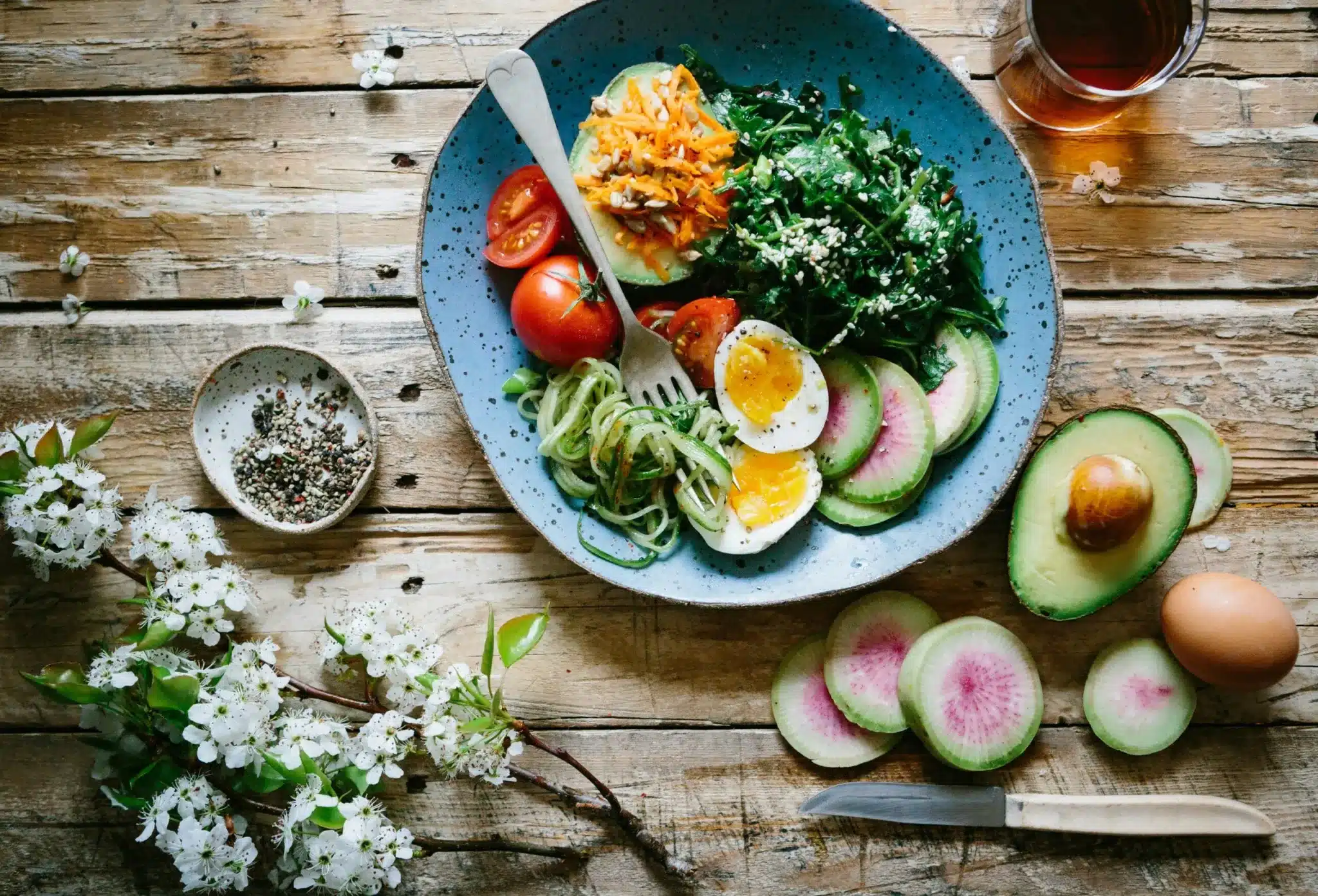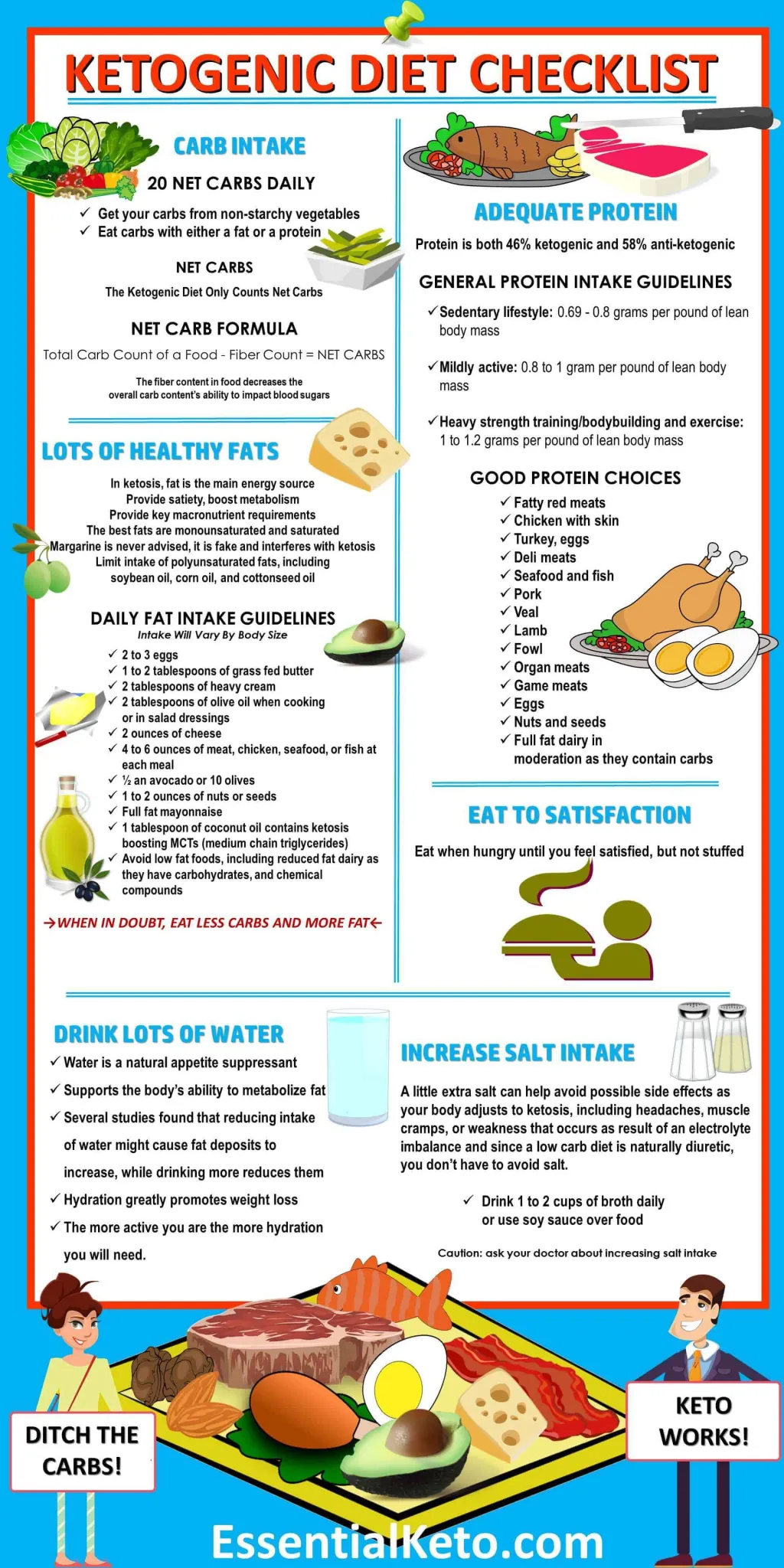
The popularity of the vegan keto diet has been on the rise in recent years, as more people are looking for a way to follow a low-carb, high-fat diet while still maintaining a plant-based lifestyle. While the traditional keto diet focuses on consuming animal products such as meat, eggs, and dairy, the vegan keto diet eliminates these foods and instead relies on plant-based alternatives.
Following a vegan keto diet can be challenging, as it requires careful planning to ensure you are getting all the essential nutrients your body needs. However, with the right foods, it is possible to follow a vegan keto diet and still enjoy delicious and satisfying meals.
In this article, we will explore the top 10 vegan keto-friendly foods that you can add to your diet to help you stay on track and reach your health and wellness goals.
1. Avocados
Avocados are a staple in the vegan keto diet, as they are high in healthy fats and low in carbs. They are also a good source of fiber, vitamins, and minerals, making them a nutritious addition to any meal. Avocados can be enjoyed on their own, mashed into guacamole, or added to salads and smoothies.
2. Nuts and seeds
Nuts and seeds are another great source of healthy fats and protein on a vegan keto diet. Almonds, walnuts, chia seeds, and flaxseeds are all excellent options that can be enjoyed as a snack or added to salads, soups, and baked goods.
3. Coconut oil
Coconut oil is a versatile cooking oil that is high in saturated fats, making it a great option for the vegan keto diet. It can be used for sautéing, baking, and roasting, and can also be added to smoothies and coffee for an extra boost of energy.
4. Leafy greens
Leafy greens such as spinach, kale, and arugula are low in carbs and high in fiber, vitamins, and minerals. They can be enjoyed raw in salads or cooked in soups and stir-fries to add a nutrient boost to your meals.
5. Tofu and tempeh
Tofu and tempeh are plant-based sources of protein that are low in carbs and can be easily incorporated into a variety of dishes. They can be marinated and grilled, stir-fried with vegetables, or added to soups and curries for a delicious and filling meal.
6. Cauliflower
Cauliflower is a versatile vegetable that can be used as a low-carb substitute for rice, potatoes, and even pizza crust. It is high in fiber, vitamins, and minerals, making it a great addition to the vegan keto diet.
7. Berries
Berries such as strawberries, blueberries, and raspberries are low in carbs and high in antioxidants, making them a great option for a sweet treat on a vegan keto diet. They can be enjoyed on their own, added to smoothies, or used as a topping for yogurt or chia pudding.
8. Plant-based protein powders
Plant-based protein powders such as pea, rice, and hemp protein are convenient options for adding extra protein to your diet without the need for animal products. They can be mixed into smoothies, baked goods, and energy balls for a quick and easy protein boost.
9. Seaweed
Seaweed is a nutrient-dense food that is low in carbs and high in vitamins and minerals. It can be enjoyed as a snack on its own, added to salads and soups, or used as a wrap for sushi rolls to add a unique flavor and texture to your meals.
10. Nutritional yeast
Nutritional yeast is a vegan-friendly seasoning that is high in protein and essential nutrients such as B vitamins. It has a cheesy flavor that can be sprinkled on popcorn, pasta, or roasted vegetables for a delicious and savory twist.
FAQs
Q: Is it possible to get enough protein on a vegan keto diet?
A: Yes, it is possible to get enough protein on a vegan keto diet by incorporating plant-based sources of protein such as tofu, tempeh, nuts, seeds, and plant-based protein powders into your meals.
Q: Can I eat fruit on a vegan keto diet?
A: While fruit is generally higher in carbs than other foods on a keto diet, small amounts of berries can be enjoyed in moderation on a vegan keto diet.
Q: How can I ensure I am getting all the essential nutrients on a vegan keto diet?
A: To ensure you are getting all the essential nutrients your body needs on a vegan keto diet, it is important to eat a variety of foods such as leafy greens, nuts, seeds, and plant-based protein sources. You may also consider taking a vegan-friendly multivitamin to fill any potential nutrient gaps.
Q: Is it necessary to track macros on a vegan keto diet?
A: Tracking macros (carbs, fats, and proteins) can be helpful in ensuring you are staying within the recommended ranges for a vegan keto diet. However, listening to your body and eating intuitively can also be effective in maintaining a healthy balance of nutrients.
In conclusion, the vegan keto diet can be a healthy and sustainable way to achieve your health and wellness goals while following a plant-based lifestyle. By incorporating these top 10 vegan keto-friendly foods into your diet and following the tips in the FAQs section, you can enjoy delicious and satisfying meals that support your overall health and well-being.