
Transform Your Diet with These Keto Food Swaps
The ketogenic diet has become increasingly popular in recent years due to its effectiveness in helping individuals lose weight, improve their overall health, and increase their energy levels. This high-fat, low-carb diet works by forcing the body to burn fat for fuel instead of carbohydrates, which can lead to rapid weight loss and improved metabolic health.
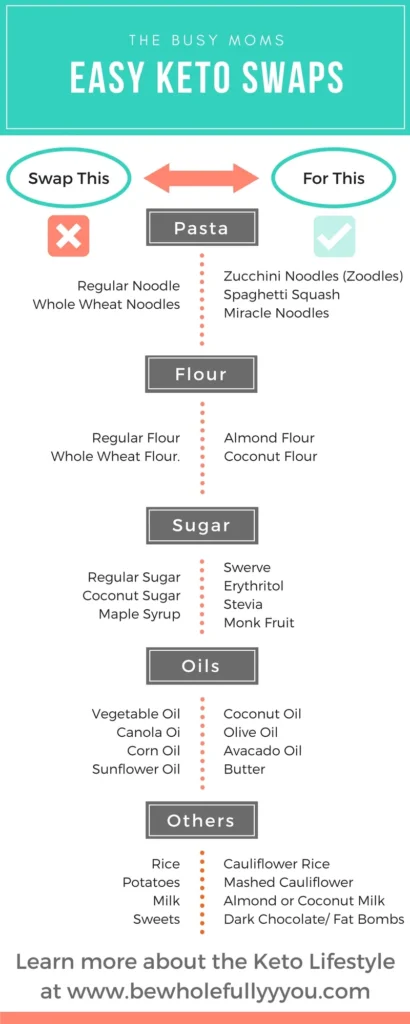
One of the key components of the ketogenic diet is making smart food choices that are high in healthy fats and low in carbohydrates. By swapping out traditional high-carb foods for keto-friendly alternatives, you can easily transform your diet and start reaping the benefits of this powerful eating plan. In this article, we’ll explore some of the best keto food swaps to help you get started on your ketogenic journey.
Keto Food Swaps
1. Swap out bread for cloud bread
Bread is a staple in many people’s diets, but it’s also one of the biggest sources of carbohydrates. Instead of traditional bread, try making cloud bread, which is a keto-friendly alternative made from eggs, cream cheese, and cream of tartar. Cloud bread is low in carbs and can be used as a substitute for sandwiches, burgers, or toast.
2. Replace pasta with zucchini noodles
Pasta is another high-carb food that can sabotage your ketogenic efforts. Instead of traditional pasta, try using zucchini noodles, also known as zoodles. Zucchini noodles are low in carbs and can be used in place of pasta in your favorite pasta dishes. You can also try other vegetable noodles such as spaghetti squash or shirataki noodles.
3. Swap out rice for cauliflower rice
Rice is a high-carb food that can quickly derail your ketogenic diet. Instead of rice, try using cauliflower rice, which is made by grating cauliflower into small pieces that resemble rice. Cauliflower rice is low in carbs and can be used in place of rice in dishes like stir-fries, fried rice, or risottos.
4. Replace sugary snacks with nuts and seeds
Snacking on sugary treats is a common habit that can prevent you from reaching your keto goals. Instead of sugary snacks, try snacking on nuts and seeds, which are high in healthy fats and low in carbs. Nuts like almonds, walnuts, and macadamia nuts are great options for keto-friendly snacking.
5. Swap out sugary drinks for water or unsweetened tea
Sugary drinks like soda, juice, and sweetened tea are loaded with carbohydrates that can kick you out of ketosis. Instead of sugary drinks, try drinking water or unsweetened tea to stay hydrated and on track with your ketogenic diet. Adding a squeeze of lemon or lime can add flavor to your water without adding carbs.
6. Replace high-carb fruits with berries
Fruits are a natural source of carbohydrates, but some fruits are higher in carbs than others. Instead of high-carb fruits like bananas, apples, or grapes, try eating berries like strawberries, blueberries, and raspberries, which are lower in carbs and high in antioxidants. Berries can be enjoyed on their own or added to yogurt, smoothies, or salads.
7. Swap out high-carb condiments for keto-friendly options
Condiments like ketchup, barbecue sauce, and salad dressings can be loaded with sugar and carbs. Instead of high-carb condiments, try using keto-friendly options like mayonnaise, mustard, hot sauce, or olive oil. These condiments are low in carbs and can add flavor to your meals without sabotaging your ketogenic efforts.
FAQs
Q: Is the ketogenic diet safe for everyone?
A: The ketogenic diet is generally safe for most people, but it may not be suitable for individuals with certain medical conditions or dietary restrictions. It’s always best to consult with a healthcare provider before starting any new diet plan, especially if you have underlying health issues.
Q: How long does it take to get into ketosis?
A: The time it takes to get into ketosis can vary from person to person, but most people can enter ketosis within a few days to a week of following a strict ketogenic diet. Factors like carb intake, activity level, and individual metabolism can affect how quickly you enter ketosis.
Q: Can I eat unlimited amounts of fat on the ketogenic diet?
A: While the ketogenic diet is high in fat, it’s important to remember that calories still matter when it comes to weight loss. Eating excessive amounts of fat can prevent you from losing weight or even cause weight gain. It’s important to focus on eating healthy fats in moderation while following a ketogenic diet.
Q: Are there any side effects of the ketogenic diet?
A: Some people may experience side effects when starting the ketogenic diet, also known as the “keto flu.” Symptoms can include fatigue, headache, irritability, and dizziness. These side effects are usually temporary and can be minimized by staying hydrated, getting enough electrolytes, and gradually transitioning to a ketogenic diet.
Q: Can I exercise on the ketogenic diet?
A: Yes, you can exercise on the ketogenic diet. In fact, many people find that they have increased energy levels and improved performance during workouts when following a ketogenic diet. It’s important to listen to your body, stay hydrated, and replenish electrolytes to support your exercise routine while on the ketogenic diet.
In conclusion, making smart food swaps can help you transform your diet and start reaping the benefits of the ketogenic diet. By replacing high-carb foods with keto-friendly alternatives, you can easily stay on track with your ketogenic goals and improve your overall health. Remember to consult with a healthcare provider before starting any new diet plan and listen to your body’s signals to make adjustments as needed. With these keto food swaps and tips, you’ll be well on your way to a healthier, happier you.