Uncomfortable Truth: Dealing with Itchy Skin in Menopause
Menopause is a natural phase in a woman’s life, marking the end of her reproductive years. It typically occurs in women between the ages of 45 and 55, although some women may experience menopause earlier or later. Menopause is characterized by a decline in estrogen levels, which can lead to a variety of symptoms, including hot flashes, mood swings, and changes in skin texture.
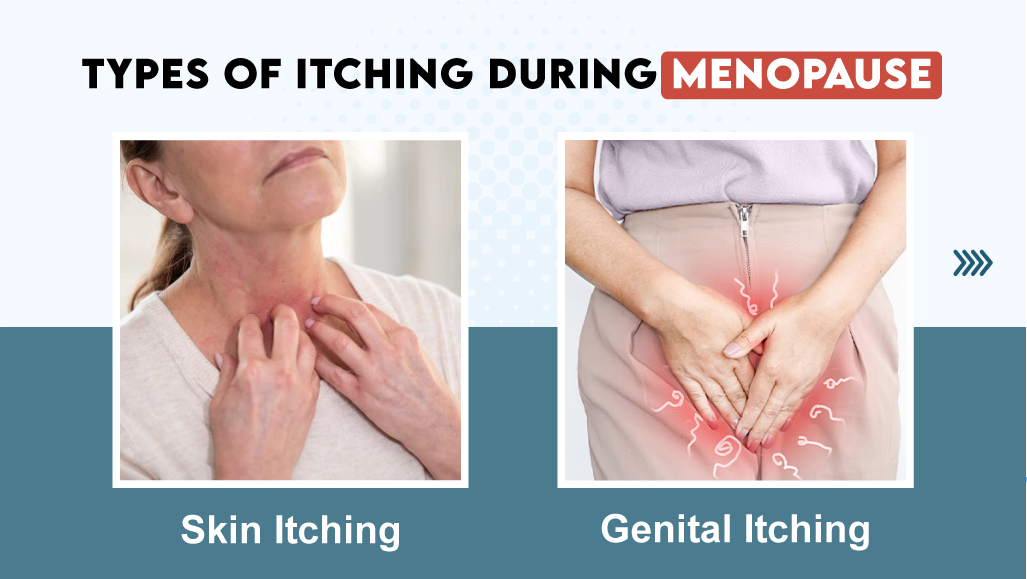
One common symptom of menopause that many women experience is itchy skin. Itchy skin can be a frustrating and uncomfortable problem to deal with, but there are ways to manage it and find relief. In this article, we will explore the causes of itchy skin in menopause, as well as strategies for dealing with this uncomfortable symptom.
Causes of Itchy Skin in Menopause
There are several factors that can contribute to itchy skin during menopause. One of the main culprits is the decline in estrogen levels that occurs during this phase of life. Estrogen plays a key role in maintaining the skin’s elasticity and moisture levels, so when estrogen levels drop, the skin can become dry and irritated, leading to itching.
In addition to hormonal changes, other factors can also contribute to itchy skin in menopause. These can include:
– Changes in the skin’s pH levels: Menopausal women may experience changes in the pH levels of their skin, which can lead to dryness and itching.
– Environmental factors: Dry air, harsh weather conditions, and exposure to irritants like harsh soaps or chemicals can all contribute to itchy skin.
– Stress: Menopause can be a stressful time for many women, and stress can exacerbate skin issues like itching.
– Medical conditions: Some medical conditions, such as eczema or psoriasis, can cause itchy skin, and menopause may exacerbate these conditions.
Dealing with Itchy Skin in Menopause
If you are experiencing itchy skin during menopause, there are several strategies you can try to find relief. Here are some tips for managing itchy skin:
1. Moisturize regularly: Keeping your skin well-hydrated is key to preventing dryness and itching. Use a rich, emollient moisturizer daily, especially after bathing or showering.
2. Use gentle skincare products: Avoid using harsh soaps or cleansers that can strip the skin of its natural oils. Opt for gentle, fragrance-free products that are designed for sensitive skin.
3. Avoid hot showers: Hot water can strip the skin of its natural oils, leading to dryness and itching. Instead, use lukewarm water when bathing or showering, and limit your time in the water.
4. Wear breathable fabrics: Choose clothing made from natural, breathable fabrics like cotton or linen, which are less likely to irritate the skin.
5. Manage stress: Stress can exacerbate skin issues like itching, so finding ways to manage stress, such as meditation, yoga, or deep breathing exercises, can help.
6. Avoid scratching: Although it may be tempting to scratch itchy skin, this can actually make the problem worse. Instead, try applying a cold compress or using a gentle moisturizer to soothe the itch.
7. See a dermatologist: If your itchy skin is severe or persistent, it may be a good idea to see a dermatologist for further evaluation and treatment.
Frequently Asked Questions
Q: Can menopause cause hives or rashes on the skin?
A: Yes, menopause can sometimes trigger hives or rashes on the skin. These may be due to hormonal changes, stress, or other factors. If you are experiencing hives or rashes, it is important to see a dermatologist for a proper diagnosis and treatment.
Q: Are there any specific foods that can help alleviate itchy skin during menopause?
A: Some foods, such as those high in omega-3 fatty acids, antioxidants, and vitamins A, C, and E, may help support skin health and reduce itching. Incorporating foods like fatty fish, nuts, seeds, fruits, and vegetables into your diet may be beneficial.
Q: Can hormone replacement therapy (HRT) help with itchy skin in menopause?
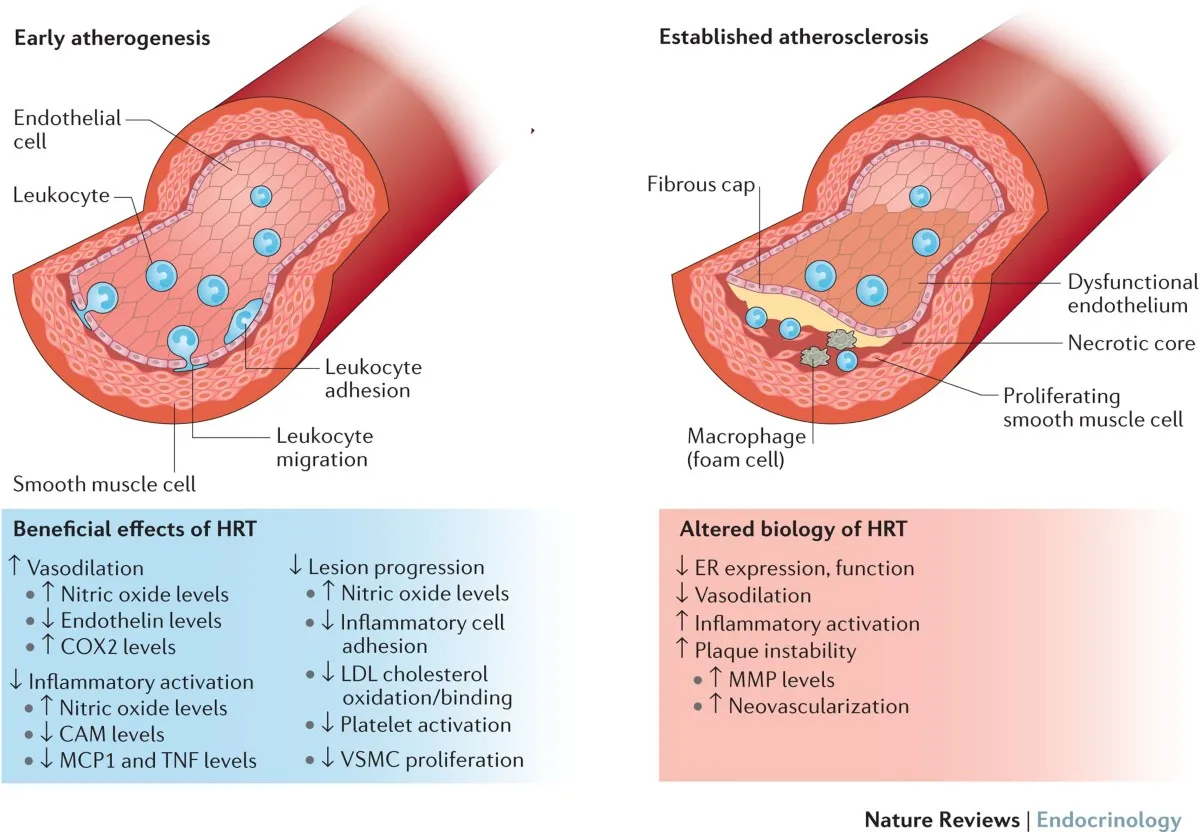
A: Hormone replacement therapy (HRT) can help alleviate some menopausal symptoms, including dry skin and itching. However, HRT is not suitable for everyone, and it is important to discuss the risks and benefits with your healthcare provider before starting this treatment.
Q: Are there any natural remedies that can help with itchy skin in menopause?
A: Some natural remedies that may help with itchy skin in menopause include oatmeal baths, coconut oil, aloe vera gel, and chamomile tea compresses. However, it is important to consult with a healthcare provider before trying any new remedies, especially if you have underlying medical conditions.
In conclusion, itchy skin is a common and uncomfortable symptom that many women experience during menopause. By understanding the causes of itchy skin and implementing strategies to manage it, you can find relief and improve the health of your skin during this phase of life. If you are struggling with itchy skin, don’t hesitate to seek help from a dermatologist or healthcare provider to find the best treatment options for your individual needs.