Menopause is a natural biological process that every woman goes through as she ages. It typically occurs in women between the ages of 45 and 55, although the exact age at which menopause begins can vary. During this time, a woman’s ovaries stop producing eggs and her body produces less estrogen and progesterone. This hormonal shift can lead to a variety of symptoms, including hot flashes, night sweats, mood swings, and vaginal dryness.
Hormone replacement therapy (HRT) is a treatment option that can help alleviate some of the symptoms of menopause by replacing the hormones that the body is no longer producing. HRT can be taken in the form of pills, patches, creams, or gels, and can be used to treat a variety of menopausal symptoms. In this article, we will explore the benefits and risks of hormone replacement therapy for menopause, as well as answer some frequently asked questions about this treatment option.
Benefits of Hormone Replacement Therapy for Menopause
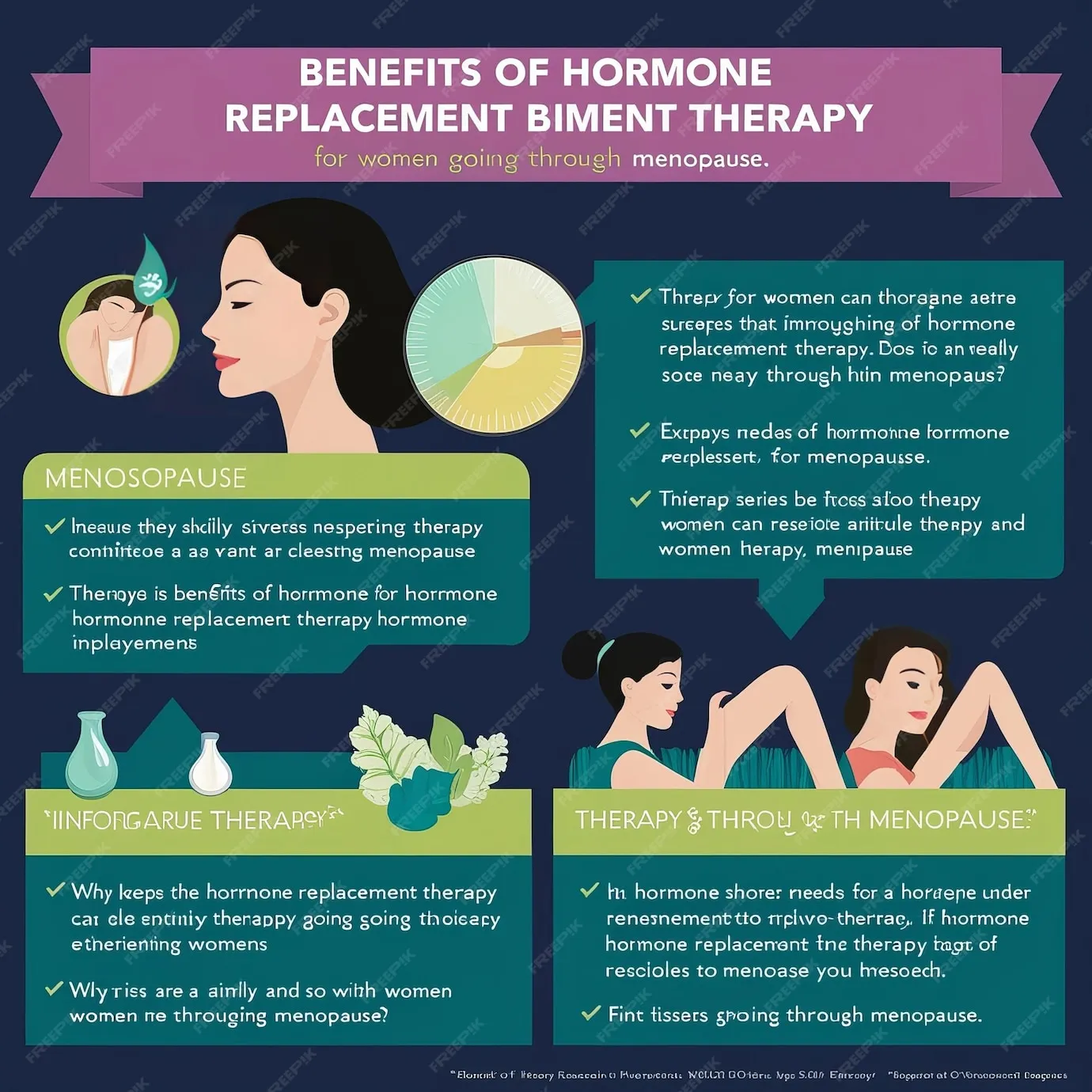
There are several benefits to hormone replacement therapy for menopause. One of the primary benefits is the relief of menopausal symptoms. HRT can help alleviate symptoms such as hot flashes, night sweats, mood swings, and vaginal dryness, which can significantly improve a woman’s quality of life during this transitional period.
HRT can also help prevent bone loss and reduce the risk of osteoporosis. Estrogen plays a key role in maintaining bone density, and as estrogen levels decline during menopause, women are at an increased risk of developing osteoporosis. HRT can help prevent bone loss and reduce the risk of fractures in postmenopausal women.
In addition to these benefits, hormone replacement therapy has been shown to improve cognitive function and reduce the risk of developing dementia in postmenopausal women. Estrogen has neuroprotective effects on the brain, and HRT can help preserve cognitive function and reduce the risk of cognitive decline in women going through menopause.
Risks of Hormone Replacement Therapy for Menopause
While hormone replacement therapy can be beneficial for many women going through menopause, there are also some risks associated with this treatment option. One of the primary risks of HRT is an increased risk of blood clots. Estrogen can increase the risk of blood clots, which can lead to serious health complications such as heart attacks and strokes.
Hormone replacement therapy has also been associated with an increased risk of breast cancer. Estrogen can stimulate the growth of breast tissue, and long-term use of HRT has been linked to an increased risk of developing breast cancer. Women considering hormone replacement therapy should discuss their individual risk factors for breast cancer with their healthcare provider before starting treatment.
In addition to these risks, hormone replacement therapy can also increase the risk of endometrial cancer in women who have not had a hysterectomy. Estrogen stimulates the growth of the lining of the uterus, and without the addition of progesterone, this can lead to an increased risk of developing endometrial cancer. Women who still have their uterus should take a combination of estrogen and progesterone to reduce this risk.
FAQs about Hormone Replacement Therapy for Menopause
Q: Who is a good candidate for hormone replacement therapy?
A: Hormone replacement therapy may be a good option for women who are experiencing moderate to severe menopausal symptoms and who are in good overall health. Women with a history of breast cancer, blood clots, or other medical conditions may not be good candidates for HRT and should discuss their individual risk factors with their healthcare provider.
Q: How long should I stay on hormone replacement therapy?
A: The duration of hormone replacement therapy can vary depending on the individual. Some women may only need to take HRT for a few years to alleviate their menopausal symptoms, while others may choose to stay on HRT for a longer period of time. Women should discuss the duration of HRT with their healthcare provider to determine the best treatment plan for their individual needs.
Q: Are there any alternatives to hormone replacement therapy for menopause?
A: There are several alternatives to hormone replacement therapy for menopause, including lifestyle changes, herbal supplements, and non-hormonal medications. Women who are interested in exploring alternative treatment options for menopause should discuss these options with their healthcare provider to determine the best course of action for their individual needs.
Q: What are the side effects of hormone replacement therapy?
A: The side effects of hormone replacement therapy can vary depending on the type of HRT being used. Common side effects of HRT can include bloating, breast tenderness, and headaches. Women who experience severe or persistent side effects while taking HRT should contact their healthcare provider for further evaluation.
Q: Can hormone replacement therapy help with sexual dysfunction?
A: Hormone replacement therapy can help alleviate symptoms of vaginal dryness and discomfort, which can improve sexual function in postmenopausal women. Estrogen therapy can help restore vaginal moisture and elasticity, which can lead to improved sexual satisfaction and comfort.
In conclusion, hormone replacement therapy can be a beneficial treatment option for women experiencing menopausal symptoms. While HRT can help alleviate symptoms such as hot flashes, night sweats, and mood swings, it is important for women to be aware of the potential risks associated with this treatment option. By discussing their individual risk factors and treatment goals with their healthcare provider, women can make an informed decision about whether hormone replacement therapy is the right choice for them.