Understanding Menopause: Tips for a Smooth Transition
Menopause is a natural biological process that all women go through as they age. It marks the end of a woman’s reproductive years and typically occurs in their late 40s to early 50s. Menopause is a significant milestone in a woman’s life, as it brings about a number of physical and emotional changes. Understanding menopause and how to navigate through this transition period is essential for a woman’s overall well-being. In this article, we will explore the various aspects of menopause, provide tips for a smooth transition, and answer some frequently asked questions about this phase of life.
What is Menopause?
Menopause is defined as the cessation of menstruation for 12 consecutive months. It is a natural process that occurs as a woman’s ovaries gradually produce less estrogen and progesterone, the hormones that regulate the menstrual cycle. As a result, women experience a decline in fertility and eventually stop having periods altogether. Menopause can be divided into three stages:
– Perimenopause: This is the transitional phase leading up to menopause. During perimenopause, women may experience irregular periods, hot flashes, night sweats, mood swings, and other symptoms as their hormone levels fluctuate.
– Menopause: Menopause is officially diagnosed when a woman has gone 12 months without a menstrual period. At this stage, the ovaries have stopped releasing eggs and estrogen levels are significantly reduced.
– Postmenopause: Postmenopause refers to the years following menopause. During this stage, menopausal symptoms may gradually diminish, but women are still at risk for certain health issues related to hormonal changes, such as osteoporosis and heart disease.
Symptoms of Menopause
Menopause is associated with a variety of symptoms, both physical and emotional. Common symptoms of menopause include:
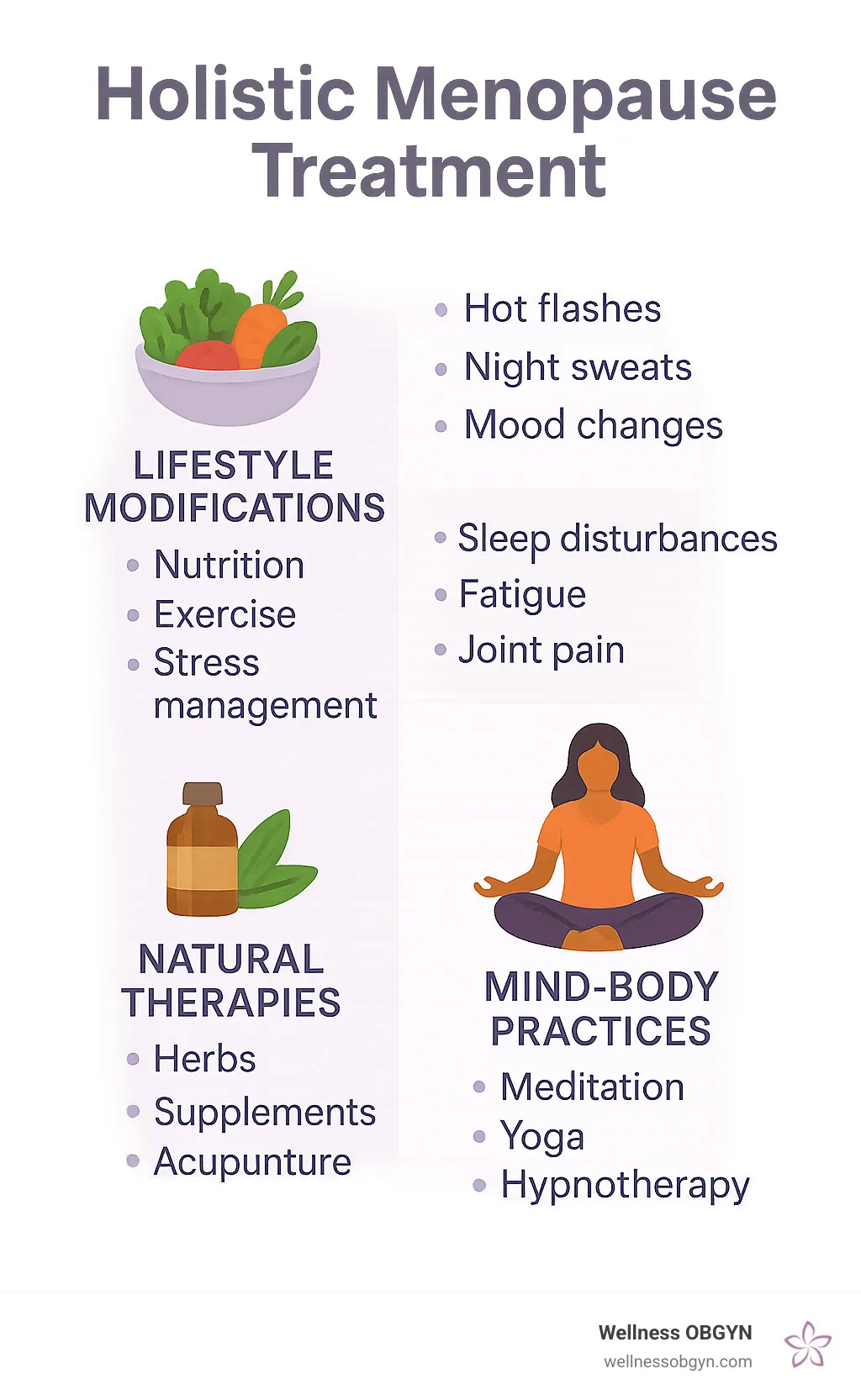
– Hot flashes: Sudden feelings of warmth, often accompanied by flushing and sweating.
– Night sweats: Hot flashes that occur during sleep, leading to excessive sweating and disrupted sleep.
– Irregular periods: Changes in the frequency and duration of menstrual cycles.
– Vaginal dryness: Thinning and drying of the vaginal tissues, leading to discomfort during sex.
– Mood swings: Fluctuations in mood, including irritability, anxiety, and depression.
– Sleep disturbances: Difficulty falling or staying asleep, often due to night sweats or other menopausal symptoms.
– Weight gain: Changes in metabolism and hormonal imbalances can lead to weight gain, particularly around the abdomen.
– Memory problems: Some women may experience cognitive changes, such as forgetfulness or difficulty concentrating.
– Loss of libido: Decreased sex drive and changes in sexual function.
Tips for a Smooth Transition
While menopause is a natural part of the aging process, there are ways to manage its symptoms and make the transition smoother. Here are some tips for navigating through menopause:
1. Stay active: Regular exercise can help reduce menopausal symptoms, improve mood, and maintain overall health. Aim for at least 30 minutes of moderate-intensity exercise most days of the week.
2. Eat a healthy diet: A balanced diet rich in fruits, vegetables, whole grains, and lean proteins can help manage weight, support bone health, and reduce the risk of chronic diseases.
3. Manage stress: Stress can exacerbate menopausal symptoms, so it’s important to find healthy ways to cope. Practice relaxation techniques such as deep breathing, meditation, or yoga.
4. Get enough sleep: Sleep disturbances are common during menopause, but getting adequate rest is essential for overall health. Establish a regular sleep routine and create a comfortable sleep environment.
5. Stay hydrated: Drinking plenty of water can help alleviate hot flashes and flush out toxins from the body.
6. Talk to your healthcare provider: If you are experiencing severe or persistent menopausal symptoms, consult your healthcare provider. They can recommend treatment options, such as hormone therapy or other medications, to help manage your symptoms.
7. Seek support: Menopause can be a challenging time for many women, so it’s important to reach out to friends, family, or support groups for emotional support and guidance.
Frequently Asked Questions about Menopause
Q: What is the average age of menopause?
A: The average age of menopause is around 51, but it can occur anywhere between the late 40s and early 50s.
Q: Can menopause occur earlier or later than the average age?
A: Yes, menopause can occur earlier (before age 40, known as premature menopause) or later (after age 55, known as late menopause) than the average age.
Q: What are the risk factors for early menopause?
A: Risk factors for early menopause include smoking, family history of early menopause, certain medical conditions, and undergoing certain cancer treatments.
Q: How long does menopause last?
A: The transition through menopause can last several years, with symptoms typically improving over time. Postmenopausal symptoms can persist for several years after menopause.
Q: Are there any natural remedies for menopausal symptoms?
A: Some women find relief from menopausal symptoms through natural remedies such as herbal supplements, acupuncture, or yoga. However, it’s important to consult with a healthcare provider before trying any new treatments.
Q: Can menopause affect my risk of certain health conditions?
A: Yes, menopause is associated with an increased risk of osteoporosis, heart disease, and other health conditions. It’s important to maintain a healthy lifestyle and seek regular medical check-ups to monitor your health.
In conclusion, menopause is a natural phase of life that all women will experience as they age. While the symptoms of menopause can be challenging, there are ways to manage them and make the transition smoother. By staying active, eating a healthy diet, managing stress, getting enough sleep, and seeking support, women can navigate through menopause with grace and ease. If you have any concerns or questions about menopause, don’t hesitate to consult your healthcare provider for guidance and support. Remember, menopause is just another chapter in a woman’s life journey, and with the right tools and resources, you can embrace this new phase with confidence and vitality.