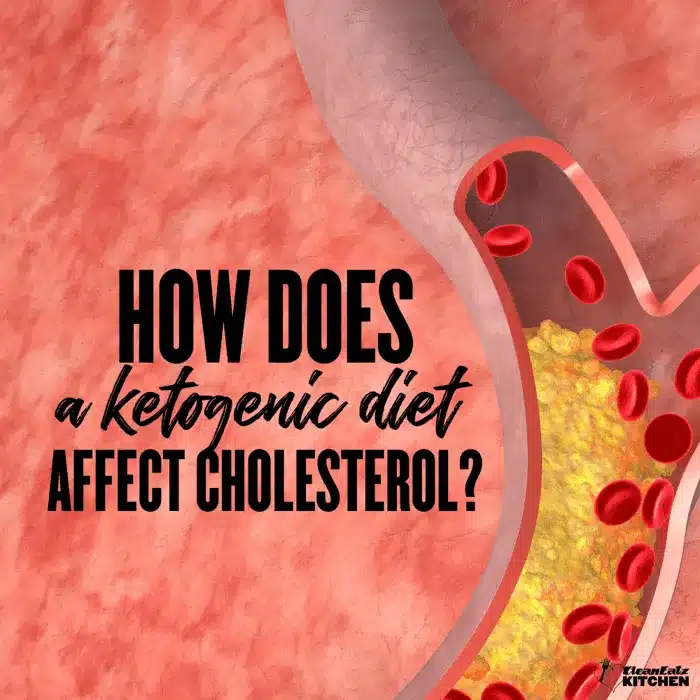
Understanding the Link Between Keto and Cholesterol: Expert Insights
The ketogenic diet, commonly known as the keto diet, has gained significant popularity in recent years due to its potential health benefits, particularly in weight loss and improving metabolic health. However, there has been some concern about the impact of the keto diet on cholesterol levels, with some critics suggesting that it may increase the risk of heart disease. In this article, we will explore the relationship between the keto diet and cholesterol, including expert insights and answers to frequently asked questions.
What is the keto diet?
The ketogenic diet is a high-fat, low-carbohydrate diet that has been shown to be effective in promoting weight loss and improving certain health markers. The primary goal of the keto diet is to induce a state of ketosis, where the body burns fat for fuel instead of carbohydrates. To achieve this, individuals following the keto diet typically consume high amounts of fat, moderate amounts of protein, and very low amounts of carbohydrates.
During ketosis, the liver produces ketones, which are used as fuel by the body and brain. This metabolic state has been associated with numerous health benefits, including weight loss, improved blood sugar control, and reduced inflammation.
Understanding Cholesterol
Cholesterol is a waxy, fat-like substance that is found in every cell of the body. It is essential for the production of hormones, vitamin D, and bile acids that aid in digestion. Cholesterol is also important for the structure of cell membranes and nerve cells.
There are two main types of cholesterol:
1. Low-density lipoprotein (LDL) cholesterol, often referred to as “bad” cholesterol, can build up in the arteries and increase the risk of heart disease.
2. High-density lipoprotein (HDL) cholesterol, known as “good” cholesterol, helps remove LDL cholesterol from the bloodstream and lower the risk of heart disease.
The keto diet and cholesterol
One of the main concerns about the keto diet is its potential impact on cholesterol levels, particularly LDL cholesterol. Since the keto diet is high in saturated fats, some experts have raised concerns that it may increase LDL cholesterol levels and raise the risk of heart disease.
However, recent research has shown that the keto diet can actually improve cholesterol profiles in some individuals. Studies have found that the keto diet can increase HDL cholesterol levels, which is associated with a lower risk of heart disease. Additionally, the keto diet can lower triglyceride levels, another important risk factor for heart disease.
It is important to note that the effects of the keto diet on cholesterol levels can vary from person to person. Some individuals may experience an increase in LDL cholesterol while on the keto diet, while others may see improvements in their cholesterol profiles.
Expert Insights
We spoke to Dr. Sarah Williams, a cardiologist specializing in preventive cardiology, to get her insights on the link between the keto diet and cholesterol.
Dr. Williams explained that the keto diet can have both positive and negative effects on cholesterol levels, depending on individual factors such as genetics, age, and overall health. She emphasized the importance of monitoring cholesterol levels regularly while on the keto diet and working with a healthcare provider to make any necessary adjustments.
Dr. Williams also highlighted the importance of focusing on the quality of fats consumed on the keto diet. She recommended incorporating healthy fats such as avocados, nuts, seeds, and olive oil, while limiting saturated fats from sources like red meat and processed foods.
Overall, Dr. Williams stressed the importance of personalized nutrition recommendations based on individual health goals and risk factors. She recommended consulting with a healthcare provider or registered dietitian before starting the keto diet, especially for individuals with a history of heart disease or high cholesterol.
Frequently Asked Questions
Q: Can the keto diet raise cholesterol levels?
A: The keto diet can have varying effects on cholesterol levels, with some individuals experiencing an increase in LDL cholesterol and others seeing improvements in HDL cholesterol. It is important to monitor cholesterol levels regularly while on the keto diet and consult with a healthcare provider if necessary.
Q: What are the best fats to consume on the keto diet?
A: Healthy fats such as avocados, nuts, seeds, and olive oil are recommended on the keto diet. It is important to limit saturated fats from sources like red meat and processed foods.
Q: How long does it take to see changes in cholesterol levels on the keto diet?
A: Cholesterol levels can change within a few weeks of starting the keto diet, but individual results may vary. It is important to monitor cholesterol levels regularly and consult with a healthcare provider for personalized recommendations.
Q: Is the keto diet safe for individuals with high cholesterol or heart disease?
A: The keto diet may not be suitable for individuals with high cholesterol or heart disease, as it can affect cholesterol levels. It is recommended to consult with a healthcare provider before starting the keto diet, especially for individuals with underlying health conditions.
In conclusion, the link between the keto diet and cholesterol is complex and can vary from person to person. While the keto diet has been shown to have positive effects on cholesterol profiles in some individuals, it is important to monitor cholesterol levels regularly and consult with a healthcare provider for personalized recommendations. By focusing on the quality of fats consumed and working with a healthcare provider, individuals can optimize the potential health benefits of the keto diet while minimizing any negative effects on cholesterol levels.