Understanding Your Body: Why You Crave Certain Foods on Keto
The ketogenic diet has gained immense popularity in recent years for its impressive weight loss results and numerous health benefits. This high-fat, low-carb diet has been shown to help people shed excess pounds, improve insulin sensitivity, and even reduce the risk of certain chronic diseases. However, one common challenge that many people face when following a keto diet is dealing with cravings for certain foods. Understanding why you crave certain foods on keto can help you better navigate these cravings and stay on track with your diet goals.
In this article, we will explore the reasons behind food cravings on the ketogenic diet and provide strategies to help you manage them effectively. We will also address some frequently asked questions about cravings on keto to help you better understand how to stay on course with your dietary goals.
Why Do You Crave Certain Foods on Keto?
1. Nutrient Deficiencies
One reason why you may experience cravings on the ketogenic diet is due to nutrient deficiencies. When you drastically reduce your carbohydrate intake, you may not be getting enough essential vitamins and minerals that are typically found in carbohydrate-rich foods. This can lead to cravings for these foods as your body tries to signal that it is lacking key nutrients.
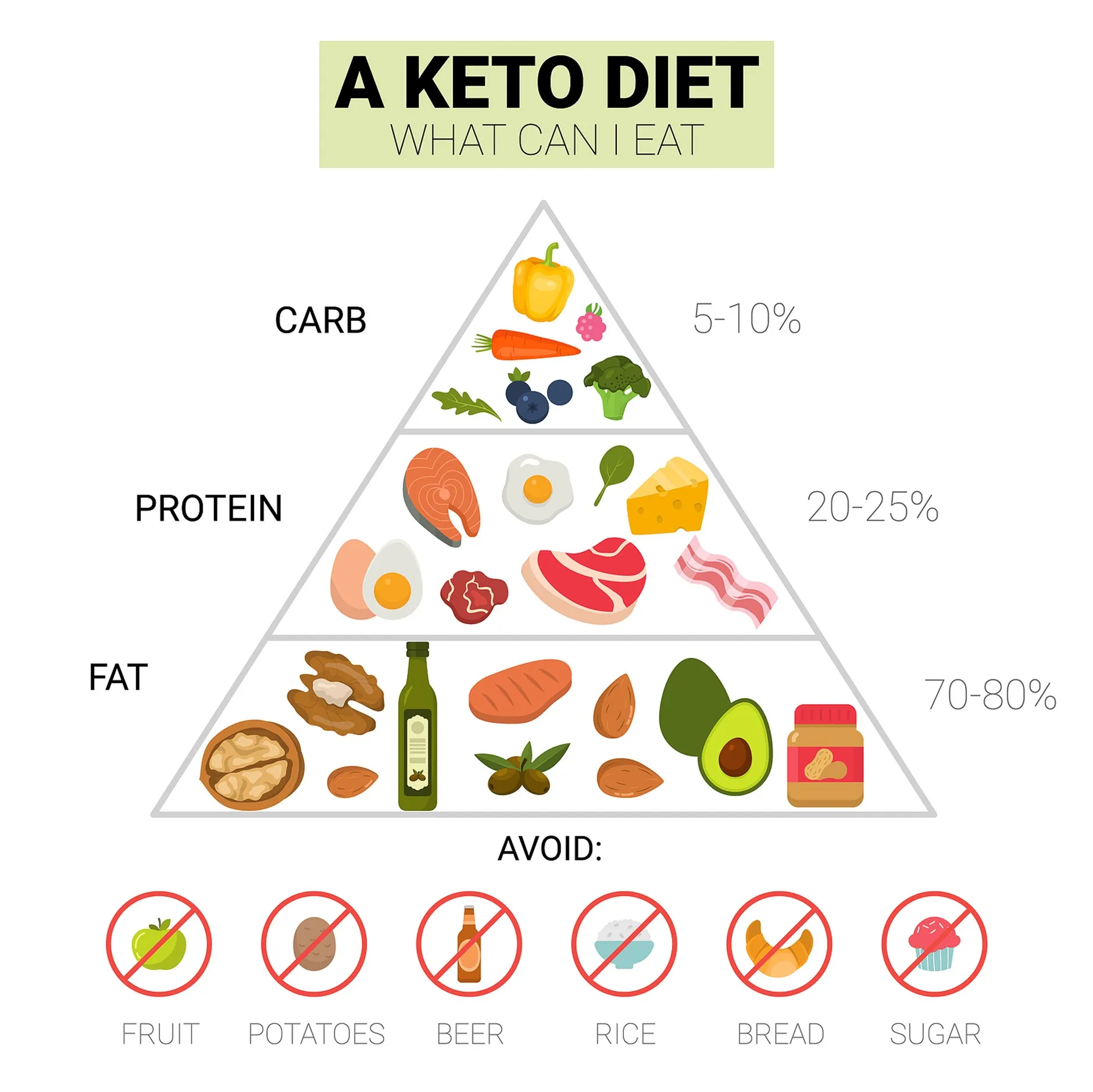
To combat nutrient deficiencies on keto, make sure to include a variety of low-carb, nutrient-dense foods in your diet. This can include leafy greens, nuts and seeds, fatty fish, and avocados, which are all rich in essential vitamins and minerals.
2. Hormonal Imbalance
Another common reason for food cravings on keto is hormonal imbalance. When you drastically reduce your carbohydrate intake, your body may experience fluctuations in hormones such as insulin, leptin, and ghrelin, which can influence your appetite and cravings for certain foods.
To help balance your hormones on keto, focus on consuming healthy fats, moderate protein, and low-carb vegetables. Additionally, incorporating regular physical activity and managing stress levels can help regulate your hormones and reduce cravings.
3. Emotional Eating
Emotional eating is another factor that can contribute to food cravings on the ketogenic diet. Many people turn to food as a way to cope with stress, boredom, or other emotions, which can lead to cravings for comfort foods that are high in carbohydrates.
To address emotional eating on keto, it’s important to develop healthy coping mechanisms for dealing with stress and emotions. This can include practicing mindfulness, engaging in stress-reducing activities such as yoga or meditation, and seeking support from friends, family, or a therapist.
Strategies to Manage Food Cravings on Keto
1. Eat Balanced Meals
One of the most effective ways to manage food cravings on the ketogenic diet is to eat balanced meals that include a variety of nutrient-dense foods. This can help ensure that you are getting essential vitamins and minerals that may be lacking in your diet, which can help reduce cravings for specific foods.
2. Stay Hydrated
Dehydration can often be mistaken for hunger, leading to unnecessary food cravings. Make sure to drink plenty of water throughout the day to stay hydrated and reduce the likelihood of experiencing cravings on keto.
3. Snack Wisely
If you find yourself craving certain foods on keto, opt for healthy, low-carb snacks to satisfy your cravings. This can include nuts and seeds, cheese, olives, or avocado, which can help curb your appetite without derailing your diet.
4. Practice Mindful Eating
Mindful eating involves paying attention to your hunger cues, emotions, and the taste of your food. By practicing mindful eating on keto, you can better understand the reasons behind your cravings and make more conscious choices about what and how much you eat.
5. Get Enough Sleep
Lack of sleep can disrupt your hormones and increase cravings for unhealthy foods. Aim to get at least 7-8 hours of quality sleep each night to help regulate your appetite and reduce cravings on keto.
FAQs About Cravings on Keto
Q: Can I have cheat meals on the ketogenic diet to satisfy my cravings?
A: While occasional cheat meals may be tempting, they can disrupt your ketosis and hinder your progress on the ketogenic diet. Instead of indulging in cheat meals, try to find healthier alternatives to satisfy your cravings on keto.
Q: How long do cravings typically last on the ketogenic diet?
A: Cravings on the ketogenic diet can vary from person to person and may last for a few days to a few weeks as your body adjusts to a low-carb, high-fat diet. By following the strategies mentioned above, you can help manage your cravings and stay on track with your dietary goals.
Q: Are there any supplements that can help reduce cravings on keto?
A: While there are no specific supplements that can eliminate cravings on the ketogenic diet, certain supplements such as magnesium, omega-3 fatty acids, and probiotics may help support your overall health and reduce cravings.
In conclusion, understanding why you crave certain foods on the ketogenic diet can help you better navigate these cravings and stay on track with your dietary goals. By addressing nutrient deficiencies, hormonal imbalance, and emotional eating, and implementing strategies to manage food cravings on keto, you can successfully achieve your weight loss and health goals on a low-carb, high-fat diet. Remember to listen to your body, practice mindful eating, and seek support from friends, family, or a healthcare provider if you need help managing your cravings on keto.