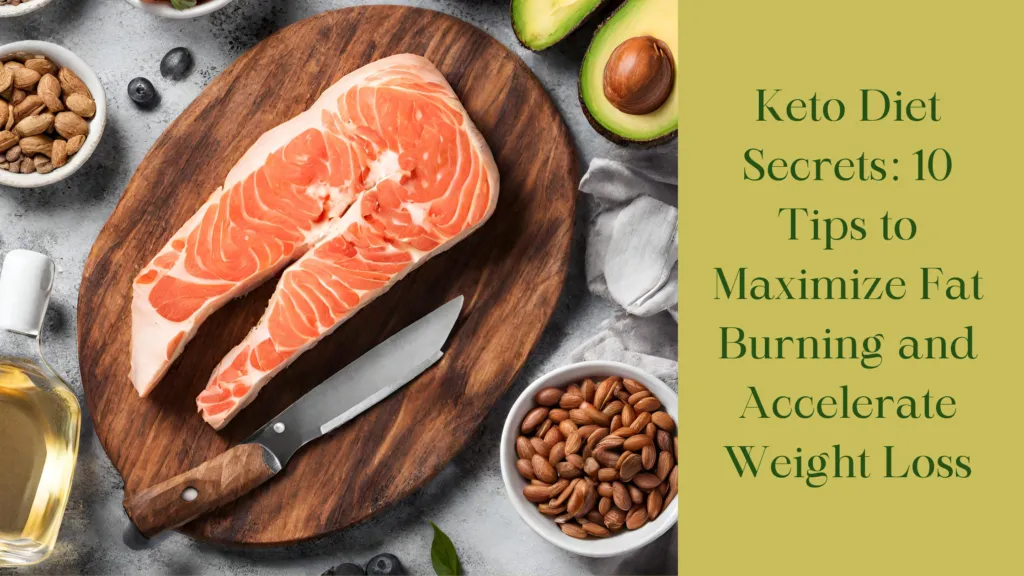
The ketogenic diet has become increasingly popular in recent years for its ability to help individuals achieve weight loss and improve overall health. By following a low-carb, high-fat diet, many people have experienced significant results in terms of weight loss, increased energy levels, and improved mental clarity. However, like any diet or weight loss journey, there are certain tips and tricks that can help maximize your results and ensure long-term success on the keto diet. In this article, we will discuss 10 tips for maximizing your keto weight loss journey and answer some frequently asked questions about the ketogenic diet.
1. Track Your Macros: One of the key principles of the ketogenic diet is to keep your carb intake low and your fat intake high. To ensure that you are staying within the appropriate macro ratios for the keto diet (typically around 70% fat, 25% protein, and 5% carbs), it is important to track your macros using a food tracking app or journal.
2. Stay Hydrated: Proper hydration is crucial on the keto diet, as your body will be shedding excess water weight in the early stages of ketosis. Aim to drink at least 8-10 glasses of water per day to stay hydrated and support your body’s natural detoxification processes.
3. Incorporate Intermittent Fasting: Intermittent fasting can be a powerful tool for accelerating weight loss on the keto diet. By limiting your eating window to a specific timeframe each day (such as 16/8 or 18/6), you can help your body enter a deeper state of ketosis and burn fat more efficiently.
4. Focus on Whole Foods: While it may be tempting to rely on packaged keto-friendly snacks and treats, it is important to prioritize whole, nutrient-dense foods on the keto diet. This means incorporating plenty of leafy greens, low-carb vegetables, healthy fats, and high-quality proteins into your meals.
5. Get Plenty of Sleep: Adequate sleep is essential for weight loss and overall health, as it helps regulate hormones that control hunger and metabolism. Aim for 7-9 hours of quality sleep each night to support your weight loss goals.
6. Incorporate Strength Training: While cardio exercise is beneficial for overall health, incorporating strength training into your routine can help build lean muscle mass and boost your metabolism. Aim to include at least 2-3 days of strength training per week to maximize your weight loss results.
7. Practice Mindful Eating: Mindful eating involves paying attention to your body’s hunger cues and eating slowly to savor each bite. By practicing mindful eating, you can prevent overeating and make healthier food choices that support your weight loss goals.
8. Manage Stress: Chronic stress can hinder weight loss efforts by increasing cortisol levels and promoting fat storage. Incorporate stress-reducing activities such as yoga, meditation, or deep breathing exercises into your daily routine to support your weight loss journey.
9. Stay Consistent: Consistency is key when it comes to achieving long-term weight loss success on the keto diet. Aim to stick to your meal plan, track your macros, and stay active on a daily basis to see the best results.
10. Seek Support: Finally, don’t be afraid to seek support from friends, family, or online communities while on your keto weight loss journey. Having a support system can help keep you motivated and accountable as you work towards your goals.
FAQs about the Ketogenic Diet:
Q: What foods can I eat on the ketogenic diet?
A: Foods allowed on the ketogenic diet include meat, fish, eggs, low-carb vegetables, healthy fats (such as avocado, coconut oil, and olive oil), and some dairy products (such as cheese and cream).
Q: How long does it take to enter ketosis on the keto diet?
A: Most people enter ketosis within 2-7 days of following a strict low-carb, high-fat diet. However, this timeline can vary depending on individual factors such as metabolism, activity level, and carb intake.
Q: Can I drink alcohol on the ketogenic diet?
A: While some forms of alcohol (such as dry wine or spirits) can be consumed in moderation on the keto diet, it is important to be mindful of the carb content and choose low-carb options whenever possible.
Q: What are some common side effects of the ketogenic diet?
A: Some common side effects of the ketogenic diet include fatigue, headache, nausea, and constipation in the initial stages of ketosis. These symptoms typically subside as the body adjusts to burning fat for fuel.
Q: Is the ketogenic diet safe for everyone?
A: While the ketogenic diet can be safe and effective for many individuals, it may not be suitable for everyone. It is important to consult with a healthcare provider before starting the keto diet, especially if you have underlying medical conditions or are pregnant or breastfeeding.
In conclusion, the ketogenic diet can be a powerful tool for achieving weight loss and improving overall health when followed correctly. By incorporating these 10 tips into your keto weight loss journey and addressing common FAQs about the diet, you can set yourself up for long-term success on the keto diet. Remember to listen to your body, stay consistent, and seek support when needed to maximize your results and reach your health and wellness goals.