Keto Diet for Beginners: How It Works, What to Eat & How to Start Safely
This article contains Amazon affiliate links. As an Amazon Associate we earn from qualifying purchases, at no extra cost to you.
The ketogenic (“keto”) diet is one of the most popular ways to eat for weight loss. It swaps most carbohydrates for fat, which pushes your body to burn fat for fuel. It can work, but it is strict, and it isn’t right for everyone. Here is how it works, what to eat, and how to start safely.
How keto works
Normally your body runs mainly on glucose from carbohydrates. On keto you cut carbs to less than 50 grams a day, sometimes as low as 20 grams, according to Harvard T.H. Chan School of Public Health. After about 3 to 4 days, once your stored glucose is used up, insulin levels fall and your body starts burning fat and making ketones for energy. This state is called ketosis.
A typical keto plan gets about 70–80% of calories from fat, 10–20% from protein and just 5–10% from carbohydrates.
Does keto work for weight loss?
In the short term, often yes. Research summarized by Harvard found keto led to slightly more weight loss than low-fat diets, but the difference was small (about 2 pounds at one year), and after a year results were similar to other diets. The best diet is the one you can stick with.
What to eat on keto
Eat freely
- Non-starchy vegetables: leafy greens, broccoli, cauliflower, zucchini, peppers
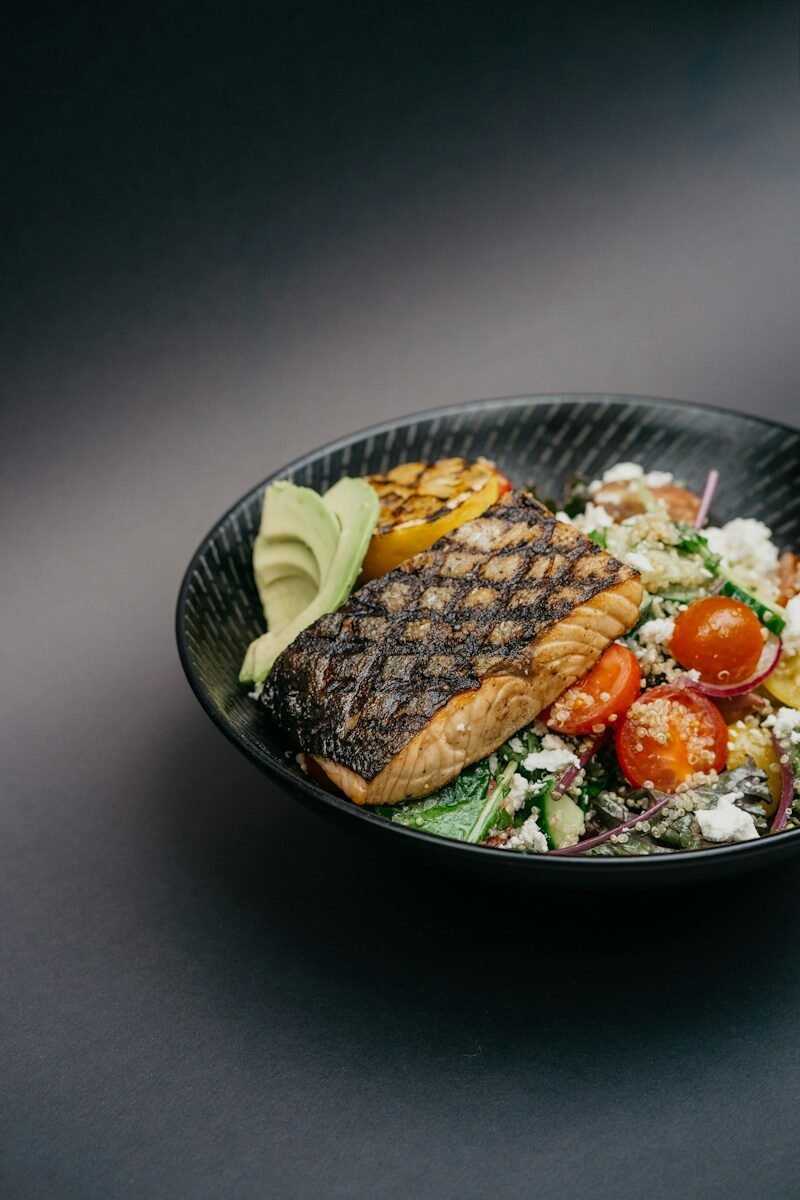
- Fish and seafood, especially salmon and sardines
- Eggs, poultry and meat
- Healthy fats: olive oil, avocado, nuts and seeds
- Plain Greek yogurt and cheese, in moderation
Limit or avoid
- Bread, pasta, rice and cereal
- Sugar, sweets and sugary drinks
- Most fruit (small portions of berries are usually fine)
- Beans and lentils
- Potatoes and other starchy vegetables
- Beer and sweet cocktails
The “keto flu” and other side effects
In the first days to weeks, many people feel hungry, tired, irritable, foggy or constipated, or get headaches. This is often called the keto flu. Drinking plenty of water, getting enough salt and electrolytes, and eating fiber-rich vegetables can help.
Long term, a high intake of saturated fat can raise LDL (“bad”) cholesterol in some people, and cutting out whole grains, beans and fruit can leave you short on fiber and some nutrients. Favoring olive oil, nuts, avocado and fish over butter and processed meats helps.
Who should talk to a doctor first
- People with kidney, liver or pancreas disease
- Anyone taking medicine for diabetes (especially insulin or SGLT2 inhibitors) or blood pressure, since doses may need changing
- People who are pregnant or breastfeeding
- Anyone with a history of eating disorders
- Children and teens
How to start keto: a simple 5-step plan
1. Plan a week of meals. A keto cookbook makes this much easier.
2. Measure carbs for the first few weeks. A digital food scale and a free carb-tracking app help you learn portion sizes.
3. Prep ahead. Cook protein and chop vegetables on the weekend and store them in meal prep containers.
4. Keep easy snacks on hand, like nuts and keto snacks, cheese or hard-boiled eggs.
5. Stay hydrated. A sugar-free electrolyte powder can ease keto-flu symptoms.
Want more? Browse our Keto & Nutrition page for guides and kitchen essentials.
Sources
This article is for information only and is not medical advice. Talk to your doctor before making major changes to your diet. See our Medical Disclaimer.