Gut Health 101: 7 Science-Backed Ways to Support Your Digestion
This article contains Amazon affiliate links. As an Amazon Associate we earn from qualifying purchases, at no extra cost to you.
Your gut does far more than digest food. It is home to trillions of microbes that help break down fiber, make certain vitamins and support your immune system. You can’t control everything about your gut, but everyday choices make a real difference. Here are seven habits backed by research.
7 science-backed ways to support your gut
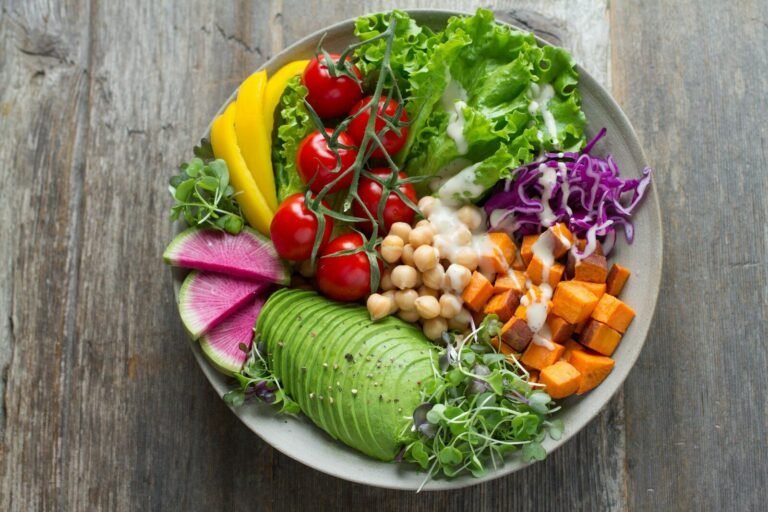
1. Eat more fiber, gradually. Fiber feeds healthy gut bacteria and keeps you regular. The Dietary Guidelines for Americans recommend about 14 grams of fiber for every 1,000 calories you eat, which is roughly 25 to 34 grams a day for most adults. Most people get far less. Add fiber slowly over a few weeks to avoid gas and bloating. Good sources include beans, lentils, oats, berries, pears, broccoli, chia seeds and whole grains. A warm bowl of steel-cut oats is an easy start.
2. Drink enough water. Fiber works best with fluid. Aim to drink water through the day, especially as you add more fiber.
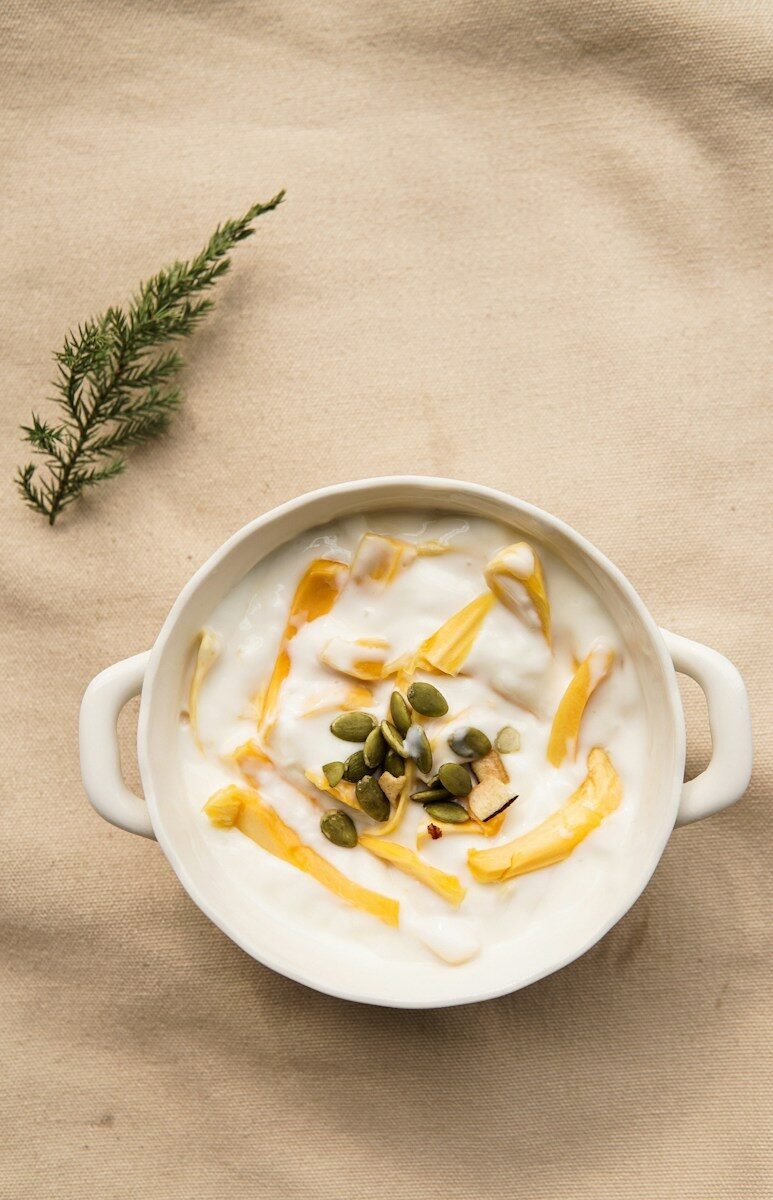
3. Try fermented foods. Yogurt with live cultures, kefir, sauerkraut, kimchi and miso contain live microbes. Many people enjoy making their own with a simple fermentation kit.
4. Be realistic about probiotic supplements. According to the NIH’s National Center for Complementary and Integrative Health (NCCIH), probiotics may help prevent diarrhea caused by antibiotics and may ease some IBS symptoms, but it isn’t clear which strains work best, and products vary in quality. People with weakened immune systems should talk to a doctor first.
5. Move your body. Regular physical activity helps food move through your digestive system. Even a daily walk helps. See our guide to walking for weight loss.
6. Cut back on ultra-processed foods. Foods high in added sugar and refined flour and low in fiber give your gut bacteria little to work with.
7. Look after your liver too. Your gut and liver are closely connected. Our Liver Health 101 guide covers habits that help both.
See a doctor if you notice: blood in your stool, black stools, unexplained weight loss, ongoing belly pain, or a change in bowel habits that lasts more than a few weeks.
Handy tools for a gut-friendly kitchen
- Steel-cut oats for a high-fiber breakfast
- Fermentation jars for homemade sauerkraut and pickles
- Kefir starter for homemade kefir
- High-fiber cookbook for easy recipes
- Reusable water bottle to stay hydrated
Related reading
Sources
- Dietary Guidelines for Americans
- Mayo Clinic: Chart of high-fiber foods
- NCCIH: Probiotics: Usefulness and Safety
This article is for information only and is not medical advice. See our Medical Disclaimer.