Protein for Women Over 40: How Much You Need and the Best Sources
This article contains Amazon affiliate links. As an Amazon Associate we earn from qualifying purchases, at no extra cost to you.
Protein helps you keep muscle, feel full and recover from exercise, all of which matter more after 40. But how much do you actually need, and what are the best sources?
How much protein do you need?
The recommended dietary allowance (RDA) is 0.8 grams of protein per kilogram of body weight per day, or just over 7 grams for every 20 pounds, according to Harvard T.H. Chan School of Public Health. For a 140-pound woman, that’s about 50 grams a day.
The RDA is a minimum to avoid deficiency, not necessarily the ideal amount. Some researchers suggest older adults may benefit from more, around 1.0 to 1.2 grams per kilogram, especially if they are active or trying to preserve muscle. If you have kidney disease, talk to your doctor before increasing protein.
Spread it through the day
Many people eat most of their protein at dinner. Including a protein source at every meal is an easy way to reach your goal and feel fuller between meals.
Best protein sources
Harvard notes that the “package” matters: the fats, fiber and sodium that come with your protein affect your health as much as the protein itself.
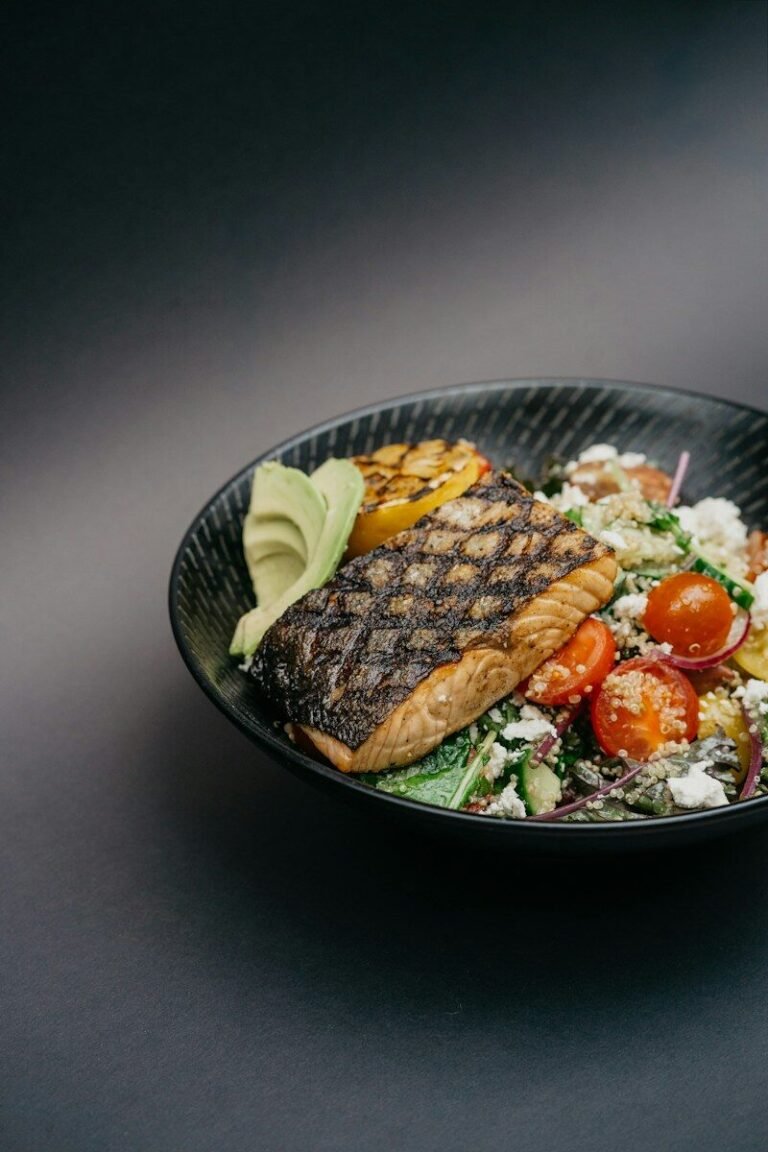
- Fish and seafood: salmon, tuna, shrimp
- Poultry and eggs
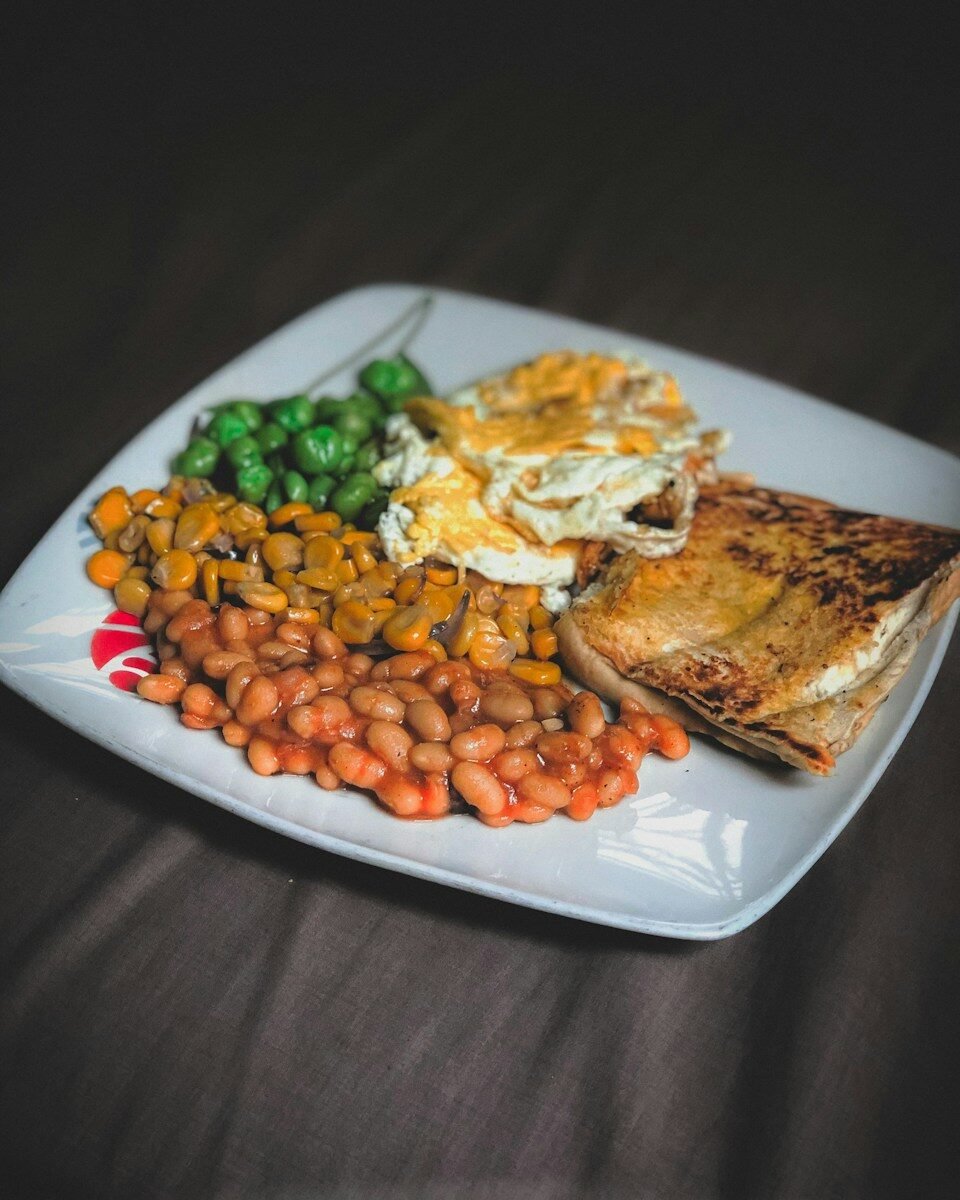
- Beans, lentils and tofu: protein plus fiber
- Greek yogurt and cottage cheese
- Nuts and seeds
- Limit red and processed meats
Easy ways to add protein
- Greek yogurt with berries and nuts for breakfast
- Beans or lentils added to soups and salads
- Hard-boiled eggs as a snack
- A protein powder smoothie after a workout, if food alone is hard
- Batch-cooked chicken or tofu stored in meal prep containers
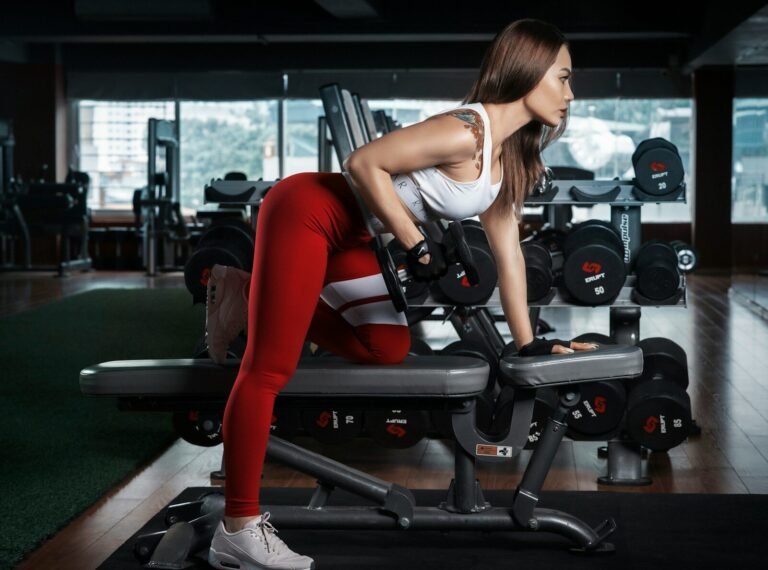
Protein works best alongside strength training. See our beginner routine for over 40.
Related reading
Sources
- Harvard T.H. Chan School of Public Health: Protein
- PROT-AGE Study Group recommendations on protein for older adults (PubMed)
This article is for information only and is not medical advice. See our Medical Disclaimer.