
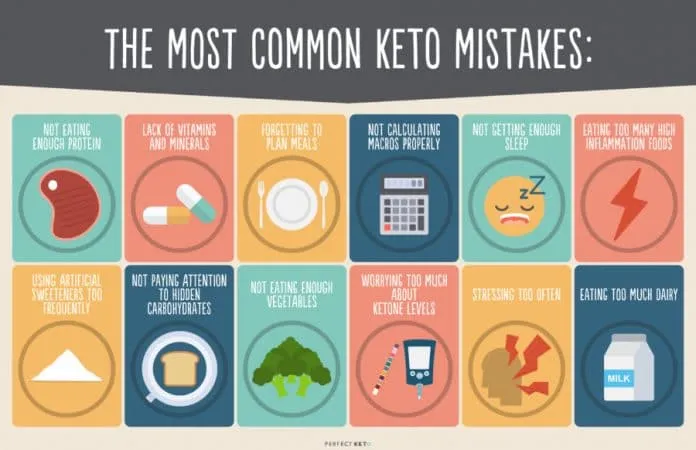
The ketogenic diet, or keto diet, has gained immense popularity in recent years for its potential to help with weight loss, improve overall health, and increase energy levels. This high-fat, low-carb diet focuses on putting the body into a state of ketosis, where it burns fat for fuel instead of carbohydrates. While many people have experienced great success with the keto diet, there are some common pitfalls that can derail progress if not properly addressed. In this article, we will explore some of the most common pitfalls to watch out for on the keto diet, as well as provide tips on how to avoid them.
One of the biggest pitfalls of the keto diet is not consuming enough fat. Many people are used to following low-fat diets, so the concept of eating large amounts of fat can be intimidating. However, fat is a crucial component of the keto diet, as it provides the body with the energy it needs to function properly. Without enough fat in your diet, you may not be able to maintain ketosis and could experience low energy levels and other negative side effects. To avoid this pitfall, make sure to include plenty of healthy fats in your meals, such as avocado, nuts, seeds, olive oil, and fatty cuts of meat.
Another common pitfall of the keto diet is not eating enough vegetables. While the keto diet is focused on limiting carbohydrates, it’s important to remember that not all carbs are created equal. Vegetables are a great source of essential nutrients, fiber, and antioxidants, and can help support overall health and well-being. If you’re not eating enough vegetables on the keto diet, you may be missing out on key nutrients and could experience digestive issues or other health problems. To avoid this pitfall, make sure to include a variety of low-carb vegetables in your meals, such as leafy greens, broccoli, cauliflower, and bell peppers.
One of the most common pitfalls of the keto diet is not staying properly hydrated. When you’re following a low-carb diet, your body will excrete more water and electrolytes, which can lead to dehydration if you’re not drinking enough fluids. Dehydration can cause a host of symptoms, including fatigue, headaches, and muscle cramps, and can make it harder to stick to your keto diet goals. To avoid this pitfall, make sure to drink plenty of water throughout the day and consider adding electrolyte-rich beverages, such as bone broth or electrolyte supplements, to your routine.
Another common pitfall of the keto diet is relying too heavily on processed foods. While the keto diet allows for some convenience foods, such as keto-friendly protein bars or shakes, it’s important to remember that these should be consumed in moderation. Processed foods can be high in unhealthy fats, artificial sweeteners, and preservatives, which can have negative effects on your health and weight loss goals. To avoid this pitfall, focus on eating whole, nutrient-dense foods, such as lean proteins, healthy fats, and low-carb vegetables, and limit your intake of processed snacks and treats.
It’s also important to note that the keto diet may not be suitable for everyone, especially those with certain medical conditions or dietary restrictions. If you have a history of eating disorders, kidney disease, or other health issues, it’s important to consult with a healthcare provider before starting the keto diet. Additionally, if you’re pregnant or breastfeeding, it’s important to speak with a healthcare provider before making any drastic changes to your diet. While the keto diet can be a great tool for weight loss and improved health, it’s important to listen to your body and make adjustments as needed to ensure your long-term success.
In conclusion, the keto diet can be a powerful tool for weight loss and improved health, but there are some common pitfalls to watch out for. By making sure to consume enough fat, eat plenty of vegetables, stay properly hydrated, avoid processed foods, and listen to your body’s needs, you can maximize the benefits of the keto diet and avoid potential roadblocks along the way. Remember to consult with a healthcare provider before starting the keto diet, especially if you have any underlying health conditions or concerns. With the right approach and mindset, the keto diet can help you reach your health and wellness goals and lead to long-term success.
FAQs:
1. Can I drink alcohol on the keto diet?
While some forms of alcohol, such as red wine or spirits, can be consumed in moderation on the keto diet, it’s important to be mindful of the carb content and potential impact on ketosis. Opt for lower-carb options and avoid sugary mixers to stay on track with your keto goals.
2. How can I avoid the keto flu?
The keto flu is a common side effect of transitioning to the keto diet, as your body adapts to burning fat for fuel instead of carbs. To minimize symptoms, make sure to stay properly hydrated, consume enough electrolytes, and gradually decrease your carb intake over time.
3. Is the keto diet safe for long-term use?
While the keto diet can be safe and effective for many people, it’s important to listen to your body and make adjustments as needed. If you’re experiencing negative side effects or health concerns, consider working with a healthcare provider to tailor the keto diet to your individual needs.
4. How can I track my progress on the keto diet?
There are several ways to track your progress on the keto diet, including keeping a food journal, monitoring your weight and measurements, and tracking your ketone levels with urine strips or a blood ketone meter. Find a method that works for you and helps you stay motivated on your keto journey.