The Real Story Behind Keto: Exploring and Exposing Common Myths
The ketogenic diet, or keto diet, has gained immense popularity in recent years as a way to lose weight and improve overall health. However, there are many myths and misconceptions surrounding this diet that can make it confusing for those looking to give it a try. In this article, we will explore the real story behind keto, including what it is, how it works, and common myths that need to be debunked.
What is the keto diet?
The ketogenic diet is a high-fat, low-carbohydrate diet that is designed to put the body into a state of ketosis. Ketosis is a metabolic process in which the body burns stored fat for fuel instead of glucose from carbohydrates. By drastically reducing carbohydrate intake and increasing fat consumption, the body shifts from using glucose as its primary source of energy to using ketones, which are produced by the liver from fat.
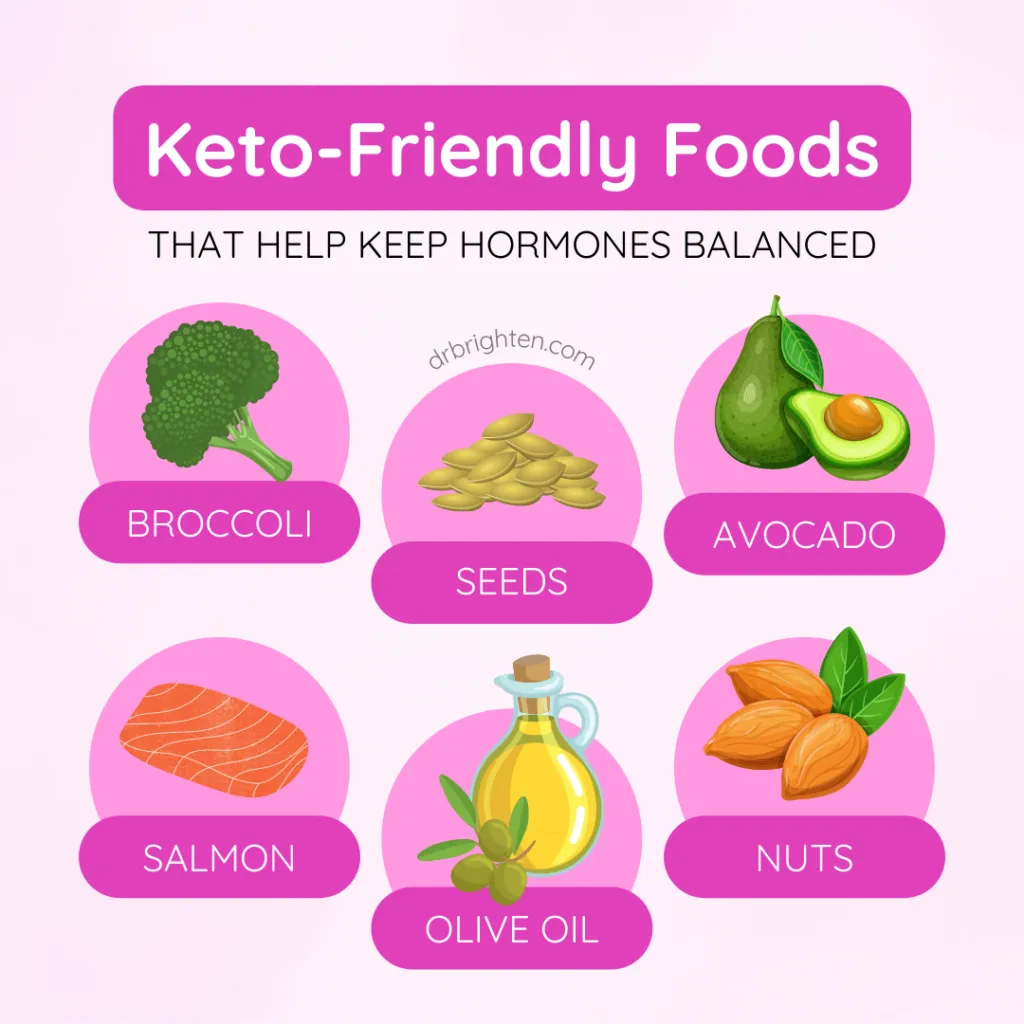
The typical macronutrient breakdown of a ketogenic diet is around 70-75% fat, 20-25% protein, and 5-10% carbohydrates. This means that most of your daily calories will come from fats such as avocados, nuts, seeds, olive oil, and fatty cuts of meat, while limiting your intake of carbohydrates to non-starchy vegetables, berries, and small amounts of low-carb fruits.
How Does the keto diet Work?
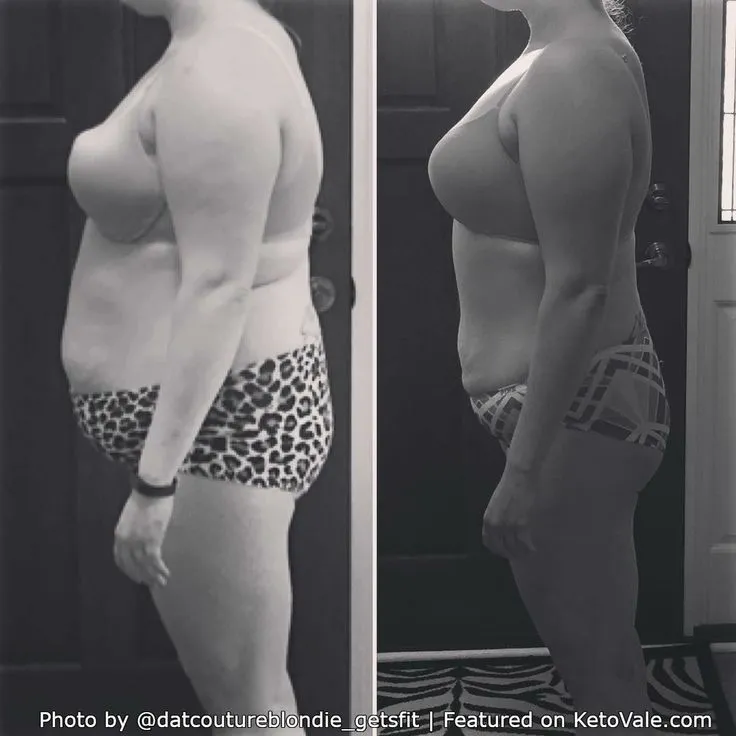
When you drastically reduce your carbohydrate intake, your body is forced to burn stored fat for energy, leading to weight loss. The ketogenic diet has been shown to be effective for weight loss, as well as improving blood sugar control, reducing inflammation, and lowering the risk of chronic diseases such as heart disease and diabetes.
By following a ketogenic diet, you can also experience increased mental clarity, improved energy levels, and reduced cravings for sugary and processed foods. Many people find that they feel more satisfied and full on a ketogenic diet, which can help with long-term weight management.
Common Myths About the keto diet
Despite its popularity, there are many myths and misconceptions surrounding the ketogenic diet that can make it difficult for people to understand how it works and whether it is right for them. Here are some common myths about the keto diet that need to be debunked:
Myth #1: The keto diet is Unhealthy
One of the biggest myths surrounding the ketogenic diet is that it is unhealthy because it is high in fat. However, research has shown that a high-fat, low-carb diet can actually be beneficial for weight loss and overall health. In fact, many studies have shown that the ketogenic diet can help improve blood sugar control, reduce inflammation, and lower the risk of chronic diseases such as heart disease and diabetes.
Myth #2: You Can Eat as Much Fat as You Want on Keto
While the ketogenic diet is high in fat, this does not mean that you can eat unlimited amounts of fatty foods. It is still important to pay attention to portion sizes and choose healthy fats such as avocados, nuts, seeds, and olive oil. Eating too much fat on a ketogenic diet can stall weight loss and lead to other health issues, so it is important to strike a balance between fats, proteins, and carbohydrates.
Myth #3: You Can’t Eat Fruits and Vegetables on Keto
Another common myth about the ketogenic diet is that you cannot eat fruits and vegetables because they are high in carbohydrates. While it is true that some fruits and vegetables are higher in carbs than others, there are still plenty of low-carb options that can be enjoyed on a ketogenic diet. Non-starchy vegetables such as leafy greens, broccoli, cauliflower, and zucchini are all keto-friendly, as well as berries in moderation.
Myth #4: The keto diet is Only for Weight Loss
While many people turn to the ketogenic diet for weight loss, it can also be beneficial for overall health and wellness. The ketogenic diet has been shown to improve blood sugar control, reduce inflammation, and lower the risk of chronic diseases. Many people also report increased mental clarity, improved energy levels, and reduced cravings for sugary and processed foods when following a ketogenic diet.
Myth #5: The keto diet is Too Restrictive
Some people believe that the ketogenic diet is too restrictive because it limits carbohydrate intake. However, there are still plenty of delicious and satisfying foods that can be enjoyed on a ketogenic diet. By focusing on whole, nutrient-dense foods such as avocados, nuts, seeds, fatty cuts of meat, and non-starchy vegetables, you can create a variety of meals and snacks that will keep you satisfied and on track with your health goals.
Frequently Asked Questions About the keto diet
Now that we have explored the real story behind keto and debunked some common myths, let’s address some frequently asked questions about the ketogenic diet:
Q: Is the keto diet Safe for Everyone?
A: The ketogenic diet can be safe for most people, but it is always best to consult with a healthcare provider before making any drastic changes to your diet. People with certain medical conditions such as diabetes, kidney disease, or liver disease may need to make modifications to the ketogenic diet to ensure their safety and health.
Q: How Long Does it Take to Get into Ketosis?
A: The time it takes to get into ketosis can vary from person to person, but most people will enter ketosis within 2-7 days of following a strict ketogenic diet. Some people may experience symptoms such as fatigue, headaches, and irritability during this initial transition period, known as the “keto flu,” but these symptoms typically subside after a week or so.
Q: Can I Drink Alcohol on the keto diet?
A: While alcohol is not recommended on the ketogenic diet because it can stall weight loss and interfere with ketosis, some people choose to enjoy an occasional drink in moderation. Clear liquors such as vodka, gin, and tequila are lower in carbs and may be a better option than sugary cocktails or beer.
Q: What Are Some Common Side Effects of the keto diet?
A: Some common side effects of the ketogenic diet include fatigue, headaches, irritability, constipation, and bad breath. These symptoms are usually temporary and can be managed by staying hydrated, getting enough electrolytes, and ensuring you are eating a balanced diet.
Q: Can I Exercise on the keto diet?
A: Yes, you can exercise on the ketogenic diet. In fact, many people find that they have increased energy levels and improved endurance when following a ketogenic diet. It is important to listen to your body and adjust your exercise routine as needed to ensure you are getting enough fuel and recovery.
In conclusion, the ketogenic diet can be a powerful tool for weight loss and improving overall health when done correctly. By understanding the real story behind keto and debunking common myths, you can make an informed decision about whether the ketogenic diet is right for you. Remember to consult with a healthcare provider before starting any new diet or lifestyle changes to ensure your safety and success.