
The Science Behind Keto and Athletic Performance: What You Need to Know
The ketogenic diet, or keto diet, has gained popularity in recent years for its potential health benefits, including weight loss, improved mental clarity, and better energy levels. But how does the keto diet affect athletic performance? In this article, we will explore the science behind keto and athletic performance, what you need to know about fueling your workouts on a ketogenic diet, and answer some frequently asked questions about keto and exercise.
What is the keto diet?
The ketogenic diet is a high-fat, low-carbohydrate diet that has been used for over a century to treat epilepsy in children. The diet is designed to induce a state of ketosis, where the body burns fat for fuel instead of glucose from carbohydrates.
To achieve ketosis, the keto diet typically consists of 70-80% fat, 20-25% protein, and 5-10% carbohydrates. This macronutrient breakdown is intended to shift the body’s metabolism from relying on glucose for energy to burning fat instead.
How Does the keto diet Impact Athletic Performance?
When it comes to athletic performance, the keto diet has both benefits and potential drawbacks. Here are some key factors to consider:
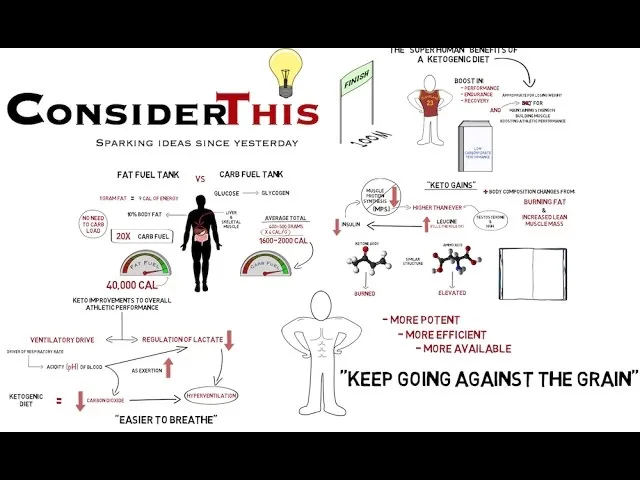
1. Improved Fat Adaptation: One of the main benefits of the keto diet for athletes is improved fat adaptation. By training your body to burn fat for fuel, you can potentially increase your endurance and energy levels during long-duration activities.
2. Reduced Glycogen Dependence: When following a keto diet, your body’s glycogen stores are significantly reduced, as glycogen is the primary source of energy for high-intensity exercise. This can lead to a decrease in performance during activities that require quick bursts of energy, such as sprinting or weightlifting.
3. Potential for Muscle Loss: Some studies suggest that the keto diet may lead to muscle loss, as the body breaks down protein for energy in the absence of carbohydrates. To mitigate this risk, it’s important to consume an adequate amount of protein while following a ketogenic diet.
4. Adaptation Period: It can take time for your body to adapt to burning fat for fuel, especially if you are transitioning from a high-carbohydrate diet. During this adaptation period, you may experience fatigue, brain fog, and decreased performance in the gym.
Fueling Your Workouts on a keto diet
To optimize your athletic performance on a ketogenic diet, it’s important to fuel your workouts effectively. Here are some tips for fueling your workouts on a keto diet:
1. Focus on Healthy Fats: Since fat is the primary source of energy on a keto diet, it’s important to consume healthy fats such as avocados, nuts, seeds, and olive oil. These fats can provide sustained energy for your workouts and help you stay in ketosis.
2. Timing Your Carbohydrates: While carbohydrates are limited on a keto diet, you can strategically consume them before or after your workouts to replenish glycogen stores and support muscle recovery. Consider incorporating low-carb sources of carbohydrates such as sweet potatoes, berries, or quinoa.
3. Stay Hydrated: Proper hydration is essential for athletic performance, especially on a ketogenic diet. Make sure to drink plenty of water throughout the day and consider adding electrolytes to your water to prevent dehydration.
4. Monitor Your Protein Intake: To prevent muscle loss on a keto diet, it’s important to consume an adequate amount of protein. Aim for 1.2-2.0 grams of protein per kilogram of body weight per day to support muscle recovery and growth.
Frequently Asked Questions About Keto and Exercise
1. Can I Build Muscle on a keto diet?
Yes, it is possible to build muscle on a keto diet, but it may require some adjustments to your macronutrient intake. To support muscle growth, make sure to consume enough protein and consider cycling in higher-carbohydrate days to replenish glycogen stores.
2. What Should I Eat Before a Workout on a keto diet?
Before a workout on a keto diet, consider consuming a small meal or snack that includes protein and healthy fats. Some options include a handful of nuts, a protein shake, or avocado toast on low-carb bread.
3. How Long Does It Take to Adapt to a keto diet for Exercise?
It can take 2-4 weeks for your body to fully adapt to a keto diet for exercise. During this adaptation period, you may experience changes in energy levels, performance, and recovery. Be patient and listen to your body as you adjust to this new way of eating.
4. Can I Do High-Intensity Exercise on a keto diet?
While high-intensity exercise may be challenging on a keto diet due to reduced glycogen stores, it is still possible to perform these activities with proper fueling and supplementation. Consider consuming a small amount of carbohydrates before a high-intensity workout to support performance.
In conclusion, the keto diet can have both benefits and drawbacks for athletic performance. By understanding the science behind keto and exercise, fueling your workouts effectively, and addressing common questions about keto and exercise, you can optimize your performance while following a ketogenic diet. Remember to listen to your body, experiment with different strategies, and consult with a healthcare professional or nutritionist if needed to ensure that you are meeting your individual needs and goals.