The Sleepy Girl Mocktail: Does It Really Help You Sleep?
Disclosure: As an Amazon Associate we earn from qualifying purchases made through links in this article, at no extra cost to you. Learn more
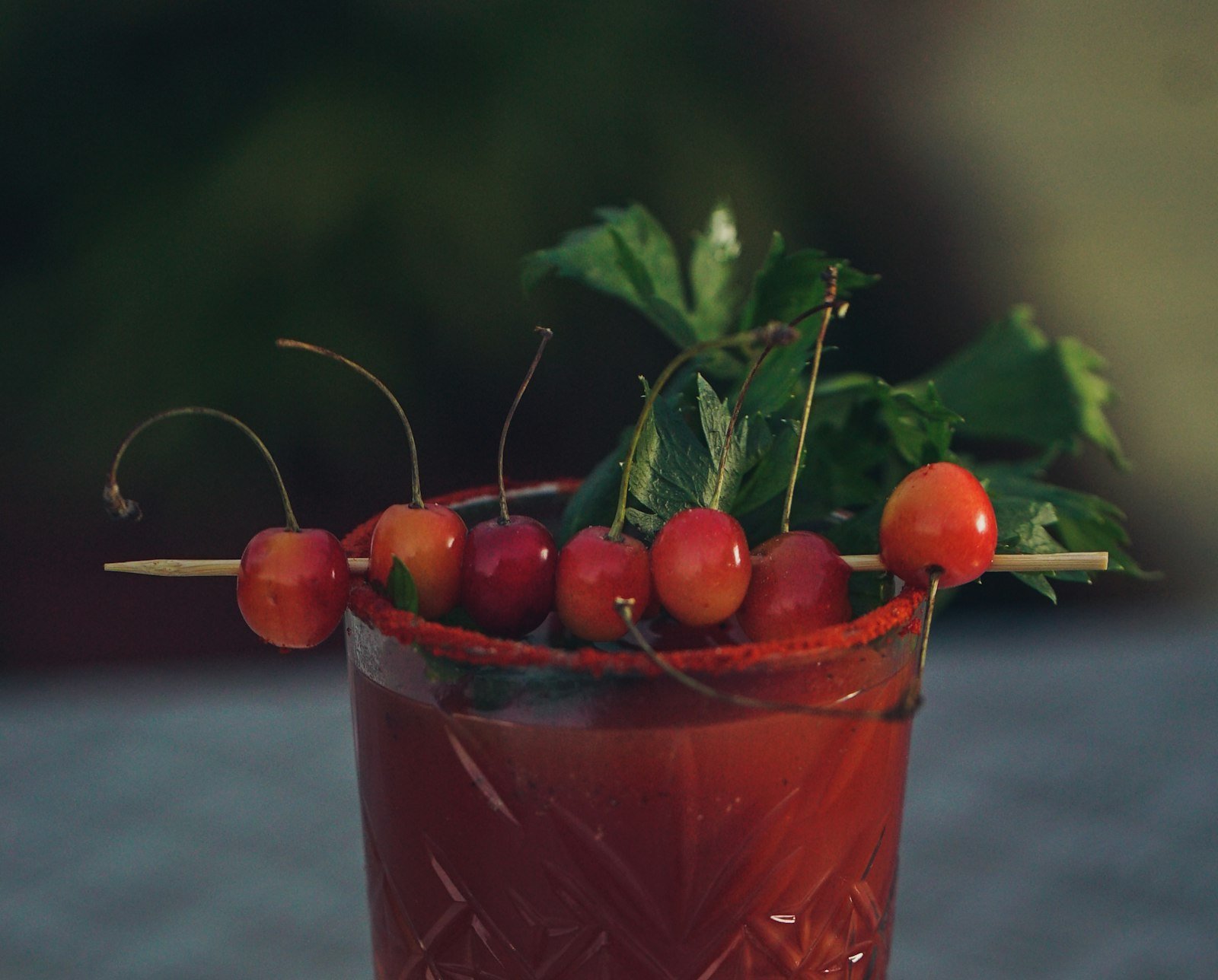
The “sleepy girl mocktail” went viral as a bedtime drink that’s supposed to help you fall asleep: tart cherry juice, magnesium powder and sparkling water. Does it actually work? Here’s the recipe, what the research says about each ingredient, and who should skip it.
The sleepy girl mocktail recipe
- ½ cup (4 oz) tart cherry juice: unsweetened, 100% juice
- 1 serving of magnesium powder: magnesium glycinate is the most popular choice, following the label dose
- Sparkling water or a low-sugar prebiotic soda to top it up
- Ice, and a squeeze of lime if you like
Stir until the powder dissolves and sip it 30–60 minutes before bed.
Does tart cherry juice help you sleep?
Tart (Montmorency) cherries naturally contain small amounts of melatonin, the hormone that signals your body it’s time to sleep, along with antioxidant plant compounds.
A few small studies are encouraging. In a 2012 study of 20 healthy adults, a week of tart cherry juice concentrate raised melatonin levels and modestly improved total sleep time compared with a placebo drink. A small pilot study in older adults with insomnia also found longer sleep time. But these studies were small and short, so tart cherry juice is best seen as a possible gentle helper, not a sleep aid.
Does magnesium help you sleep?
Magnesium helps regulate nerves and muscles, and low levels have been linked to poorer sleep. A 2021 review of trials in older adults found only low-quality evidence that magnesium supplements improve sleep. It may help most if your diet is low in magnesium. Food sources include pumpkin seeds, almonds, spinach, black beans and whole grains.
For adults, the upper limit for magnesium from supplements is 350 mg a day. Higher doses commonly cause diarrhea and stomach cramps. Magnesium glycinate tends to be gentler on the stomach than citrate or oxide.
Honest verdict: the sleepy girl mocktail is a pleasant, mostly low-risk bedtime ritual, and part of its benefit may simply be a calming wind-down routine. It won’t fix ongoing insomnia. If you regularly struggle to sleep for more than a few weeks, talk to your doctor.
Who should skip it or ask a doctor first
- Kidney disease: your body may not clear extra magnesium properly.
- Medications: magnesium can interfere with some antibiotics (tetracyclines and quinolones), osteoporosis drugs (bisphosphonates) and some diuretics. Ask your pharmacist about timing.
- Diabetes or blood sugar concerns: tart cherry juice contains natural sugar. Keep to a small glass and choose unsweetened.
- Pregnant or breastfeeding: check with your doctor before adding supplements.
Other habits that help you sleep
- Keep the same bedtime and wake time, even on weekends.
- Cut caffeine after early afternoon.
- Dim screens and lights for the last hour before bed.
- Keep your bedroom cool, dark and quiet. A sleep mask helps if you can’t block all light.
- Get daylight and some movement during the day. Even a 30-minute interval walk helps.
What to buy
- Unsweetened tart cherry juice (or concentrate, diluted per the label)
- Magnesium glycinate powder. Look for third-party testing (USP or NSF) on the label.
Amazon links go to search results so you can compare current options; product photos aren’t shown. These statements have not been evaluated by the Food and Drug Administration. Supplements are not intended to diagnose, treat, cure or prevent any disease.
Related reading
- Perimenopause symptoms: what’s normal
- How to keep your brain sharp
- Japanese walking: the 30-minute interval walk
- Supplements hub
Sources
- NIH Office of Dietary Supplements: Magnesium fact sheet
- Howatson G, et al. Effect of tart cherry juice (Prunus cerasus) on melatonin levels and enhanced sleep quality. Eur J Nutr. 2012
- Losso JN, et al. Pilot study of tart cherry juice for the treatment of insomnia. Am J Ther. 2018
- Mah J, Pitre T. Oral magnesium supplementation for insomnia in older adults: a systematic review and meta-analysis. BMC Complement Med Ther. 2021
- CDC: Sleep
This article is for general information only and isn’t medical advice. See our medical disclaimer.